Desiccant Breathers
For Hydraulic Systems,
Gearboxes & Storage Tanks
Protect critical equipment from moisture ingress and particulate contamination with industry-leading Des-Case desiccant breathers. Designed for hydraulic reservoirs, gearboxes, storage tanks and industrial equipment, Des-Case breathers help extend lubricant life, improve equipment reliability and reduce maintenance costs.
✓ Remove moisture from incoming air
✓ Prevent particulate contamination
✓ Extend lubricant and equipment life
✓ Suitable for hydraulic, gearbox and tank applications
Why Choose Des-Case Breathers?
Desiccant breathers help protect hydraulic reservoirs, gearboxes, storage tanks and industrial equipment from moisture ingress and airborne contamination. The Des-Case range includes Standard, VentGuard® and Extended Series breathers, providing reliable contamination control for everything from general industrial equipment to critical hydraulic and lubrication systems.
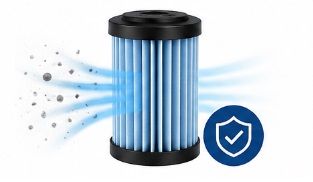
Advanced Particle Filtration
Integrated filtration helps prevent airborne contaminants from entering reservoirs, gearboxes and storage tanks.
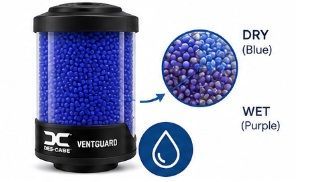
Effective Moisture Removal
Colour-changing silica gel removes moisture from incoming air before it reaches sensitive lubricants and equipment.
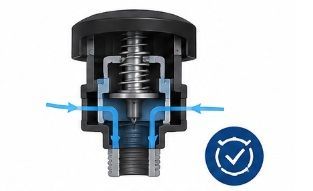
Extended Service Life
VentGuard models use check-valve technology to reduce unnecessary airflow and maximise desiccant life.

Longer Lubricant Life
Cleaner and drier operating conditions help reduce oil degradation and extend lubricant service intervals.

Reduced Maintenance
Preventing contamination at the source can help reduce downtime, oil changes and maintenance interventions.

Proven Industrial Performance
Used globally across manufacturing, power generation, mining, marine and process industries.
Compare Des-Case Breather Ranges
All Des-Case breathers protect against moisture ingress and particulate contamination, but different applications require different levels of protection. Compare the key features below to identify the most suitable solution for your equipment.
Standard Series
General PurposeVentGuard® Series
Advanced ProtectionExtended Series
Maximum CapacityHow Desiccant Breathers Work
Every time a reservoir, gearbox or storage tank breathes, airborne moisture and contaminants can enter the system. Des-Case breathers remove harmful particles and moisture before they reach your lubricants.
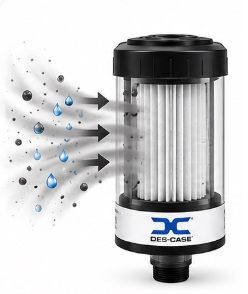
Step 1
Contaminated Air Enters
As fluid levels change, equipment draws in outside air containing moisture, dust and airborne contaminants.
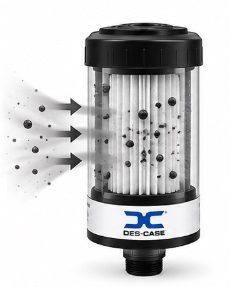
Step 2
Particles Are Captured
High-efficiency filtration removes airborne particles before they can enter the lubricant reservoir.
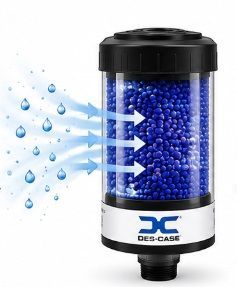
Step 3
Moisture is Removed
The silica gel absorbs water vapour from incoming air, helping maintain dry operating conditions.
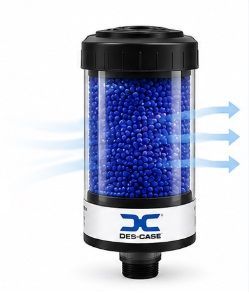
Step 4
Clean Dry Air Enters
Only clean, dry air enters the equipment, helping protect lubricants and extended equipment life.
Which Des-Case Breather do I need
Start by identifying the equipment you want to protect. Then select the most suitable breather range for your environment.
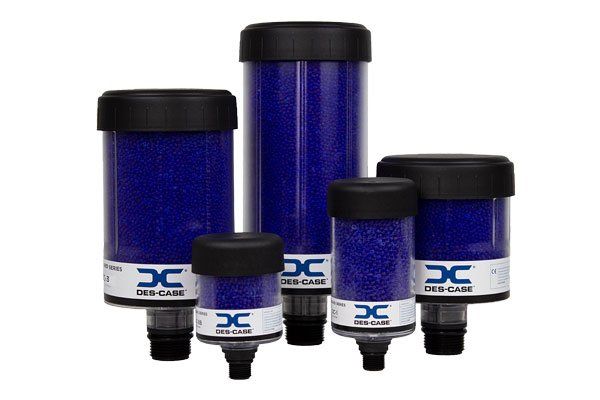
Standard Series
Recommended for most hydraulic reservoirs, gearboxes and storage tanks operating in normal industrial environments.
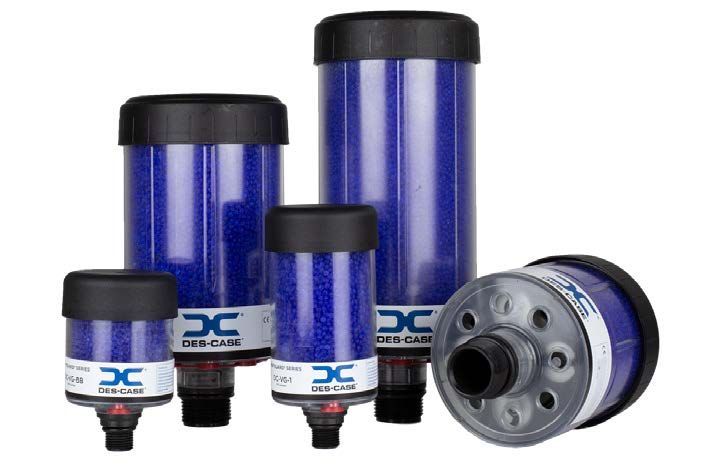
VentGuard Series
Ideal for high humidity, washdown areas, intermittent operation and environments where moisture ingress is a significant concern.
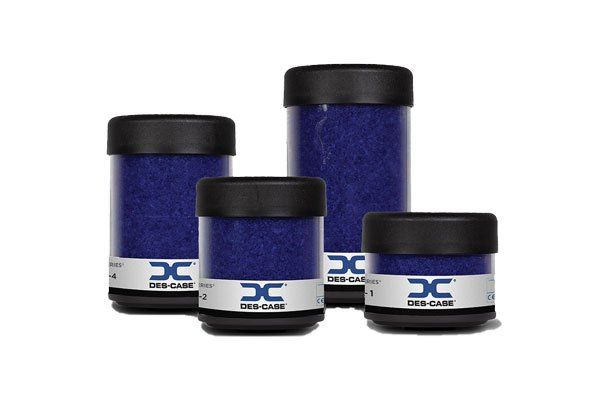
Extended Series
Best suited to large reservoirs, bulk storage tanks, remote installations and applications requiring extended service life.
Frequently Asked Questions About Desiccant Breathers
Find answers to common questions about selecting, installing and maintaining desiccant breathers for hydraulic reservoirs, gearboxes and storage tanks.
What does a desiccant breather do?
A desiccant breather removes moisture and airborne particulate contamination from incoming air before it enters a hydraulic reservoir, gearbox, storage tank or lubricated system. This helps reduce lubricant degradation, corrosion and premature component wear.
Why are desiccant breathers used on hydraulic reservoirs?
Hydraulic reservoirs continuously draw air in and out as fluid levels change during operation. A desiccant breather prevents moisture and contaminants entering the system, helping maintain oil cleanliness and improve equipment reliability.
Can desiccant breathers be used on gearboxes?
Yes. Industrial gearboxes experience thermal breathing as temperatures rise and fall. Desiccant breathers help protect gearbox lubricants by removing moisture and airborne particles before they enter the housing.
How do I choose the correct desiccant breather?
Breather selection depends on reservoir size, airflow requirements, environmental conditions and maintenance intervals. Des-Case Standard, VentGuard® and Extended Series breathers are designed for different applications and contamination control requirements.
What is the difference between Standard, VentGuard® and Extended Series breathers?
Standard Series breathers provide cost-effective contamination control for general industrial applications. VentGuard® breathers feature check-valve technology to reduce airflow and extend service life, while Extended Series breathers offer increased desiccant capacity for large tanks and remote assets.
How often should a desiccant breather be replaced?
Replacement frequency depends on humidity levels, operating conditions and airflow volume. Most Des-Case breathers use colour-changing silica gel that provides a visual indication when replacement is required.
Can desiccant breathers extend lubricant life?
Yes. By preventing moisture ingress and particulate contamination, desiccant breathers help reduce oxidation, corrosion and lubricant degradation, often extending oil service life and reducing maintenance costs.
Are desiccant breathers suitable for storage tanks?
Yes. Desiccant breathers are commonly used on lubricant storage tanks, bulk oil tanks and process fluid reservoirs to prevent moisture contamination during normal tank breathing and filling operations.