FLUID ANALYSIS & CONDITION MONITORING
Oil, Fuel & Fluid Analysis
Understand the condition of your oil, fuel and critical fluids before problems become expensive failures.
FA-ST provides laboratory and on-site fluid analysis to help identify contamination, wear, fluid degradation and other changes that can affect equipment performance and reliability.
CHOOSE YOUR ANALYSIS
What would you like to analyse?
Select the fluid or application you need to investigate and we'll take you to the most appropriate analysis options.
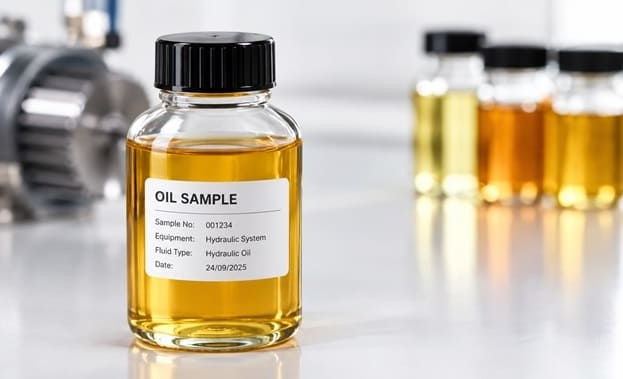
Oil Analysis
Monitor lubricant condition, contamination and equipment wear across engines, hydraulic systems, gearboxes, turbines and other critical applications.
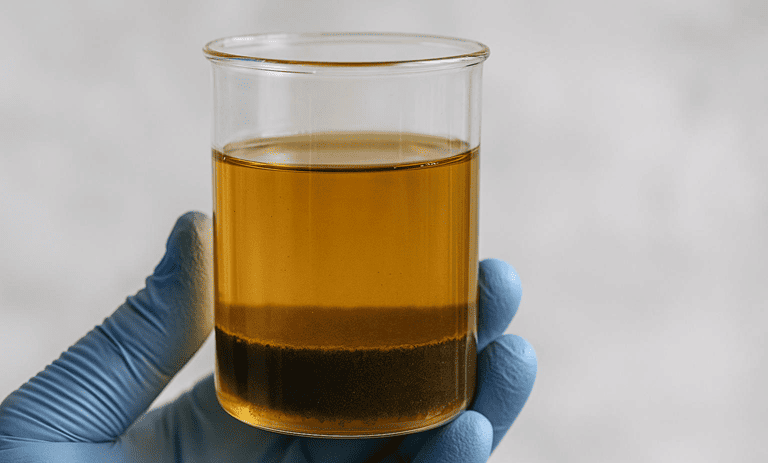
Diesel & Fuel Analysis
Assess diesel and other fuels for contamination, degradation, water, microbial activity and other factors that can affect fuel quality and equipment performance.
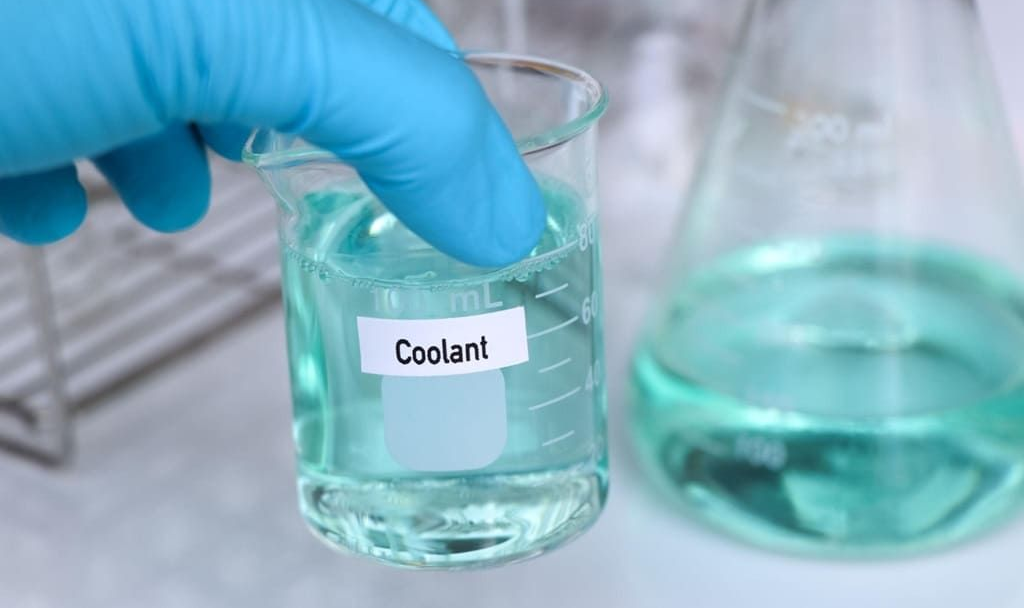
Coolant Analysis
Assess coolant condition and identify contamination or changes that may affect cooling-system performance and equipment reliability.

Transformer Oil Analysis
Analyse transformer oil to help assess oil condition and identify indicators associated with developing transformer problems.
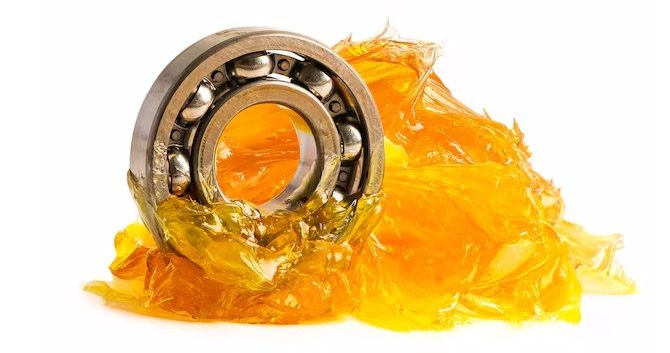
Grease Analysis
Analyse grease for contamination, wear and changes in chemical condition to help investigate lubrication and equipment problems.
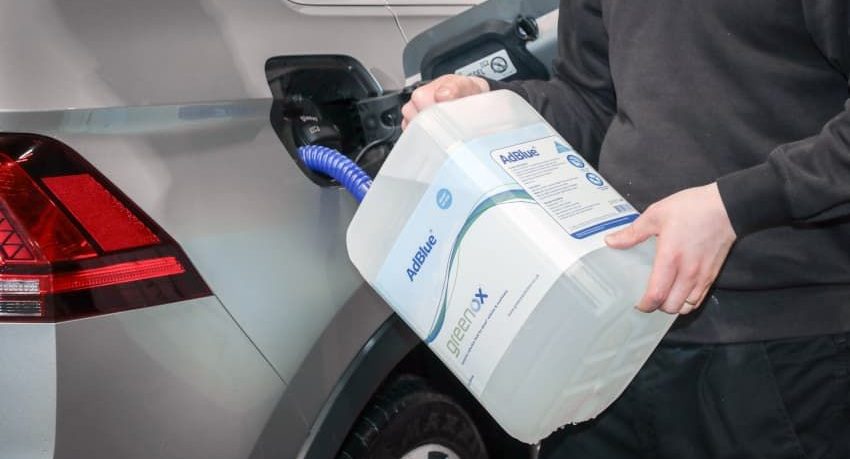
AdBlue Analysis
Check AdBlue quality and key characteristics to help identify quality issues that could affect SCR systems and vehicle or equipment operation.
Not sure which analysis you need?
Tell us what fluid you're using, what equipment it comes from and what you're trying to investigate. Our team can help you identify the most appropriate testing option.
OIL ANALYSIS
Understand what your oil is telling you
Oil analysis provides valuable information about both the condition of the lubricant and what is happening inside the equipment using it.
Regular analysis can help identify contamination, wear and changes in lubricant condition, providing an early indication of developing problems and supporting condition-based maintenance.
Contamination
Identify contaminants that can affect fluid performance and equipment reliability.
Wear
Monitor wear debris and other indicators that may point towards developing component problems.
Fluid Condition
Assess changes in the lubricant that may indicate degradation or loss of performance.
Early Warning
Identify changes over time that may warrant further investigation before they develop into major failures.
CHOOSE YOUR APPLICATION
Oil analysis for different applications
The right analysis depends on the equipment, lubricant and operating conditions. Select your application to find the most appropriate analysis.
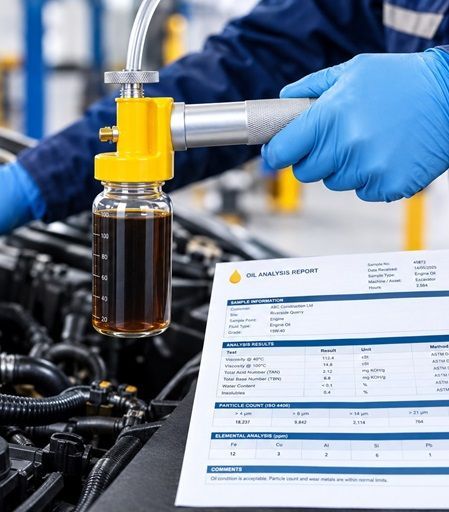
Engine Oil Analysis
Monitor engine oil condition and look for indicators of wear, contamination and lubricant degradation.
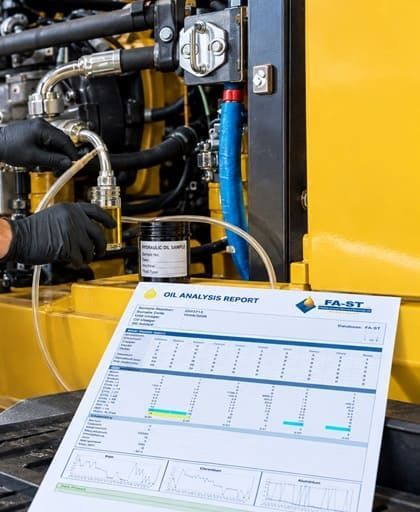
Hydraulic Oil Analysis
Monitor hydraulic fluid condition and identify contamination, wear and degradation that could affect pumps, valves and other hydraulic components.
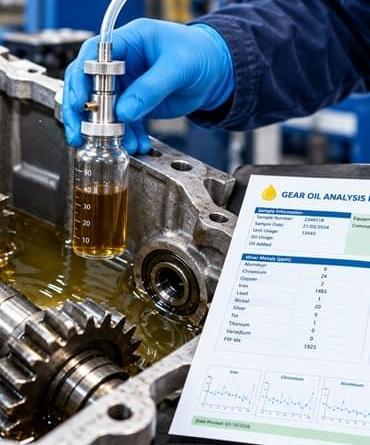
Gear Oil Analysis
Analyse gear oils to help identify wear, contamination and changes in lubricant condition within gearboxes and drive systems.
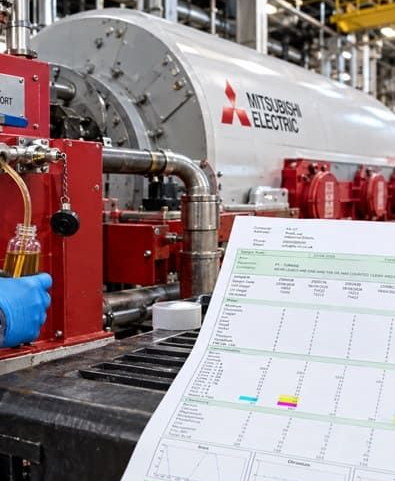
Turbine Oil Analysis
Monitor turbine lubricant condition and identify changes that may affect critical turbine components and system reliability.
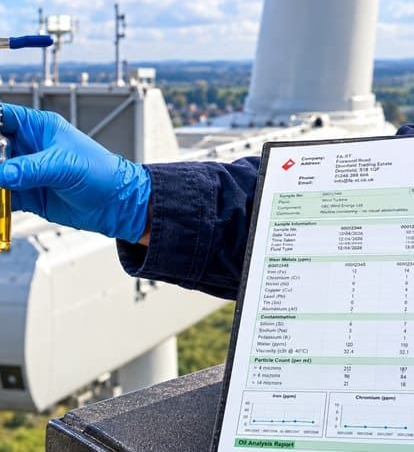
Wind Turbine Oil Analysis
Support condition monitoring of wind turbine lubrication systems through regular oil analysis.
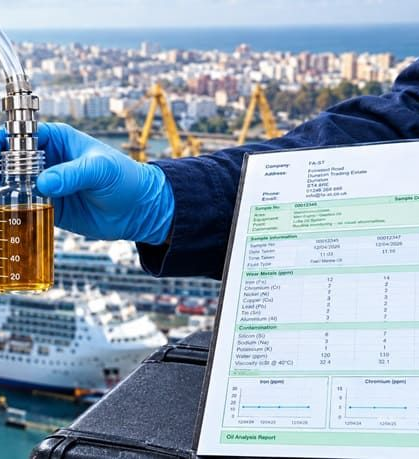
Marine Oil Analysis
Analyse marine lubricants to help monitor engine and machinery condition and identify developing problems.
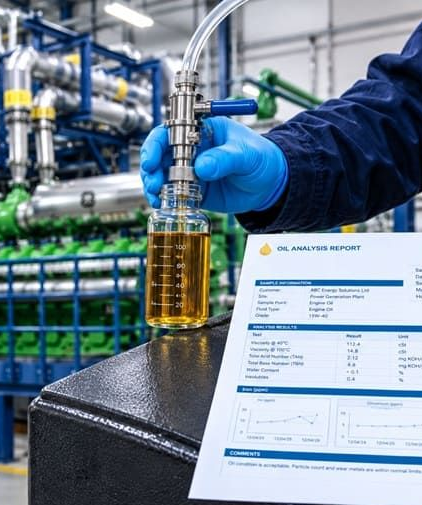
Gas Engine Oil Analysis
Monitor gas engine lubricant condition and identify wear, contamination and oil degradation.
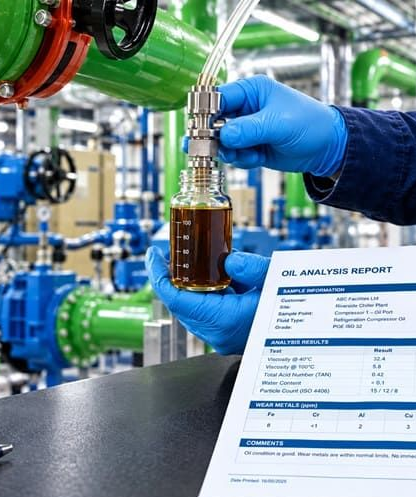
Chiller Oil Analysis
Assess chiller oil condition to help identify lubricant degradation, contamination and potential system issues.
Not sure which oil analysis is right for your equipment?
Explore our complete oil analysis range or speak to the FA-ST team for help selecting the most appropriate test.
WHAT CAN ANALYSIS REVEAL?
Find out what is happening inside your equipment
Fluid analysis can reveal changes that may not be visible during routine inspections. By examining the condition of the fluid and the materials it contains, analysis can help identify developing problems and support better maintenance decisions.
Contamination
Identify water, dirt, particles, fuel dilution and other contaminants that can affect fluid performance and accelerate equipment wear.
Wear & Particles
Detect evidence of component wear and investigate the type, quantity and characteristics of particles present in the fluid.
Fluid Degradation
Assess changes in the condition of oils and other fluids caused by oxidation, ageing, thermal stress, chemical changes or continued service.
Early Warning Signs
Identify abnormal trends before they develop into more serious equipment problems, helping you plan maintenance around actual condition rather than fixed intervals.
The right analysis depends on the application
Different equipment and fluids require different tests. FA-ST can help determine which analysis is appropriate for your application, from routine condition monitoring through to specialist particle and failure analysis.
FUEL ANALYSIS
Fuel analysis for quality, contamination and reliability
Fuel problems can affect engine performance, reliability and operating costs. Laboratory fuel analysis can help identify contamination, degradation, water, microbial activity and other factors that may affect fuel quality.
DIESEL FUEL ANALYSIS
Check the condition of your diesel fuel
Diesel fuel analysis provides a clearer picture of fuel quality and potential contamination. Testing can help identify issues such as water, sediment, microbial contamination and changes in fuel properties before they contribute to equipment problems.
FA-ST offers standard and premium diesel fuel analysis options, including solutions for marine applications.
Fuel Quality
Assess key fuel properties and identify changes that may affect performance.
Water & Contamination
Identify water, particles and other contaminants that can affect fuel systems.
Microbial Activity
Investigate fuel contamination associated with bacteria, mould and fungal growth.
Marine Fuel
Analysis options are available for marine diesel and fuel-system applications.
OTHER FUEL & FLUID TESTING
Choose the analysis that matches your application
Petrol Analysis
Assess petrol quality and investigate factors that may affect fuel performance and engine operation.
AdBlue Analysis
Check AdBlue quality and key properties to help ensure the fluid remains suitable for use in SCR systems.
Diesel Bug Testing
Investigate microbial contamination in diesel fuel and identify potential problems associated with fuel storage.
Not sure which fuel analysis you need?
Tell us what fuel you are using and what you are trying to investigate. Our specialists can help you choose an appropriate analysis.
OTHER FLUID ANALYSIS
Analysis for critical fluids and systems
Fluid condition can have a direct impact on equipment reliability, performance and maintenance requirements. FA-ST provides specialist analysis for coolant, transformer oil, grease and other critical fluids.
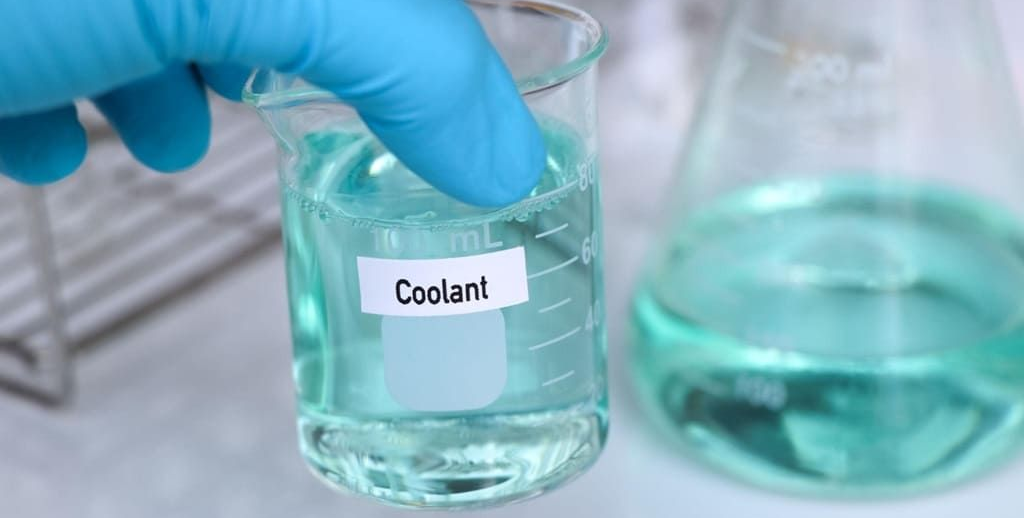
Coolant Analysis
Assess coolant condition and identify contamination or changes that could affect cooling system performance and component protection.
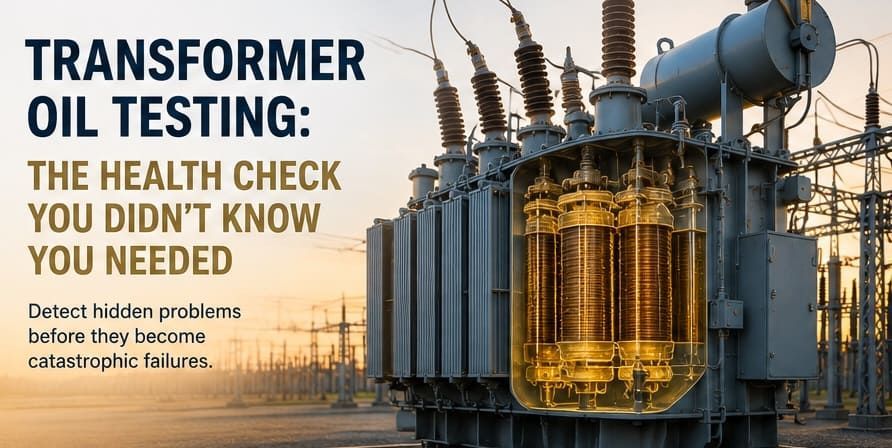
Transformer Oil Analysis
Monitor transformer oil condition and investigate potential electrical and insulation problems through routine testing, dissolved gas analysis and other specialist tests.
Grease Analysis
Investigate grease condition, contamination, wear and chemical characteristics to help assess lubrication performance and equipment condition.
Need a different fluid analysed?
Not every application fits into a standard analysis package. If you have a specific fluid, equipment problem or unusual operating condition, contact FA-ST to discuss the most appropriate testing approach.
SPECIALIST ANALYSIS
When routine analysis isn't enough
Some problems require more detailed investigation. FA-ST provides specialist fluid, particle and component analysis to help investigate unusual contamination, wear, varnish formation and equipment problems.
Varnish Potential Analysis
Identify the potential for varnish-related problems in lubricating systems and assess the risk of deposits affecting valves, filters, bearings and other critical components.
- Membrane Patch Colourimetry
- Varnish Potential assessment
- Laboratory interpretation
- Practical recommendations
Advanced Microscopy & LIBS
Investigate particles and contamination in greater detail using advanced microscopy and Laser-Induced Breakdown Spectroscopy to help determine their composition and possible source.
- Detailed particle investigation
- Particle morphology
- Material identification
- Failure investigation support
Filter Dissection
Examine material captured by a filter to help understand contamination, wear debris and other evidence that may indicate what is happening within an operating system.
- Filter media examination
- Captured particle investigation
- Contamination assessment
- Failure investigation support
INVESTIGATING A PROBLEM?
We can help determine what to test
If you have abnormal oil results, unexpected particles, contamination or an equipment problem that you need to investigate, speak to our specialists about the most appropriate analysis.
LABORATORY OR ON-SITE?
Choose the right way to test your fluid
Fluid condition can be assessed in the laboratory or, for some applications, directly at the equipment. The right approach depends on what you need to investigate, how quickly you need an answer and the level of detail required.
Laboratory Fluid Analysis
Send a fluid sample to the FA-ST laboratory for detailed analysis and expert interpretation. Laboratory testing is suitable when you need a broader assessment of fluid condition, contamination, wear or degradation.
Suitable for:
- Routine condition monitoring
- Contamination and wear investigation
- Fluid degradation assessment
- Specialist and failure investigations
On-Site Fluid Testing
Carry out rapid condition checks at the equipment using portable testing equipment. On-site testing can provide immediate information to support maintenance decisions and ongoing contamination monitoring.
Suitable for:
- Rapid contamination checks
- Particle and cleanliness monitoring
- Routine on-site condition checks
- Supporting maintenance investigations
WHICH APPROACH?
Laboratory or on-site testing?
Choose laboratory analysis when...
You need detailed test results, expert interpretation or investigation of a specific fluid or equipment problem.
Choose on-site testing when...
You need rapid information at the equipment or want to monitor contamination and cleanliness regularly.
ON-SITE EQUIPMENT
Need your own testing equipment?
FA-ST also provides portable fluid testing and measuring equipment for organisations carrying out condition monitoring and contamination checks on site.
Not sure which approach is right for you? Tell us what you are testing and what you are trying to find out, and our specialists can help you choose the most appropriate method.
HOW IT WORKS
From sample to actionable information
Fluid analysis is a straightforward process. Take a representative sample, send it for the appropriate analysis, and use the results to understand fluid and equipment condition and plan your next maintenance decision.
1
SAMPLE
Take a representative sample
Collect a representative sample from the equipment using the appropriate sampling method and container for the application.
2
ANALYSE
Choose the right analysis
The required tests depend on the fluid, equipment and reason for testing. FA-ST offers a range of routine and specialist laboratory analyses.
3
INTERPRET
Understand the results
Analysis results can provide information about contamination, wear, fluid condition and other changes occurring within the system.
4
ACT
Make an informed maintenance decision
Use the findings to determine whether further investigation, corrective action, continued monitoring or routine maintenance is appropriate.
Good sampling is important
The quality and location of a sample can affect the usefulness of the results. If you are unsure where or how to sample your equipment, FA-ST can help you identify an appropriate sampling approach.
READY TO TEST?
Find an analysis kit for your application
Choose from FA-ST's range of laboratory analysis kits and services.
WHY FA-ST?
More than a test result
Fluid analysis is most valuable when the results help you understand what is happening inside your equipment and what to do next.
FA-ST combines laboratory analysis, condition monitoring knowledge, contamination expertise and practical investigation to help turn fluid samples into useful maintenance information.
Specialist Laboratory Expertise
Analysis is carried out to investigate fluid condition, contamination, wear and changes that can affect equipment reliability.
Condition Monitoring Knowledge
Fluid analysis can form part of a wider condition monitoring programme, helping identify changes over time and support condition-based maintenance decisions.
Advanced Investigation
When routine analysis does not provide the full answer, specialist techniques such as particle analysis, microscopy, LIBS and filter dissection can help investigate contamination and equipment problems in greater detail.
Practical Interpretation
The objective is not simply to provide laboratory data. Results can be interpreted in the context of fluid condition, equipment operation and potential maintenance requirements.
Contamination & Filtration Expertise
Understanding contamination is closely connected to filtration, cleanliness and equipment protection. FA-ST can help investigate contamination sources and identify appropriate next steps.
Laboratory & On-Site Options
From laboratory analysis to portable on-site testing, different approaches can be used depending on the application, investigation and level of information required.
NEED HELP CHOOSING?
Not sure which analysis is right for your application?
Tell us what equipment or fluid you are working with and what you are trying to find out. We can help identify the most appropriate analysis route.
NOT SURE WHERE TO START?
Not sure which analysis you need?
You don't need to know the name of the test before you speak to us.
Tell us what fluid you are working with, what equipment it is used in, or what problem you are trying to investigate. We can help you identify the most appropriate analysis and testing route.
I know the fluid
Start with the type of fluid you need to analyse and explore the available analysis options.
- Oil & lubricants
- Diesel & fuel
- Coolant
- Transformer oil
- Grease & other fluids
I know the equipment
Start with the machine or application and find the analysis most relevant to the equipment you are monitoring.
- Engines
- Hydraulic systems
- Gearboxes
- Turbines
- Marine & industrial equipment
I have a problem to investigate
If you are investigating contamination, wear, particles, fluid degradation or an equipment problem, we can help determine the right investigation.
- Unexpected wear
- Contamination
- Particle problems
- Fluid degradation
- Equipment failure
NEED SOME GUIDANCE?
Tell us what you're trying to find out
Our team can help you work out which analysis is appropriate for your fluid, equipment or investigation.
FLUID ANALYSIS FAQs
Frequently asked questions about fluid analysis
Find answers to some of the most common questions about fluid analysis, laboratory testing, sampling and choosing the right analysis for your equipment.
What is fluid analysis?
Fluid analysis is the examination of a fluid to assess its condition and identify changes that may indicate contamination, wear, degradation or other developing problems. Depending on the application, this can include oil, fuel, coolant, transformer oil, grease and other critical fluids.
What can fluid analysis tell me?
The information available depends on the fluid and analysis selected. Testing can help identify contamination, wear particles, changes in fluid condition, degradation and other indicators that may help reveal what is happening inside the equipment.
Why should I analyse my oil?
Oil analysis can provide an early indication of changes in both the lubricant and the equipment using it. Regular analysis can help identify contamination, wear and fluid degradation and support condition-based maintenance decisions.
How do I know which analysis I need?
The right analysis depends on the fluid, equipment, operating conditions and what you are trying to find out. Start with the relevant fluid or equipment application, or contact FA-ST if you are unsure which analysis is appropriate.
How do I take a fluid sample?
A representative sample is important because the quality and location of the sample can affect the usefulness of the analysis. Sampling methods vary depending on the equipment and fluid.
If you are unsure where or how to take a sample, contact FA-ST before sampling so the appropriate approach can be considered.
How often should fluid analysis be carried out?
There is no single frequency that is appropriate for every application. The right interval depends on the equipment, fluid, operating conditions, criticality and maintenance strategy.
For condition monitoring, consistent sampling and comparison of results over time can be particularly useful.
Can fluid analysis identify equipment wear?
Some fluid analyses can identify wear-related particles or changes associated with equipment wear. The type and level of information available depends on the fluid, equipment and analysis performed.
Where more detailed investigation is required, specialist particle analysis and other investigative techniques may provide additional information.
What is the difference between laboratory and on-site testing?
Laboratory analysis can provide detailed information about fluid condition, contamination, wear and other characteristics. On-site testing can provide rapid checks where immediate information about fluid cleanliness or condition is required.
The most appropriate approach depends on the application and what you need the testing to achieve.
Can FA-ST help if I am investigating a failure?
Yes. Where routine fluid analysis is not enough to understand a problem, specialist investigation can be used to examine contamination, particles, filters and other evidence associated with equipment problems.
FA-ST offers specialist services including Advanced Microscopy & LIBS, Filter Dissection and Varnish Potential Analysis.
Can I speak to someone before buying an analysis kit?
Yes. If you are unsure which analysis is appropriate, you can contact FA-ST before ordering. Providing details about the fluid, equipment and reason for testing will help identify the most suitable analysis route.
STILL NOT SURE?
We can help you choose the right analysis.
Tell us about your fluid, equipment or problem and we'll help point you towards the most appropriate testing option.
READY TO GET STARTED?
Choose the right analysis for your fluid
Whether you are carrying out routine condition monitoring, investigating contamination or wear, or trying to understand a developing equipment problem, FA-ST can help you identify the most appropriate analysis.