Checkfluid Sampling Technology
Oil Sampling Valves & Fixed Fluid Sampling Points
Reliable oil analysis starts with a representative sample. Checkfluid oil sampling valves provide a consistent, controlled sampling point for collecting oil and other fluids from industrial machinery and hydraulic systems.
By taking samples from the same location each time, fixed sampling points can help improve sampling consistency, reduce the risk of contamination and provide more meaningful oil analysis trends. FA-ST supplies Checkfluid sampling valves for both low-pressure and high-pressure applications, including systems up to 4,000 psi.



Better Sampling. Better Analysis.
Why Use a Fixed Oil Sampling Point?
The quality of an oil analysis programme depends on collecting representative samples consistently. A fixed sampling point provides a repeatable location for collecting oil and fluid samples, helping engineers monitor equipment condition over time.
Consistent Sampling Location
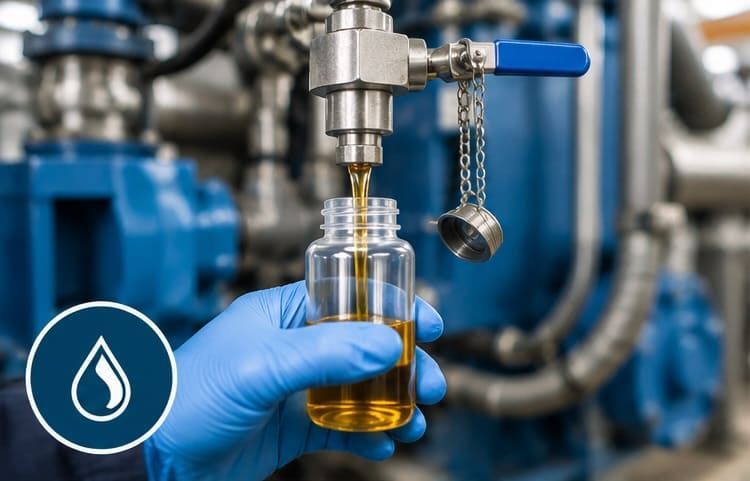
Take samples from the same location each time to improve consistency and make oil analysis results easier to compare and trend over the life of the equipment.
Reduce Contamination Risk
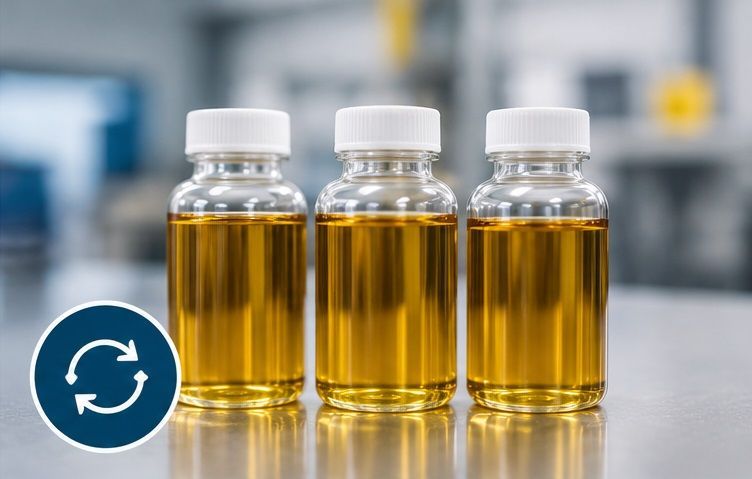
A dedicated sampling point can help reduce the opportunity for dirt and other external contamination to enter the sample during routine collection.
Improve Trend Analysis

Consistent sampling locations help produce comparable results, making it easier to identify changes in lubricant condition, contamination and wear over time.
Make Routine Sampling Easier

A permanently installed sampling point provides a convenient and repeatable connection for routine oil and fluid sampling, where the equipment and application allow.
Designed Around Your Oil Analysis Programme
Selecting the right sampling point is an important part of developing an effective condition monitoring programme. The location should provide a representative sample while also considering system pressure, temperature, accessibility and the type of fluid being analysed.
CHECKFLUID SAMPLING TECHNOLOGY
Oil Sampling Valves for Low & High-Pressure Systems
FA-ST supplies Checkfluid oil sampling valves for a wide range of industrial, hydraulic and fluid sampling applications. Choose from low-pressure, high-pressure and active-zone sampling solutions designed to provide a reliable and repeatable sampling point.
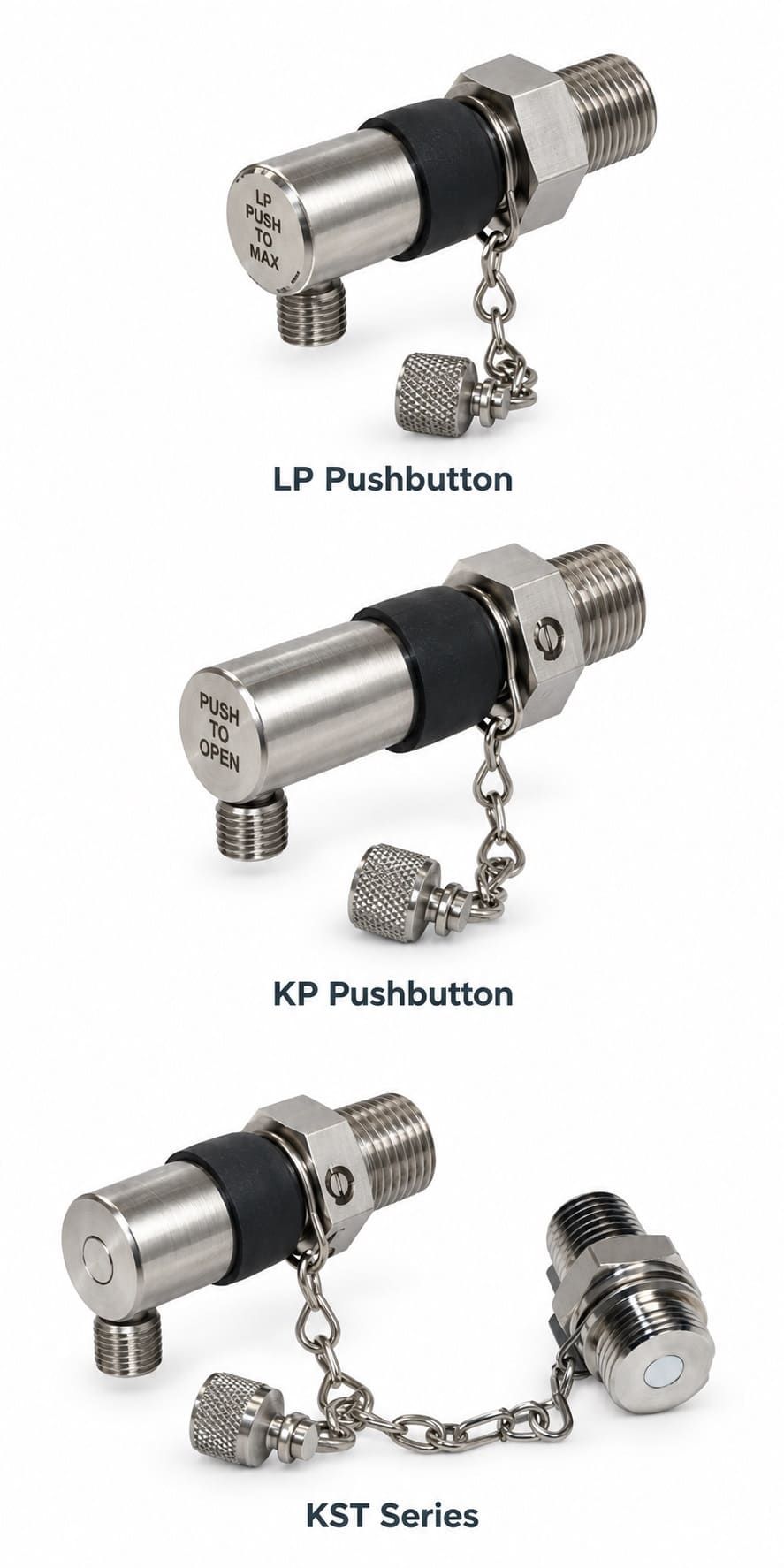
UP TO 125 PSI
Low-Pressure Oil Sampling Valves
High-flow sampling valves designed for low-pressure systems, including applications using high-viscosity oils. Suitable for routine oil sampling where a consistent and accessible sampling point is required.
- Systems up to 125 psi
- High-flow sampling
- Suitable for high-viscosity oils
- Designed for repeatable sampling
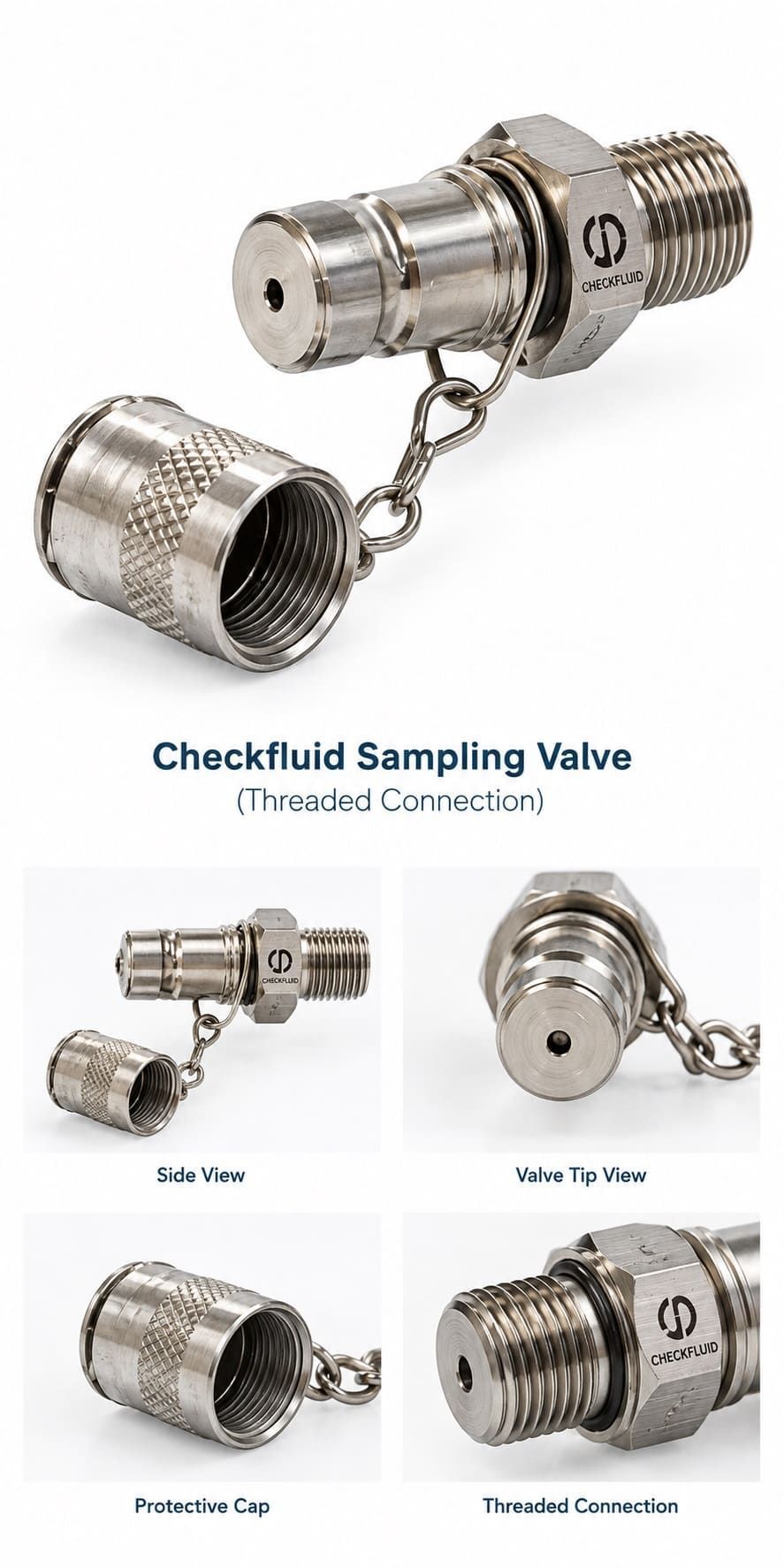
UP TO 4,000 PSI
High-Pressure Oil Sampling Valves
Checkfluid KST sampling valves provide a secure sampling point for pressurised systems. Different sampling probes are available for applications ranging from lower pressure systems through to pressures up to 4,000 psi.
- High-pressure applications
- Up to 4,000 psi with the appropriate probe
- Multiple connection options
- Carbon steel and stainless-steel options

LIVE ZONE SAMPLING
Active-Zone Oil Sampling Valves
LT Series sampling valves use a 12-inch stainless-steel tube to reach directly into the live zone of suitable equipment. This can help obtain a more representative sample without shutting down the equipment.
- 12-inch stainless-steel sampling tube
- High-flow design
- Sampling from the live zone
- Suitable for routine condition monitoring
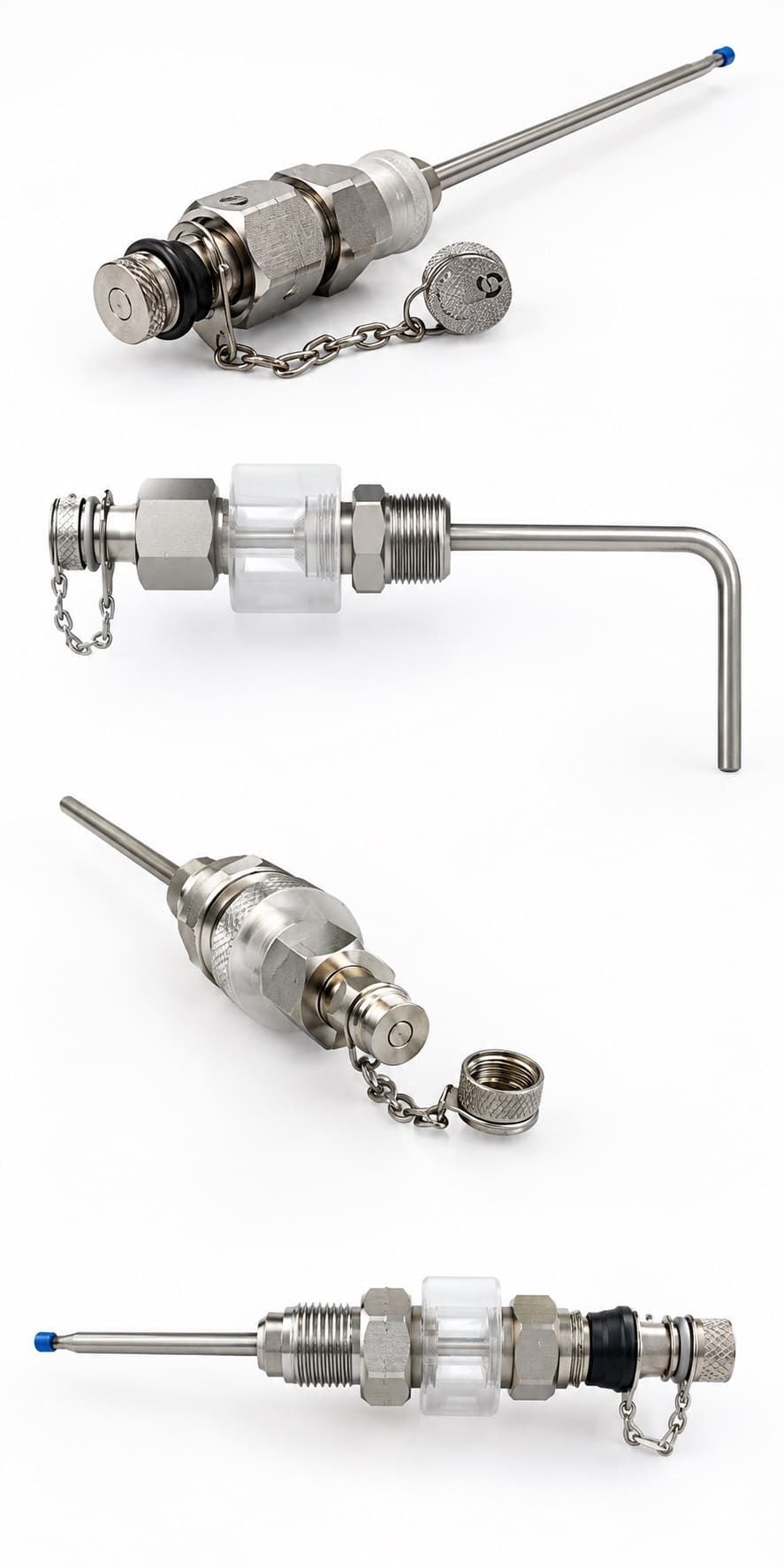
SPECIALIST CONNECTIONS
LTJ & Specialist Sampling Valves
The LTJ range provides active-zone sampling with a JIC connection, while specialist options such as the LTJ Sight Series provide additional visibility during the sampling process.
- JIC connection options
- Active-zone sampling
- High-flow sampling
- 3D sight glass option available
Not sure which valve you need?
Choose the right sampling point for your system
The correct sampling valve depends on factors such as system pressure, sampling location, fluid type, connection and whether sampling from the active zone is required.
Oil Sampling Valve Selection Guide
Which Oil Sampling Valve Do I Need?
The right sampling valve depends on your system pressure, sampling location, fluid and the type of sample you need to collect. Use the guide below to identify the most suitable Checkfluid sampling valve for your application.
Application
Valve Range
Pressure
Key Features
Best For
Low-pressure systems
KP / LP / L Series
Up to 125 psi
High-flow sampling
Routine oil sampling from low-pressure systems
Pressurised systems
KST Series
Up to 4,000 psi*
High-pressure
Hydraulic and pressurised fluid systems
Active-zone sampling
LT Series
n/a
12" stainless-steel tube
Sampling directly from the live zone
Active-zone + JIC
LTJ Series
n/a
JIC connection
Equipment requiring a JIC connection
Visual sampling
LTJ Sight Series
n/a
3D sight glass
Applications requiring visual confirmation
Important:
Always select the sampling valve and probe combination according to the actual system pressure, connection, fluid and application. The stated maximum pressure depends on the specific valve and sampling probe configuration.
Is your system below 125 psi?
For low-pressure systems, Checkfluid low-pressure sampling valves provide a high-flow solution for collecting oil samples quickly and consistently.
Is your system pressurised?
The KST range is designed for sampling from a wide range of low- and high-pressure systems, with suitable probe configurations available for pressures up to 4,000 psi.
Do you need to sample from the active zone?
The LT Series uses a 12-inch stainless-steel tube to reach into the live zone of suitable equipment, allowing samples to be collected without shutting down the equipment.
?
Need technical advice?
Not sure which sampling valve is right for your equipment?
Tell us about your equipment, operating pressure, fluid and existing sampling connection. Our team can help you identify the appropriate Checkfluid sampling solution.
Oil Sampling Best Practice
Choosing the Right Oil Sampling Point
Installing a sampling valve in the right location is just as important as choosing the right valve. A representative sample should reflect the condition of the fluid and the components being monitored, while providing a consistent location for future samples.
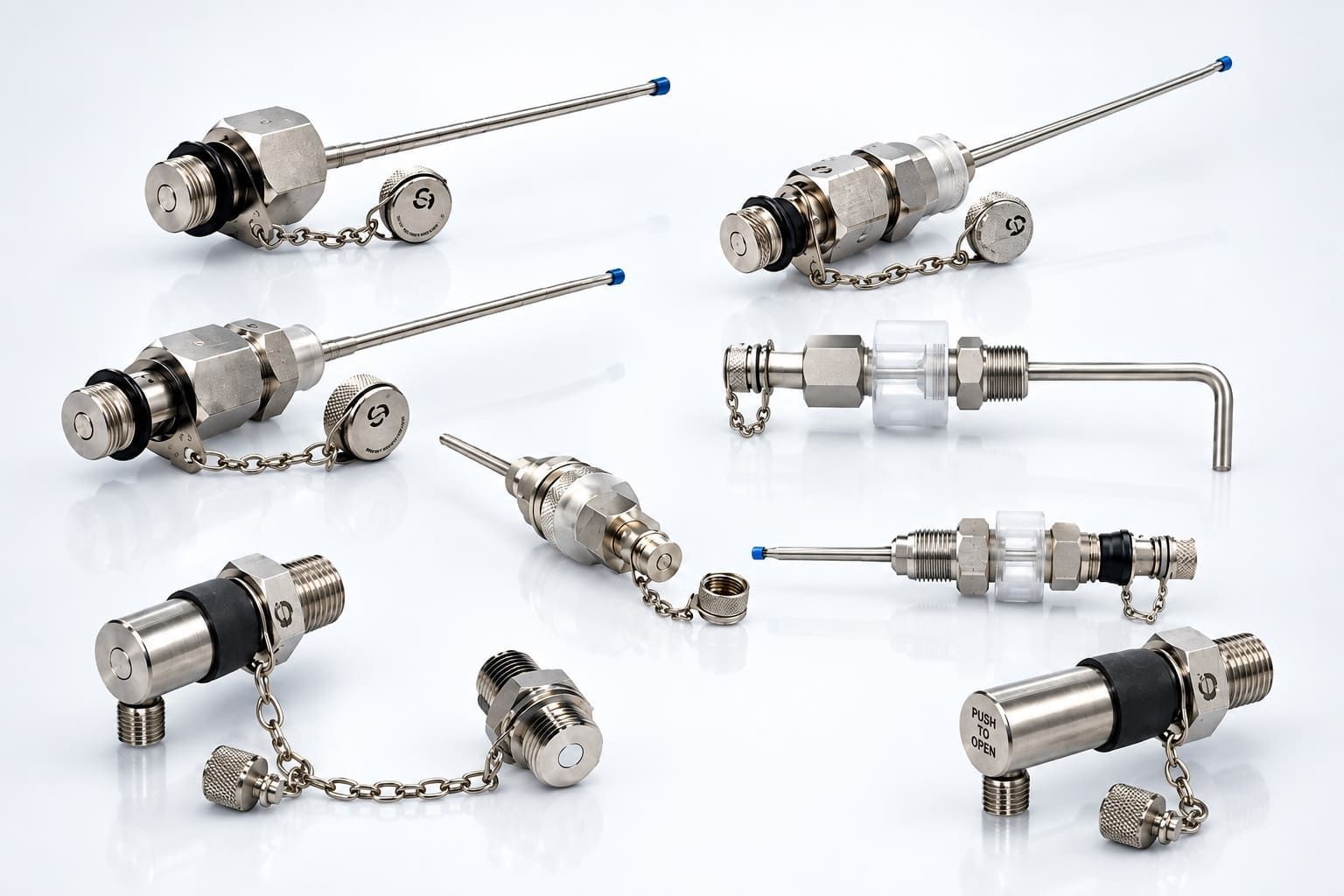
The sampling point should provide a representative sample
The aim of oil sampling is to obtain a sample that gives a true indication of the condition of the fluid and the equipment it is lubricating. Sampling from an unsuitable location can produce results that do not accurately reflect what is happening within the system.
Once a suitable location has been identified, installing a fixed sampling valve allows future samples to be taken from the same point. This consistency makes it easier to compare results and identify changes in oil condition or component wear over time.
Key Considerations
What should you consider when selecting a sampling point?
Representative Location
Choose a location that provides a sample representative of the fluid and equipment condition you are monitoring. The correct location will depend on the machinery and the purpose of the sampling programme.
Consistent Sampling Point
Use the same sampling location for repeat samples where possible. Consistency helps create reliable oil analysis trends and makes changes in the results easier to identify.
Accessibility
The sampling valve should be positioned where maintenance personnel can safely and conveniently collect samples during routine condition monitoring.
System Conditions
Consider operating pressure, temperature, fluid type, connection requirements and the sampling equipment that will be used when selecting the valve and installation location.
Active-Zone Sampling
Sampling from the live zone
In some applications, the most useful sample needs to be taken directly from an active or live zone within the equipment. Checkfluid LT Series valves use a 12-inch stainless-steel tube to allow sampling directly from the live zone of suitable equipment without shutting down the system.
This type of installation can provide a more representative sample where the sampling location and equipment design make active-zone sampling appropriate.
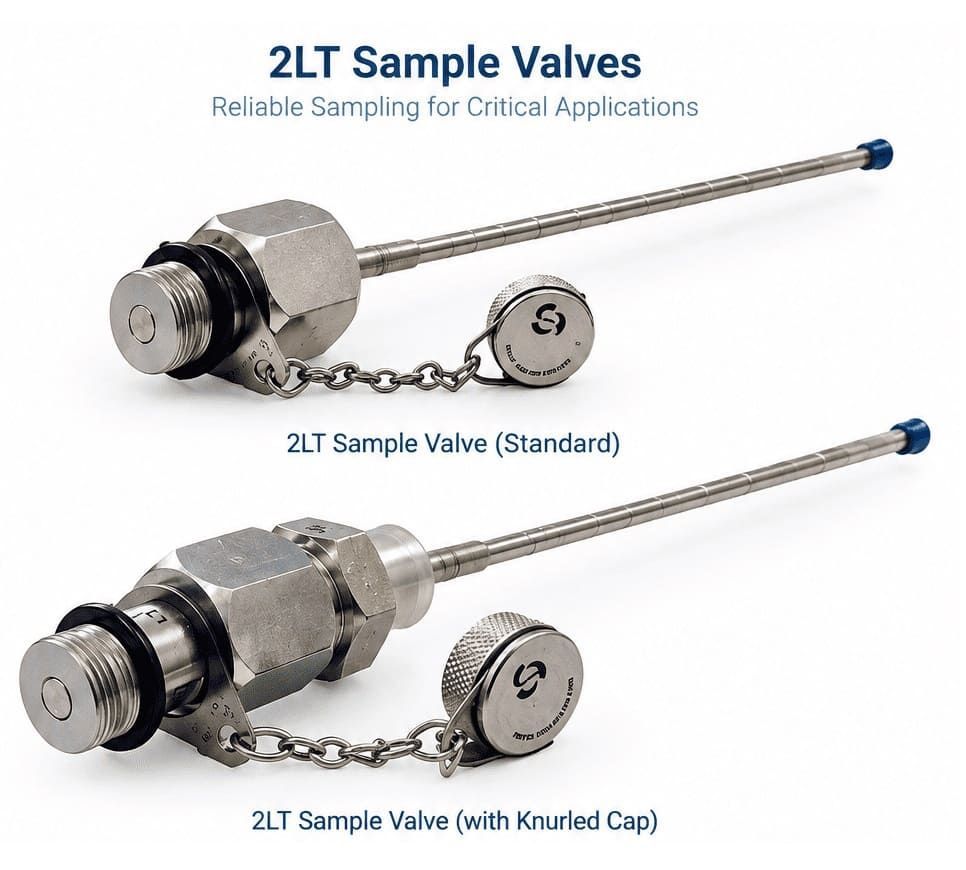
Get the sampling point right
Need help selecting a sampling location or valve?
FA-ST can help assess your sampling requirements and identify a suitable Checkfluid sampling solution for your equipment.
Complete Oil Sampling Equipment
Everything You Need for Reliable Oil Sampling
A sampling valve is only one part of an effective oil sampling system. The correct bottle, tubing, pump and sampling accessories all contribute to collecting a clean, representative sample that can provide useful information about equipment and lubricant condition.
Oil Sample Bottles
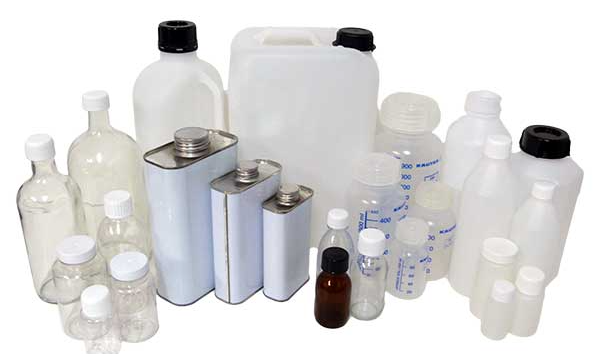
Clean, suitable sample containers help protect the sample from external contamination and provide a consistent method of collecting oil for laboratory analysis.
Sampling Tubing
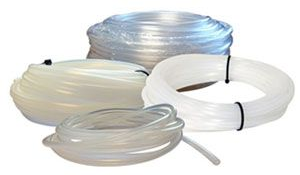
The appropriate tubing provides a clean connection between the sampling point and the sample container or pump. Tubing should be suitable for the application and sampling method.
Oil Sampling Pumps
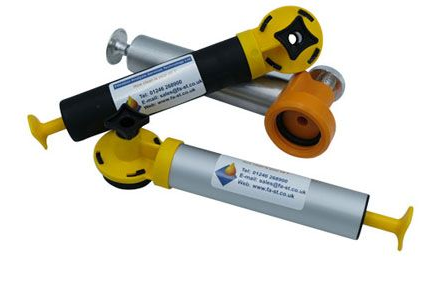
Sampling pumps can be used where the system does not provide a suitable pressurised sampling point or where oil needs to be drawn from a reservoir, tank or other accessible location.
Oil Sampling Kits
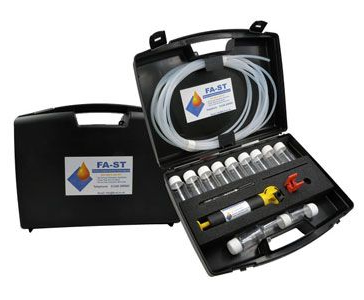
Sampling kits bring the essential components together, providing a convenient option for engineers and maintenance teams carrying out routine oil condition monitoring.
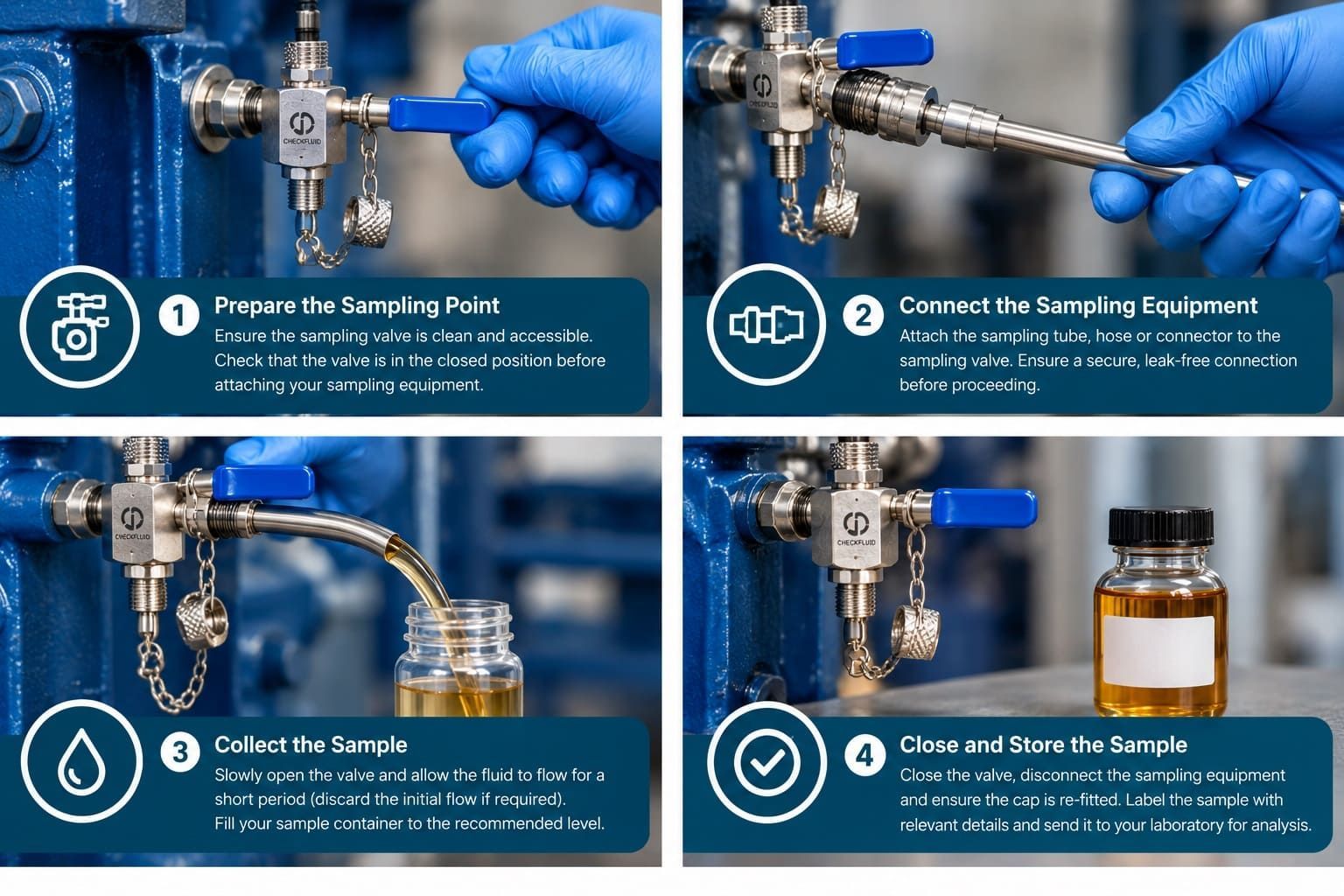
The Sampling Process
From sampling point to oil analysis
A consistent sampling process helps ensure that the sample reaching the laboratory is representative of the equipment condition being monitored.
Sampling Is Only the Beginning
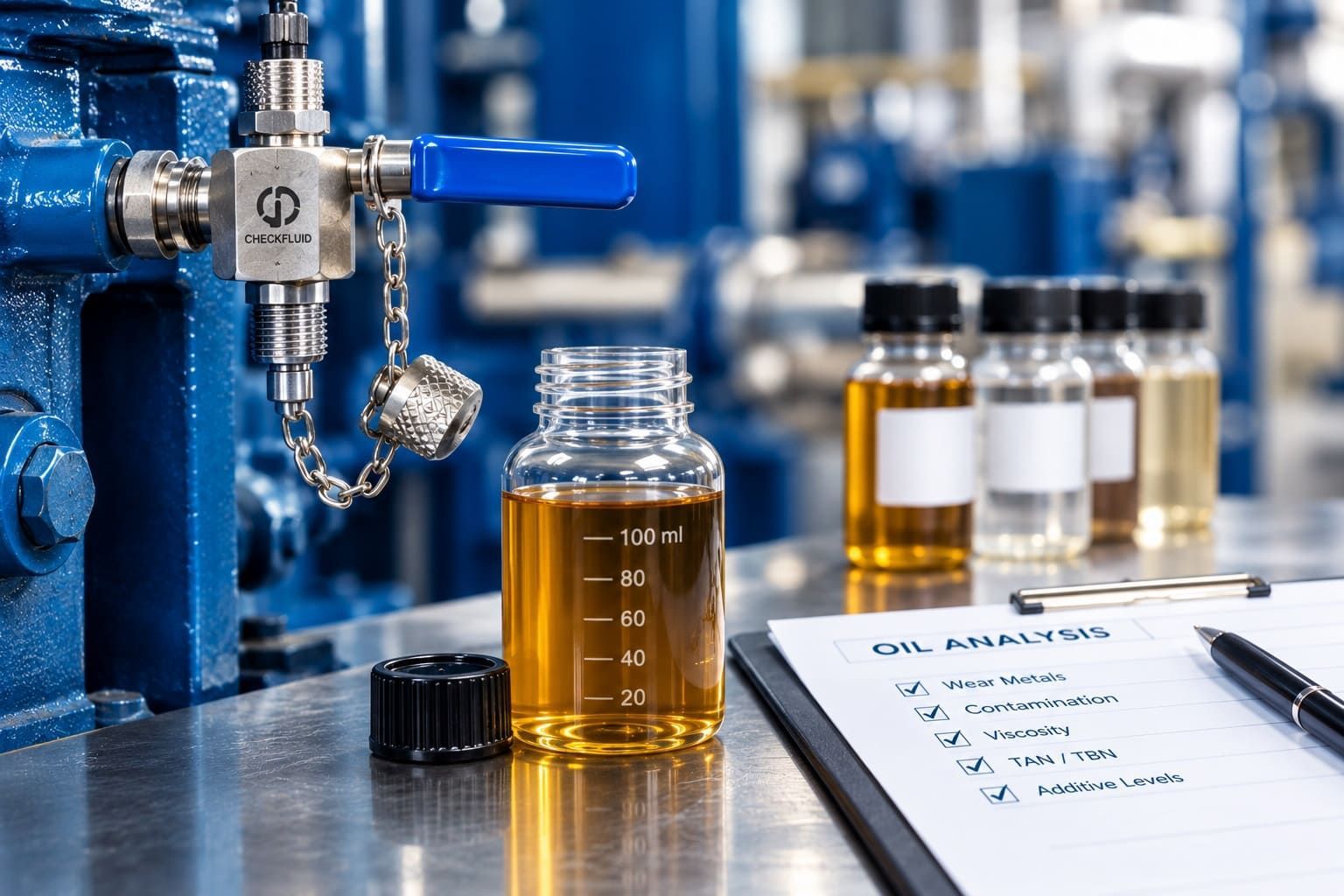
Turn your oil samples into useful condition monitoring data
Regular oil analysis can help identify changes in lubricant condition, contamination and wear before they develop into more serious equipment problems. The value of the analysis depends on obtaining representative samples consistently.
FA-ST combines oil sampling, laboratory analysis and filtration expertise to help customers make better-informed maintenance decisions.
Complete your sampling system
Need sampling equipment or technical advice?
From sampling valves and bottles to pumps, tubing and complete sampling kits, FA-ST can help you select the equipment required for your application.
Oil Sampling & Analysis
Turn Oil Samples Into Actionable Information
Taking an oil sample is only the first step. Laboratory analysis can reveal changes in lubricant condition, contamination and wear, helping maintenance teams understand what is happening inside their equipment.
Why combine oil sampling with laboratory analysis?
Regular oil analysis provides a way of monitoring lubricant and equipment condition over time. By taking samples from consistent sampling points, changes in test results can be compared against previous results to identify developing trends.
A properly installed sampling valve provides a repeatable access point, helping engineers and maintenance teams collect samples from the same location during routine condition monitoring.
The resulting laboratory data can then be used alongside equipment knowledge, operating conditions and previous analysis results to support maintenance decisions.
Monitor Lubricant Condition
Identify changes in lubricant properties that may indicate deterioration or the need for further investigation.
Detect Contamination
Laboratory testing can help identify contaminants that may affect lubricant performance and equipment reliability.
Monitor Wear
Wear debris and other changes in the sample can provide useful information about developing equipment conditions.
Build Meaningful Trends
Consistent sampling allows results to be compared over time, helping maintenance teams identify changes and investigate potential problems.
The Complete Process
From sampling point to maintenance decision
1
2
3
4
Sample
Collect a representative oil sample from the established sampling point.
Analyse
Submit the sample for laboratory testing to establish the condition of the lubricant and equipment.
Understand
Review the results alongside previous samples and equipment operating information.
Act
Use the information to support appropriate inspection, maintenance or further investigation.
FA-ST Oil Analysis
We can help beyond the sampling point
FA-ST provides oil sampling, analysis and filtration solutions, helping customers obtain useful information from
their lubricants and use it to support equipment maintenance and reliability.
Whether you need individual sample analysis or are developing a regular oil condition monitoring programme, we can help identify a suitable approach for your equipment.
Frequently Asked Questions About Oil Sampling Valves
Choosing the right sampling valve and sampling location is important when collecting oil for laboratory analysis. Here are answers to some of the most common questions about oil sampling valves and fixed sampling points.
What is an oil sampling valve?
An oil sampling valve is a permanently installed connection point that allows a representative fluid sample to be collected from machinery without opening the equipment or introducing unnecessary contamination.
Fixed sampling valves are commonly used on hydraulic systems, gearboxes, lubrication systems, reservoirs and other industrial equipment where regular oil condition monitoring is required.
Why should I use a fixed oil sampling point?
A fixed sampling point provides a consistent location for collecting oil samples. Taking samples from the same location each time makes laboratory results easier to compare and helps build meaningful oil condition trends.
It can also make routine sampling quicker, cleaner and safer compared with removing plugs or taking samples from inconsistent locations.
Where should an oil sampling valve be installed?
The sampling valve should be installed at a location that provides access to representative, well-mixed fluid from the system. The correct location depends on the equipment, fluid flow, operating conditions and the purpose of the analysis.
Avoid dead zones, areas of low flow and locations where contamination or settled debris may produce a misleading sample. For critical applications, the sampling location should be assessed as part of the overall oil sampling procedure.
How do I choose the right oil sampling valve?
The correct valve depends on several factors, including system pressure, fluid type, viscosity, sampling location, connection type and how the sample needs to be collected.
You should also consider whether an extended sampling tube, active-zone sampling arrangement, sight glass, probe or specialist connection is required.
If you are unsure which valve is suitable for your equipment, our team can help you select the appropriate configuration.
Can oil sampling valves be used on hydraulic systems?
Yes. Oil sampling valves can be used on hydraulic equipment to provide a repeatable sampling point for hydraulic oil condition monitoring.
The valve must be selected for the operating conditions of the system, including pressure, temperature, fluid type and the required sampling method.
Can sampling valves be used on gearboxes?
Yes. Sampling valves are particularly useful on industrial gearboxes where regular oil analysis is used to monitor lubricant condition, contamination and developing wear.
An appropriate active-zone sampling arrangement can help obtain oil from a representative location within the reservoir rather than relying on a sample taken from an unsuitable or inconsistent point.
What pressure can an oil sampling valve handle?
Pressure capability depends on the specific sampling valve and configuration. Different valves are designed for different operating conditions, so the valve's pressure rating should always be checked before installation.
For example, the Checkfluid range includes solutions for low-pressure applications as well as valves designed for higher-pressure systems.
If you provide details of your equipment and operating pressure, we can help identify a suitable sampling valve.
How do I take an oil sample from a sampling valve?
The sampling procedure depends on the valve and sampling equipment being used. In general, the sampling connection is cleaned, the appropriate sampling equipment is connected and the required amount of fluid is collected into a clean sample container.
Good sampling practice is essential. The sampling equipment and container should be clean and the same sampling location and procedure should be used each time wherever possible.
Why is representative oil sampling important?
Laboratory analysis can only provide useful information if the sample accurately represents the condition of the fluid in the machine.
A poorly chosen sampling point or contaminated sample can produce results that do not accurately reflect the condition of the equipment. Consistent sampling from a correctly selected location helps make oil analysis results more useful for maintenance decisions.