Protect Your Equipment
From Moisture &
Particle Contamination
Industry-leading desiccant breathers from Des-case, Brownell and RMF
Supplying Industry-Leading Vent Breathers
Find the right solution for your application from our most popular desiccant breather ranges.
Moisture Contamination Could Be Costing You Thousands
Every time your equipment breathes, airborne moisture and contaminants can enter your reservoirs, storage tanks and gearboxes.
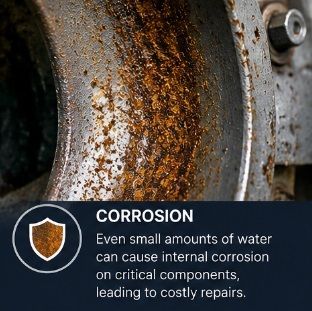
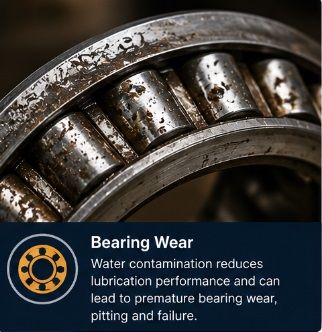
Over time this can lead to lubricant degradation, corrosion, increased wear and costly equipment failures.

Desiccant Recommendations by Application
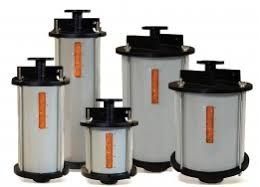
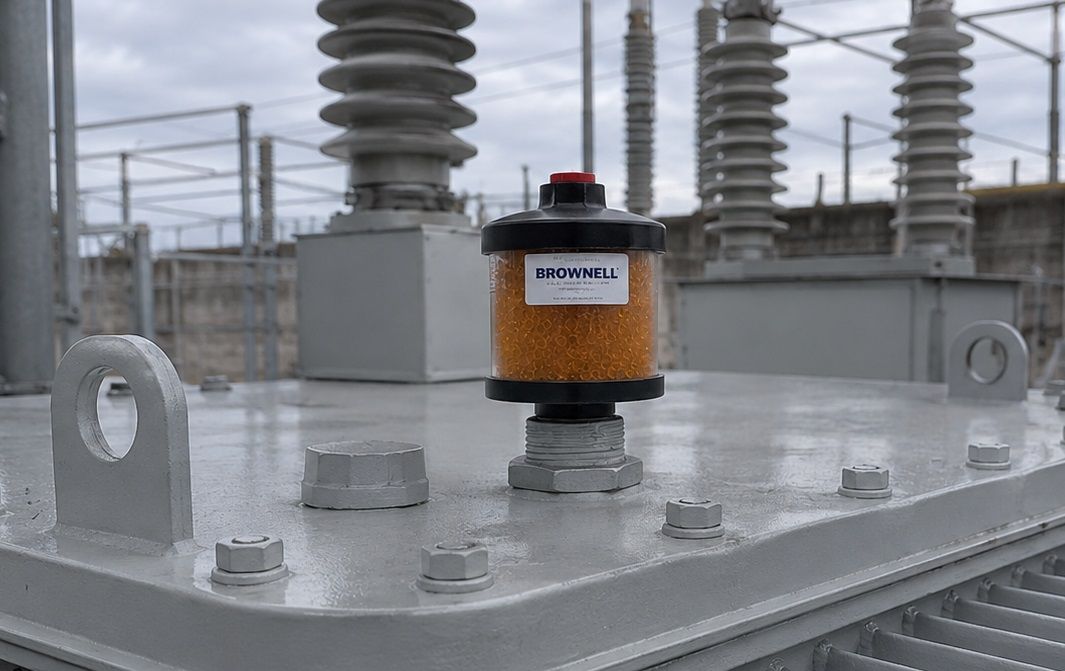
Brownell Transformer Breathers
Designed specifically for the transformer conservators and power distribution equipment.
Best For:
Transformers
Substations
Power Generation
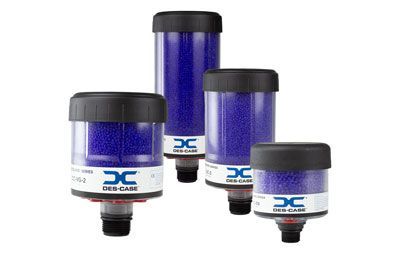
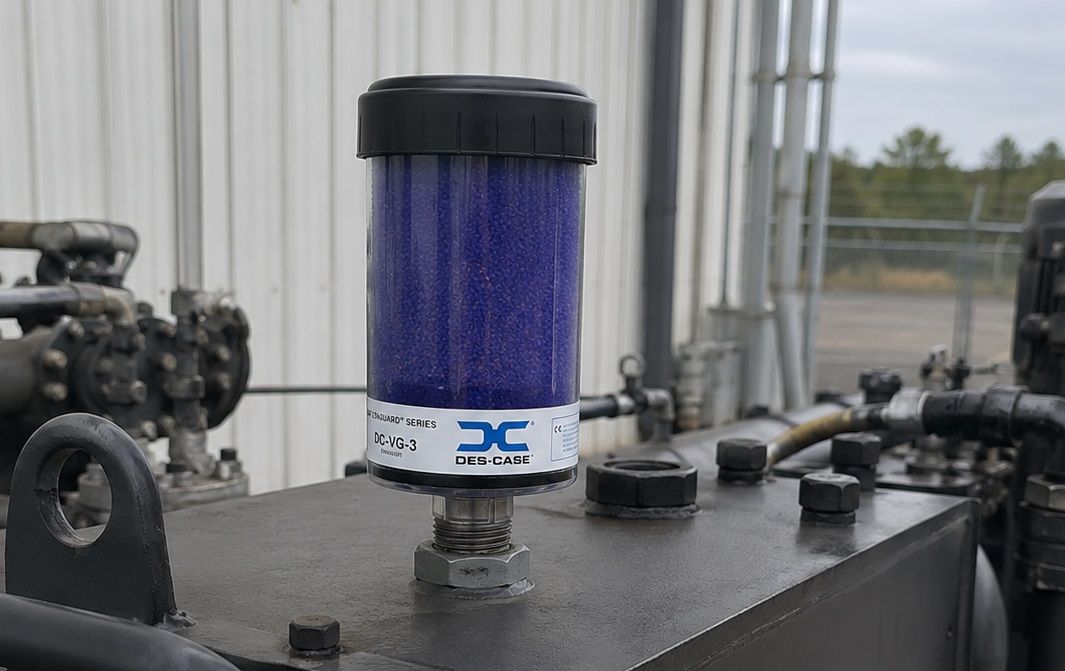
Des-Case VentGuard
Advanced check-valve technology extends breather life and improves moisture control.
Best For:
Gearboxes
Hydraulic Reserviors
Pumps
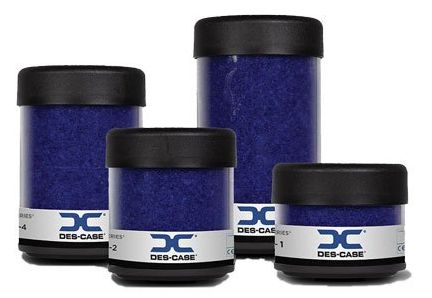
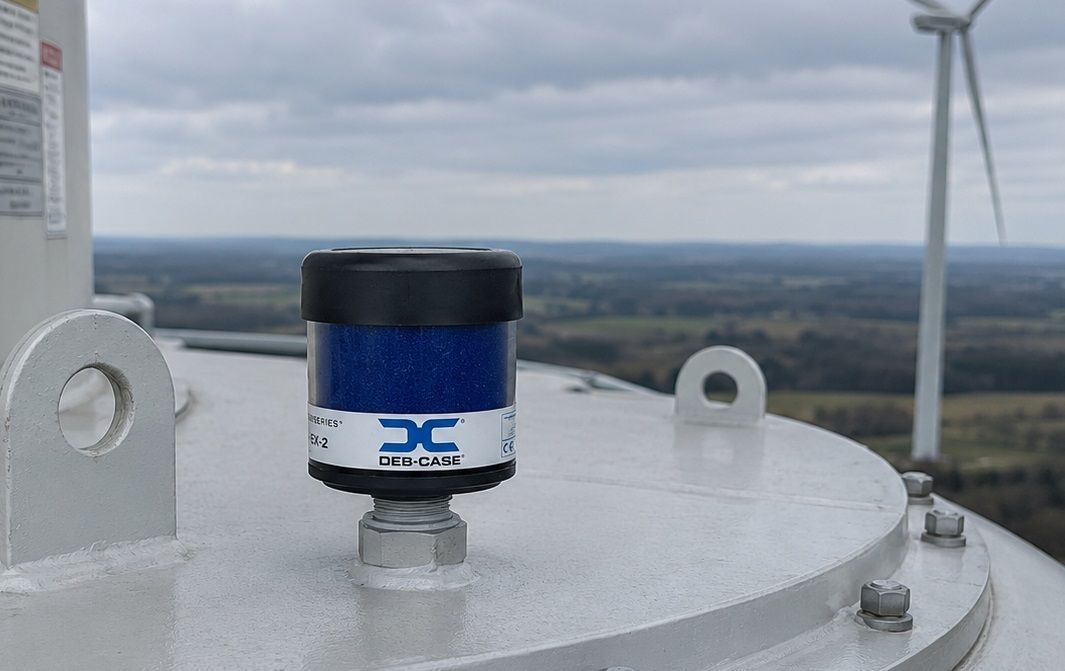
Des-Case Extended Series
High Capacity breathers designed for demanding industrial environments
Best For:
Tank Farms
Bulk Storage Tanks
Wind Turbines
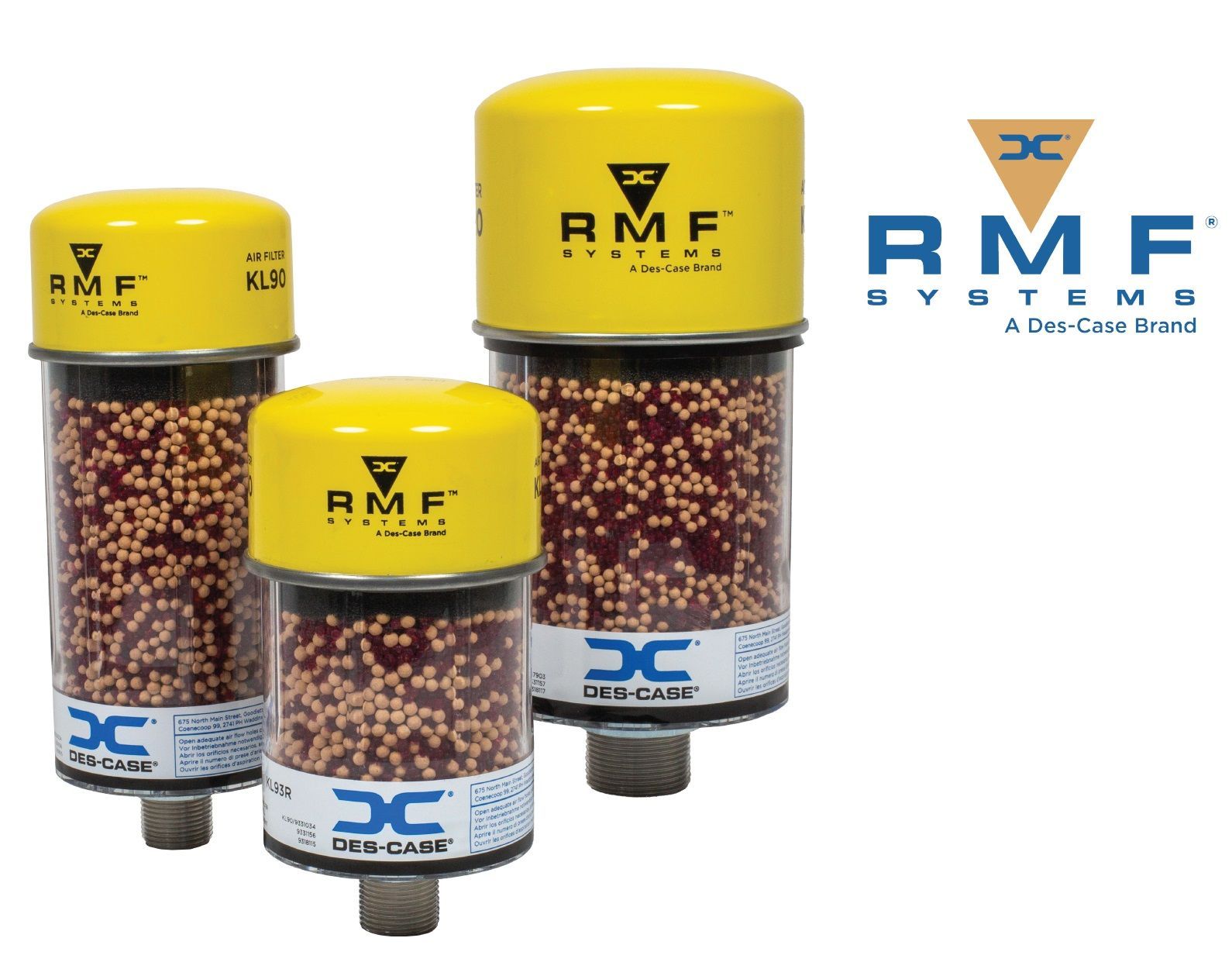
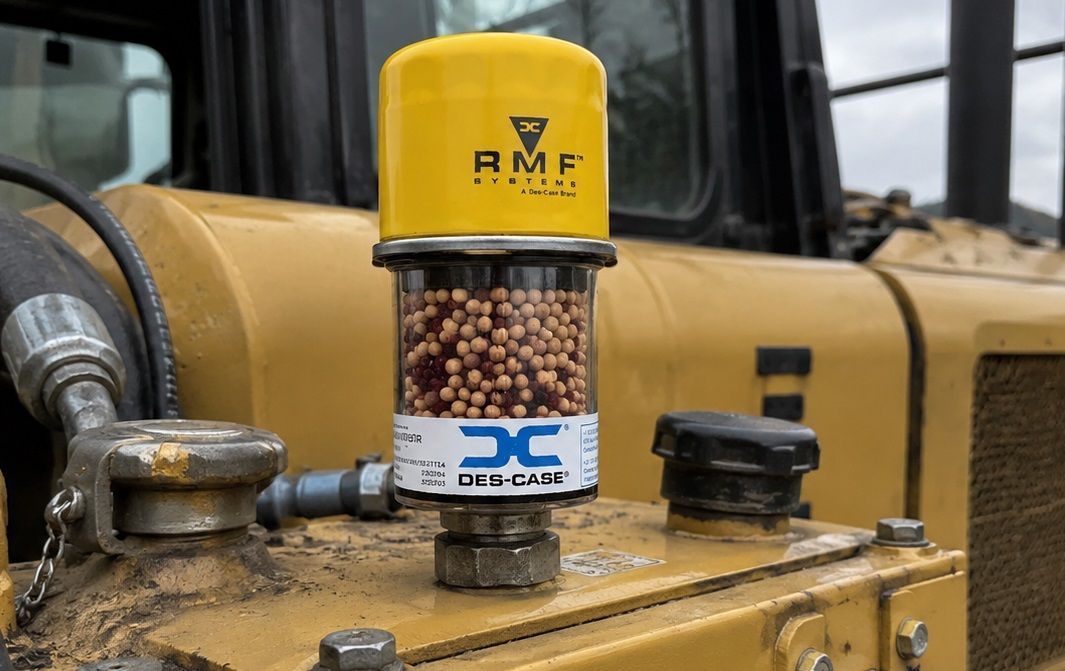
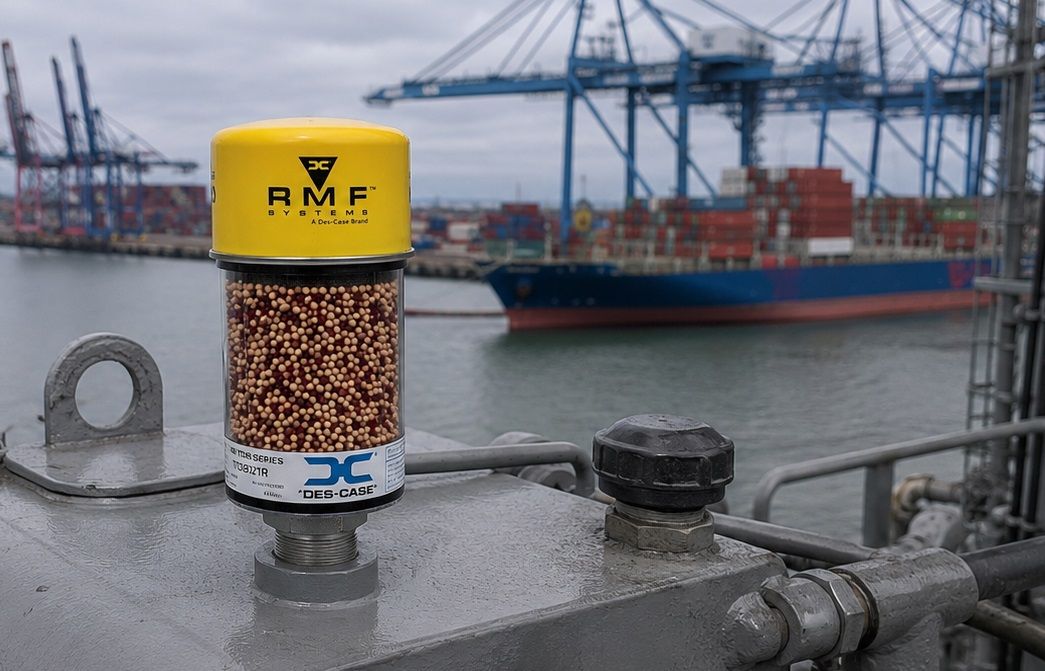
RMF Breathers
Compact designs built for mobile and vibration-intensive applications
Best For:
Mobile Hydraulics
Construction Equipment
Marine Applications
What Happens When Moisture Enters Your System?
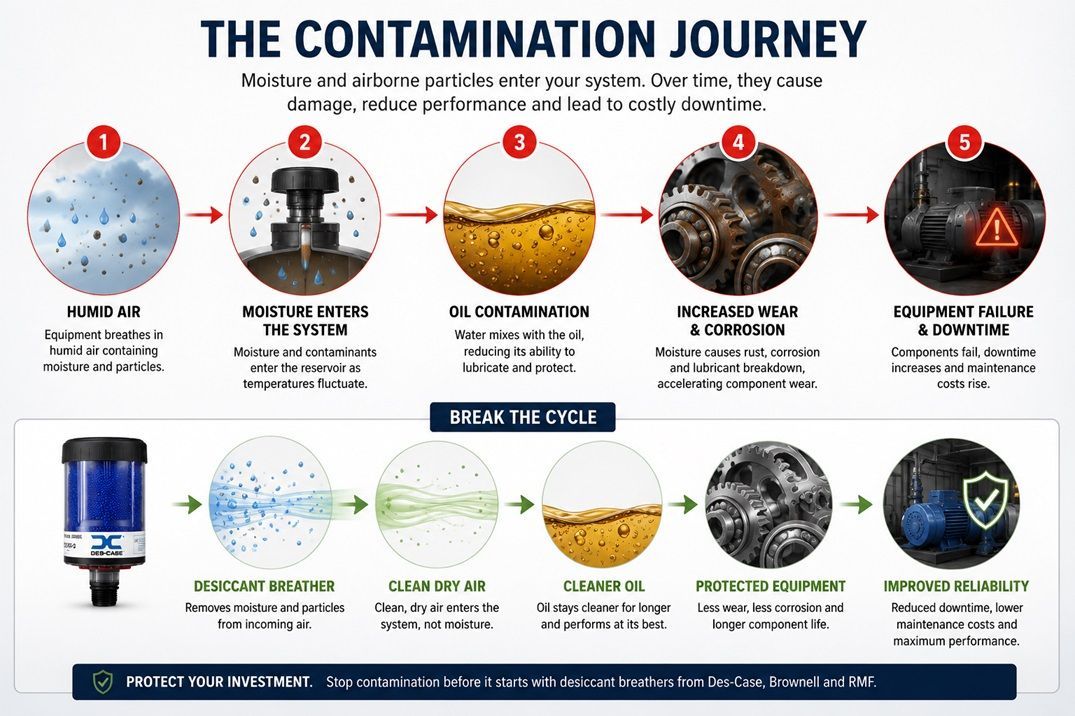
Moisture Contamination Is One Of The Biggest Causes Of Lubricant Failure
Every time a hydraulic reservoir, gearbox, storage tank or fuel tank “breathes”, outside air is drawn into the system. That air often contains moisture, dirt and airborne contaminants.
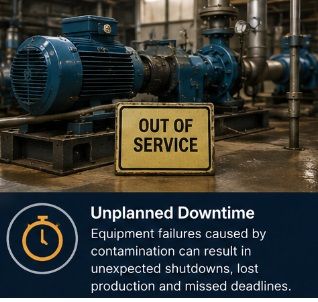
Over time, this contamination can damage lubricants, accelerate component wear and lead to costly unplanned downtime.
| Feature / Application | Brownell | Des-Case Standard | Des-Case VentGuard | Des-Case Extended | RMF ACM / KL | RMF TDB |
|---|---|---|---|---|---|---|
| Moisture Removal | ✓ | ✓ | ✓✓ | ✓✓✓ | ✓ | ✓✓ |
| Particle Filtration | ✓ | ✓ | ✓✓ | ✓✓✓ | ✓✓ | ✓✓ |
| Check Valve Technology | — | — | ✓ | ✓ | — | — |
| High Airflow Capacity | ✓ | ✓ | ✓✓ | ✓✓✓ | ✓ | ✓✓ |
| Transformer Applications | ✓✓✓ | — | — | — | — | — |
| Gearboxes | — | ✓ | ✓✓✓ | ✓✓ | ✓ | ✓ |
| Hydraulic Reservoirs | — | ✓✓ | ✓✓✓ | ✓✓✓ | ✓✓ | ✓✓ |
| Mobile Equipment | — | — | ✓ | ✓ | ✓✓✓ | ✓✓✓ |
| Tank Farms & Large Tanks | — | ✓ | ✓✓ | ✓✓✓ | — | ✓✓ |
| Harsh / Outdoor Environments | ✓✓ | ✓ | ✓✓ | ✓✓✓ | ✓✓✓ | ✓✓✓ |
Popular Vent Breathers
Most Popular Des-Case Breathers
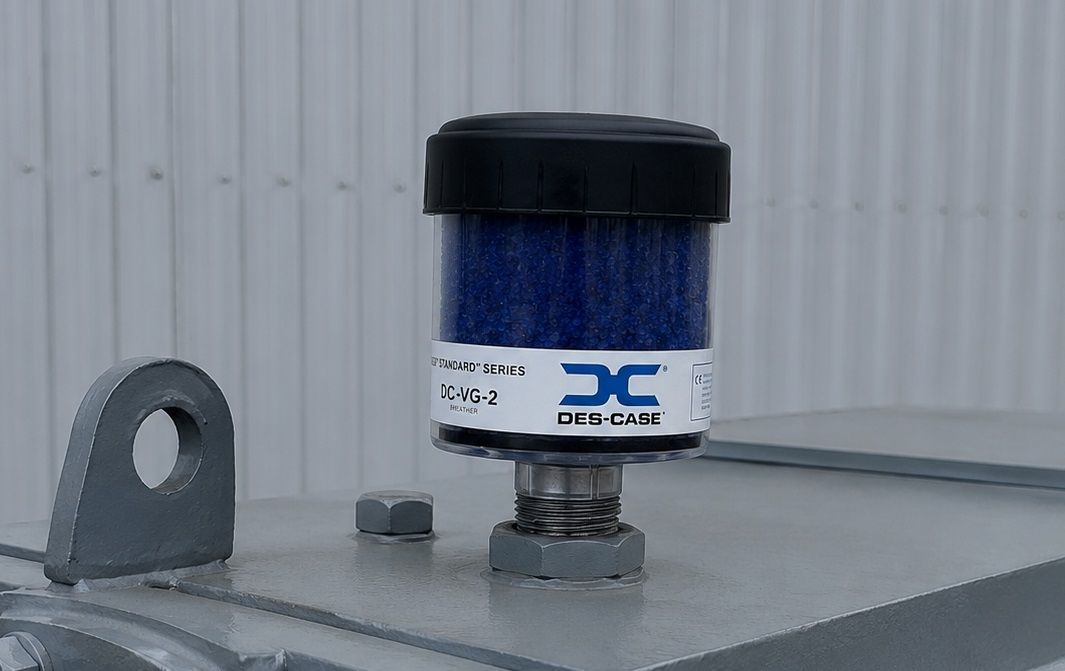
Des-Case breathers are trusted worldwide to protect hydraulic reservoirs, gearboxes, storage tanks and industrial equipment from moisture and particulate contamination. Explore some of our most popular solutions for improving lubricant cleanliness and extending equipment life.
Specialist Vent Breather Solutions
For transformers, mobile hydraulics, marine applications and other demanding environments, these specialist breather solutions provide targeted protection where standard breathers may not be suitable. Browse our most popular Brownell and RMF products below.
How Desiccant Breathers Protect Your Equipment
Every time equipment heats up and cools down, air moves in and out of the reservoir. Desiccant breathers remove contaminants before they can enter your system.
Equipment Breathes
Temperature and fluid level changes cause air to enter and leave the reservoir.
Air Is Filtered
Particulate filters capture airborne dust and contaminants before they enter the system.
Moisture Removed
Silica gel absorbs water vapour from incoming air before it reaches the oil.
Cleaner Equipment
Reduced contamination helps extend lubricant life, improve reliability and reduce maintenance costs.
The Real-World Impact
Unchecked moisture contamination can lead to significant operational and maintenance costs throughout the life of your equipment.
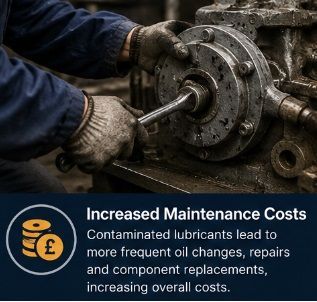
- ● More frequent oil changes – higher lubricant and disposal costs.
- ● Increased maintenance time – engineers spending more time on reactive repairs.
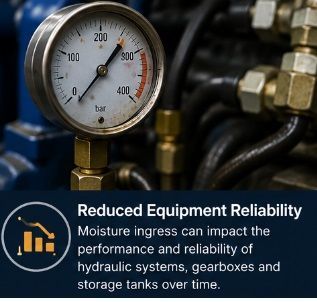
- ● Reduced equipment reliability – unexpected breakdowns and production interruptions.
- ● Higher operating costs – wear-related failures can cost far more than prevention.
Even small amounts of moisture can accelerate lubricant degradation, corrosion and component wear, leading to avoidable maintenance costs and downtime.
The Solution: Stop Contamination Before It Enters
Desiccant breathers remove moisture and airborne particles from incoming air before it reaches your equipment.
By fitting a desiccant breather to hydraulic reservoirs, gearboxes, storage tanks and fuel tanks, you can:
- ✓ Reduce moisture ingress
- ✓ Keep lubricants cleaner for longer
- ✓ Extend oil and component life
- ✓ Improve equipment reliability
- ✓ Reduce downtime and maintenance costs
Selecting the correct desiccant breather can significantly improve lubricant cleanliness, reduce maintenance costs and extend equipment life.
Common Applications for Desiccant Breathers
Desiccant breathers help protect lubricants, fuels and critical equipment from moisture and airborne contamination across a wide range of industrial applications.
Hydraulic Reservoirs
Protect hydraulic fluids from moisture and airborne contamination, helping to improve system reliability and extend component life.
Gearboxes
Reduce condensation and particulate ingress that can accelerate wear, corrosion and lubricant degradation.
Bulk Oil Storage Tanks
Maintain lubricant cleanliness during temperature fluctuations and breathing cycles.
Diesel Fuel Storage Tanks
Minimise moisture ingress that can contribute to fuel degradation, microbial growth and filter blockages.
Transformers
Protect insulating oils from moisture contamination that can reduce dielectric strength and transformer reliability.
Wind Turbine Gearboxes
Prevent moisture and dirt ingress in demanding environments, helping to extend lubricant and gearbox life.
Mobile Plant & Equipment
Improve contamination control in hydraulic systems operating in dusty and challenging outdoor conditions.
Industrial Process Tanks
Protect valuable fluids and chemicals from airborne moisture and particulate contamination during storage and operation.
Ready to Protect Your Equipment From Moisture Contamination?
Protect lubricants, reduce maintenance costs and improve equipment reliability with with industry-leading desiccant breathers from Des-Case, Brownell and RMF
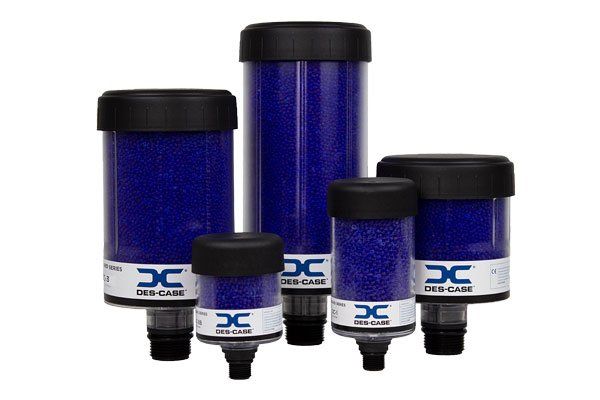
Des-Case Breathers
Ideal for hydraulic reservoirs, gearboxes, storage tanks and industrial machinery.
- Gearboxes
- Hydraulic Reservoirs
- Pumps
- Industrial Equipment
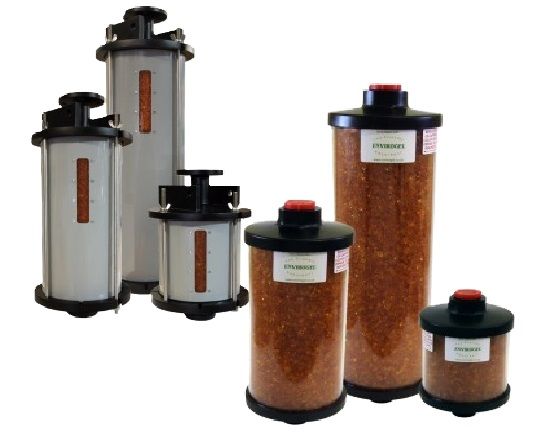
Brownell Breathers
Designed specifically for transformers and power distribution applications.
- Power Transformers
- Substations
- Utilities
- Power Generation
RMF Breathers
Built for mobile, marine and harsh operating environments.
- Mobile Hydraulic
- Construction Equipment
- Mining Equipment
- Marine Applications
Need Help Choosing the Right Breather?
Our filtration specialists can recommend the correct breather based on reservoir size, airflow requirements, environmental conditions and equipment type.
✓ Reservoir Size ✓ Airflow Requirements ✓ Humidity Conditions ✓ Equipment Type