
DISCOVER WHAT YOUR
OIL FILTER IS REALLY TELLING YOU
Our Professional filter dissection service reveals hidden
wear particles trapped inside your oil filter, providing
early warning of component wear before catastrophic
failures occur.
🔍 Detect Hidden Wear
Wear particles trapped in the filter often reveal issues before they appear in routine oil analysis.
⚙️ Prevent Costly Failures
Identify abnormal wear from bearings, gears, pumps and hydraulic components before breakdown occurs.
📊 Make Better Maintenance Decisions
Use real evidence to plan maintenance rather than reacting after failure.
SIMPLE PROCESS
How Filter Dissection Works
Our straightforward process ensures every filter is handled with care, providing reliable results and expert insights into your equipment's condition.
Send Your Filter
Remove your used filter during routine servicing and send it to our laboratory for inspection.
Professional Dissection
We carefully open the filter using specialist equipment, preserving trapped debris for analysis.
Laboratory Examination
Our technicians inspect the filter media for metallic wear, contamination and abnormal particles.
Receive Your Report
You'll receive a detailed report including photographs, findings and expert recommendations.
Need your filters analysed? Contact our team now
What's Included
Reveal Hidden Wear
Identify wear particles trapped inside the filter that may not be detected through routine oil analysis.
Detect Developing Faults
Gain early warning of bearing, gear, piston and hydraulic component wear before failure occurs.
Visual Evidence
High-quality photographs clearly document the condition of the filter and any abnormal findings.
Actionable Results
Receive clear laboratory findings presented in an easy-to-understand technical report.
Maintenance Guidance
Use expert recommendations to support maintenance planning and reduce unplanned downtime.
Improve Reliability
Build a clearer picture of machine health by combining filter dissection with your condition monitoring programme.
Insights Hidden Inside Your Oil Filter
Every filter tells a story. By examining the debris captured within the filter media, our laboratory can identify evidence of normal wear, contamination and potential component failure.
Typical Findings
- Fine carbon deposits
- Minor metallic wear particles
- Normal filter loading
- Light dust contamination
- Seal material traces
- Oxidation by-products
Potential Warning Signs
- Bearing wear debris
- Gear wear particles
- Copper or bronze fragments
- Aluminium wear particles
- Excessive sludge build-up
- Water or external contamination
Example Findings
Every oil filter captures a wealth of information about the condition of your equipment. By carefully dissecting and examining the filter media, our laboratory can identify wear particles, contamination and other debris that may indicate developing mechanical issues before they lead to costly failures.
Filter dissection can reveal evidence of bearing and gear wear, piston scuffing, hydraulic component wear, external contamination, sludge formation and other abnormal materials. When combined with routine oil analysis, it provides a more complete understanding of machine health and helps support informed maintenance decisions.
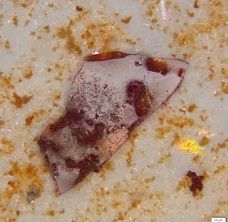
Polymer Fragment
Potential Source: Gasket, seal or adhesive material
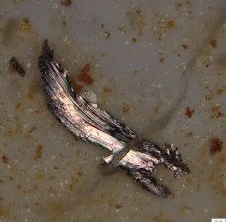
Metallic Wear Particle
Potential Source: Gear, bearing or steel component wear
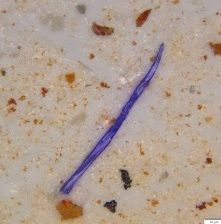
Synthetic Fibre
Potential Source: External contamination
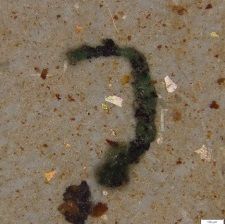
Sludge
Potential Source: Oil degradation or contamination
With our Filter Dissection analysis we will provide:
✔ High-resolution photographs
✔ Technician observations
✔ Particle identification
✔ Maintenance recommendations
Every Investigation is Different
No two filter investigations are the same. The type of equipment, operating conditions and the questions you're trying to answer all influence the level of analysis required.
Rather than offering a one-size-fits-all service, we work with you to understand your objectives and recommend the most appropriate level of testing. Whether you're investigating an unexpected failure, monitoring equipment condition or supporting a warranty claim, we'll tailor the examination to provide the information you need.
Following a brief discussion with our team, we'll provide a detailed quotation outlining the recommended testing, reporting and turnaround times.
What We'll Discuss
- Your equipment or machinery
- Filter type and application
- The reason for the investigation
- Any existing oil analysis results
- Additional testing requirements
- Reporting preferences
- Required turnaround time
Applications We Support
🚛 Commercial Fleets
🚜 Agricultural Machinery
🏗️ Construction Equipment
⛏️ Mining & Quarrying
⚙️ Manufacturing Plant
⚡ Power Generation
🚢 Marine Engines
🚂 Rail & Transport
Filter Dissection FAQ
What is filter dissection?
Filter dissection is the process of carefully opening and examining a used oil or hydraulic filter to inspect the debris trapped within the filter media. This debris can provide valuable insight into machine wear, contamination and lubricant condition, helping identify potential issues before they develop into costly failures.
Why should I have my filter analysed?
Oil filters capture particles that are often too large to remain suspended in the lubricant, meaning they may not appear during routine oil analysis. Filter dissection can reveal evidence of component wear, contamination and lubricant degradation, providing an additional level of condition monitoring for your equipment.
How does filter dissection complement oil analysis?
Oil analysis and filter dissection work together to provide a more complete picture of machine condition.
Oil analysis evaluates the condition of the lubricant and detects wear metals suspended within the oil, while filter dissection focuses on larger particles that have already been captured by the filter. Combining both techniques improves fault detection and supports more informed maintenance decisions.
What types of filters can be examined?
We can examine a wide range of oil, hydraulic and fuel filters from many different applications, including:
- Diesel engines
- Petrol engines
- Hydraulic systems
- Industrial gearboxes
- Compressors
- Marine equipment
- Heavy plant
- Construction Machinery
- Agricultural equipment
- Commercial vehicles
If you're unsure whether your filter is suitable for analysis, our team will be happy to advise.
What can filter analysis identify?
Depending on the condition of the filter and the application, filter dissection may identify:
- Metallic wear particles
- Bearing and gear wear
- Copper or bronze debris
- Aluminium wear particles
- Carbon deposits
- Sludge and varnish
- Dirt or silica contamination
- Water contamination
- Seal or gasket material
- External fibres and foreign debris
Every investigation is unique, and findings are interpreted alongside the operating history of the equipment where possible.
How much does filter dissection cost?
Unlike routine laboratory testing, filter dissection is tailored to your specific requirements.
The cost depends on factors such as:
- Filter type and size
- Number of filters submitted
- Level of investigation required
- Additional laboratory testing
- Reporting requirements
- Required turnaround time
Once we understand your requirements, we'll provide a clear, no-obligation quotation.
What information should I provide with my filter?
Providing additional information helps our laboratory interpret the findings more accurately. Useful information includes:
- Equipment type
- Manufacturer and model
- Filter type
- Hours in service
- Lubricant used
- Recent maintenance history
- Any known faults or concerns
- Previous oil analysis results (if available)
The more context we have, the more valuable your report will be.
Ready to Learn What's Inside Your Filter?
Whether you require a single filter inspection or an ongoing condition monitoring programme, our laboratory team can help.