LABORATORY OIL ANALYSIS
Oil Analysis for Machinery Condition Monitoring
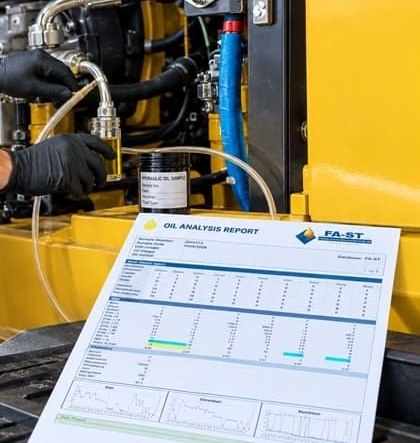
Understand the condition of your lubricant and gain valuable insight into the health of your equipment with laboratory oil analysis from FA-ST.
Oil analysis can help identify contamination, wear indicators and changes in lubricant condition, supporting informed maintenance decisions and helping you investigate potential equipment problems.
Laboratory analysis for engines, hydraulic systems, gearboxes and other industrial applications.
UNDERSTAND YOUR OIL
What Can Oil Analysis Tell You About Your Equipment?
Oil analysis provides valuable information about the condition of your lubricant and the machinery it protects. Laboratory testing can help identify contamination, wear indicators and changes in oil properties that may warrant further investigation.
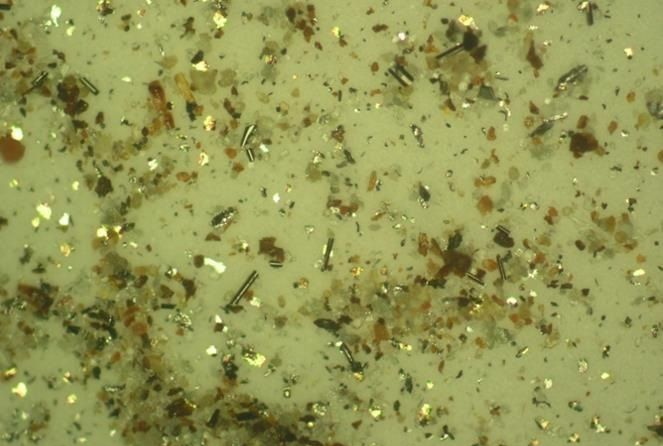
Identify Sign of Wear
Wear metals and particles in an oil sample can provide evidence of changes occurring within engines, gearboxes, bearings and other lubricated components.
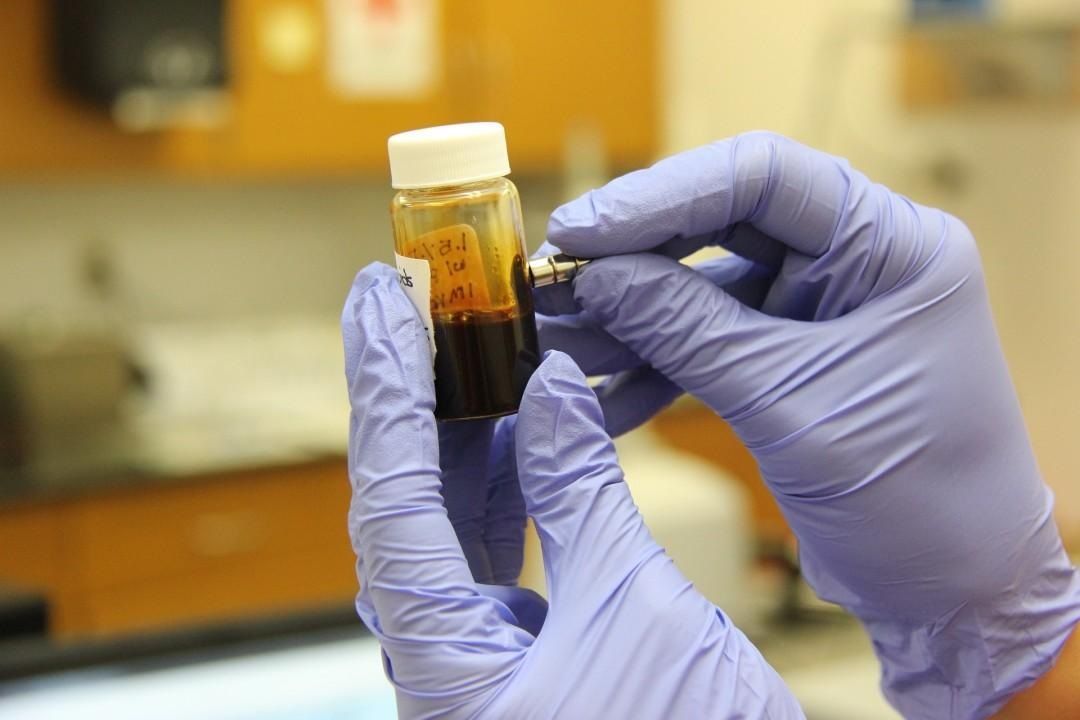
Detect Contamination
Appropriate tests can help identify water, dirt and other unwanted materials that may affect lubricant performance or equipment reliability.
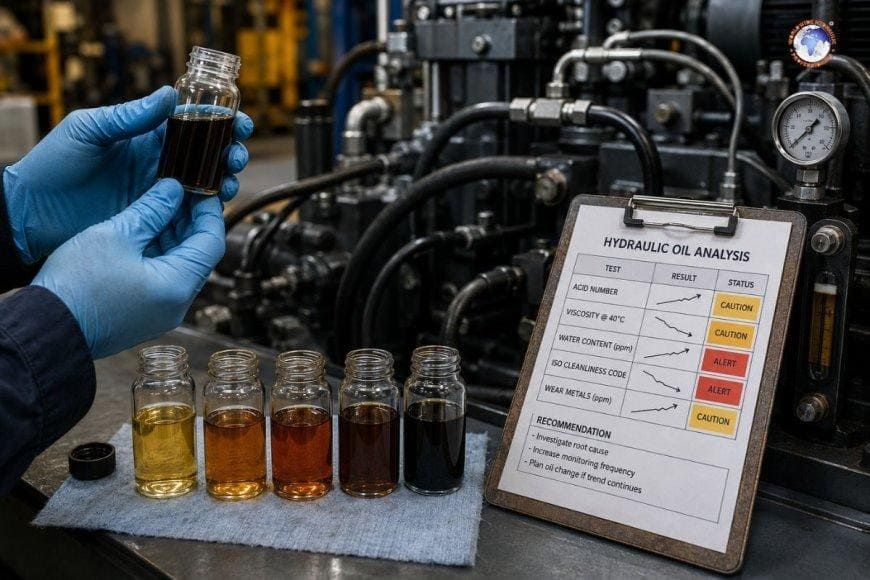
Assess Oil Condition
Testing can assess properties such as viscosity and other indicators of lubricant condition, helping establish whether the oil remains suitable for its application.
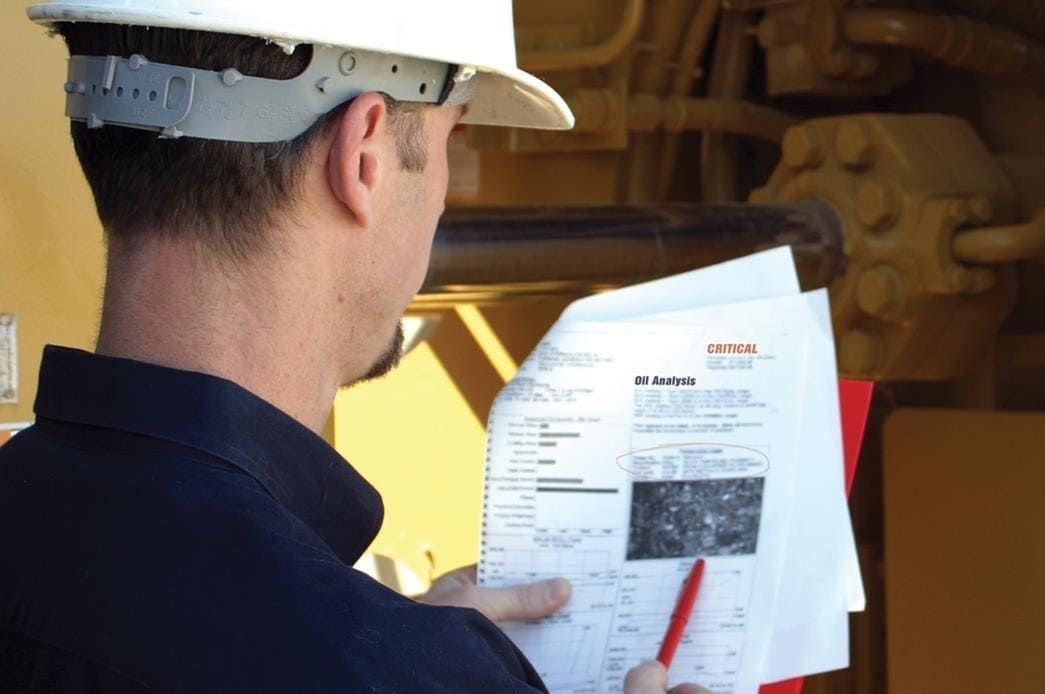
Recognise Developing Problems
Comparing results over time can help identify changing trends and provide an opportunity to investigate potential problems before they lead to more significant disruption.
The right analysis depends on your application.
Different equipment and lubricants require different approaches. Explore our oil analysis services to find options suited to your machinery.
OIL ANALYSIS BY APPLICATION
Choose Oil Analysis for Your Equipment
Different machines place different demands on their lubricants. Choose your application explore the oil analysis options that can help you monitor lubricant condition, identify contamination and recognise potential wear problems.
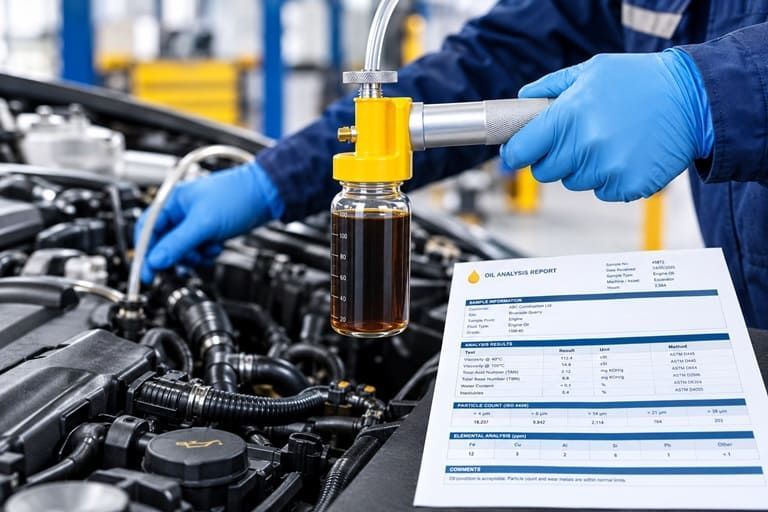
Engine Oil Analysis
Monitor engine lubricant condition, contamination and wear indicators to help assess engine health and support maintenance decisions.
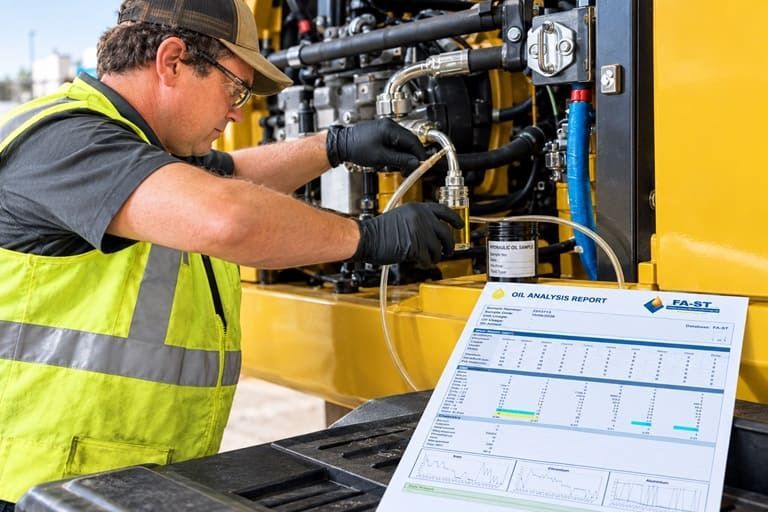
Hydraulic Oil Analysis
Investigate oil cleanliness, water contamination and wear indicators to help protect pumps, valves and other hydraulic components.
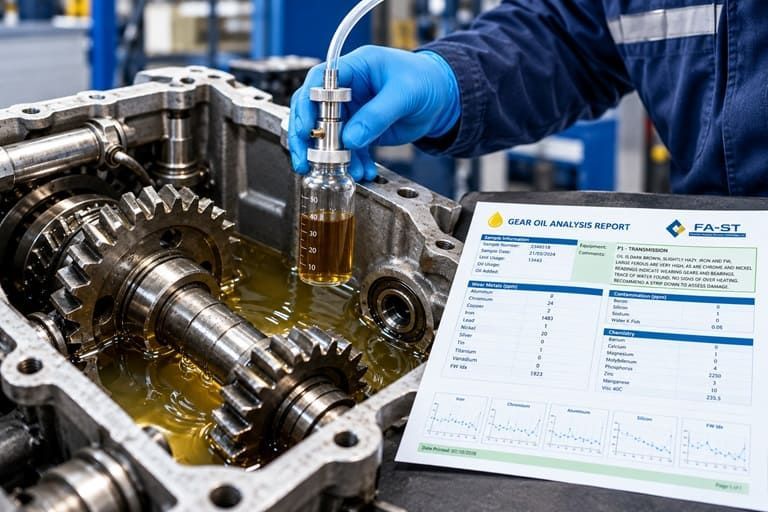
Gear Oil Analysis
Assess lubricant condition and wea-related indicators in industrial gearboxes to help identify developing issues and plan maintenance.
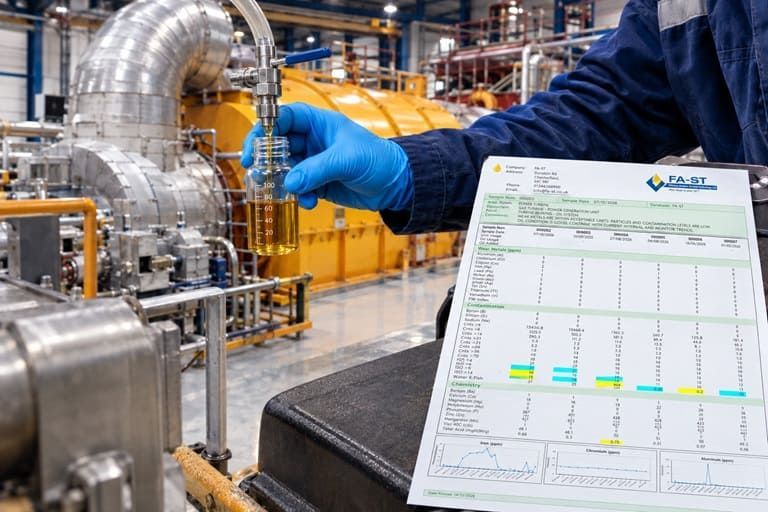
Turbine Oil Analysis
Monitor turbine lubricant condition and investigate issues such as contamination, oxidation and varnish potential where relevant to your service
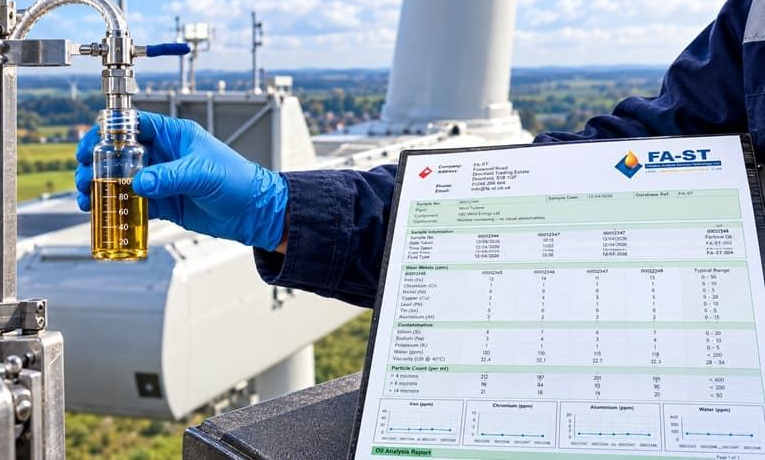
Wind Turbine Oil Analysis
Monitor gearbox and other lubricant condition to help assess wear, contamination and the ongoing condition of wind turbine equipment.
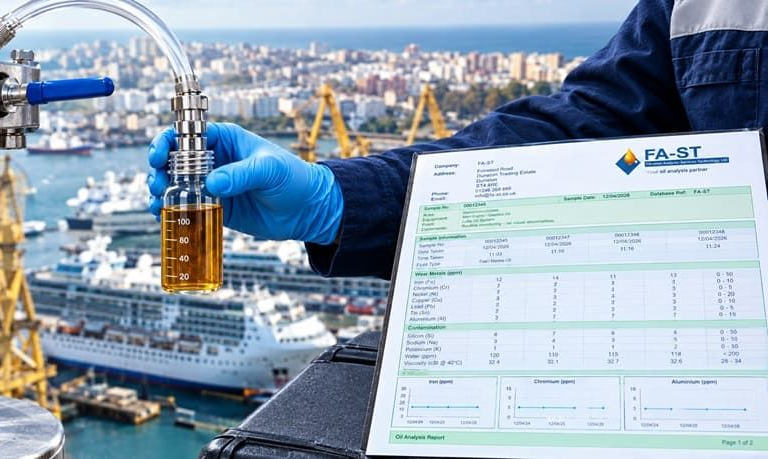
Marine Oil Analysis
Evaluate lubricant condition in marine engines and machinery to help investigate contamination, wear and changes in oil performance.
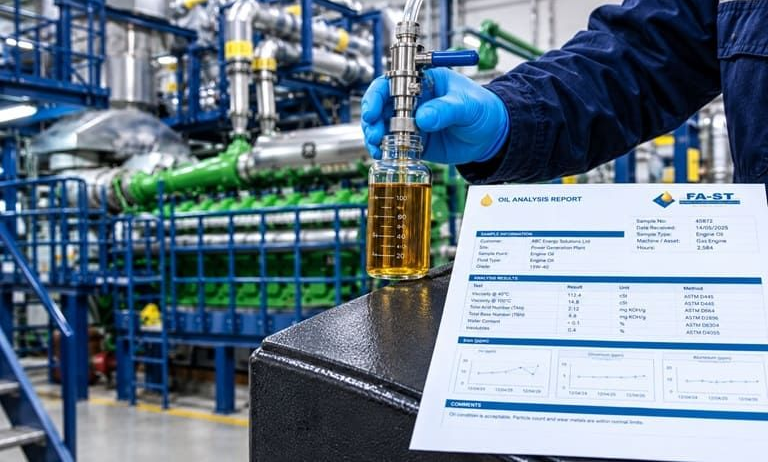
Gas Engine Oil Analysis
Track lubricant condition and relevant wear and contamination indicators in gas engines used for power generation and industrial applications.
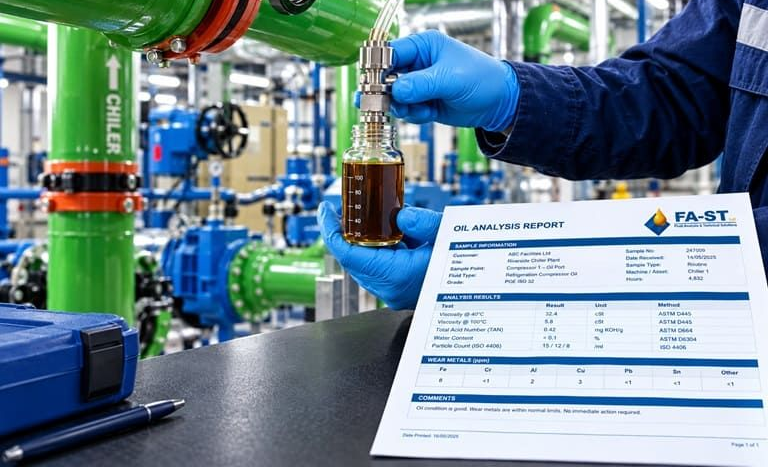
Chiller Oil Analysis
Assess chiller lubricant condition and investigate potential contamination or degradation that could affect reliable equipment operation.
Already know which oil analysis you need?
Browse the available laboratory oil analysis kits and choose the option that suits your equipment.
SHOP OIL ANALYSIS
Popular Oil Analysis Kits
Get your oil tested by a specialist laboratory. Choose a kit suited to your equipment, collect your oil sample and send it to FA-ST for analysis
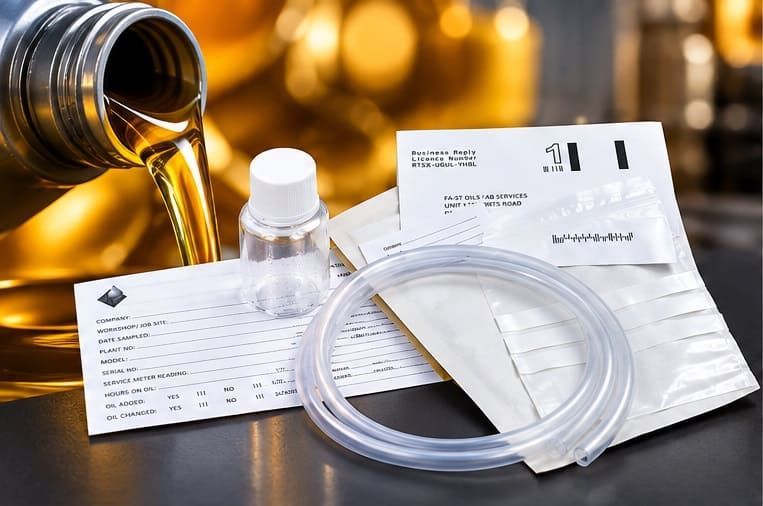
OIL ANALYSIS
Lube Oil Analysis Kit
A practical option for assessing lubricant condition, contamination and wear indicators in industrial machinery.
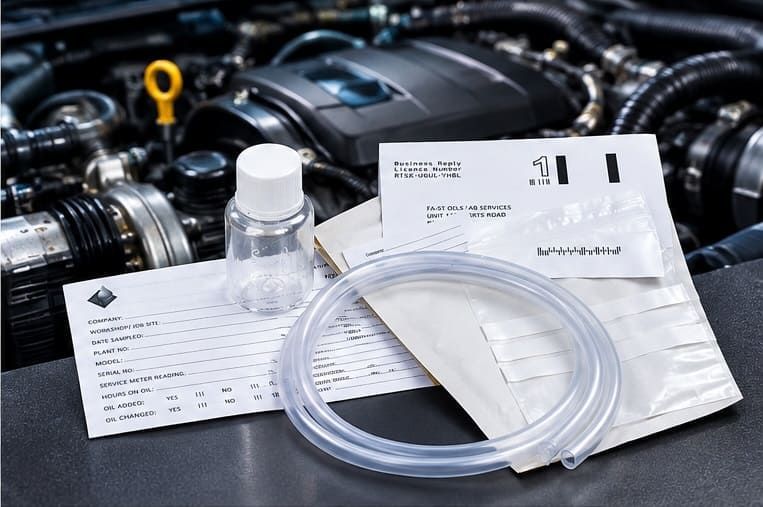
ENGINE OIL
Engine Oil Analysis Kit
Help monitor engine lubricant condition and identify indicators of wear, contamination or oil deterioration.
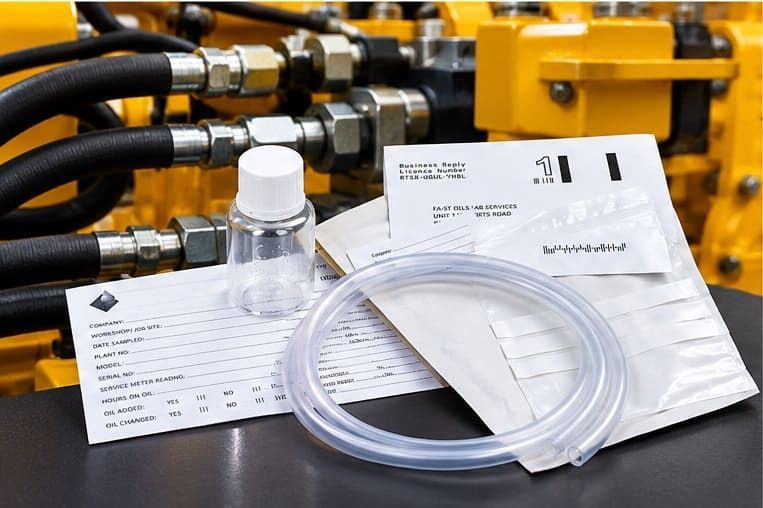
HYDRAULIC OIL
Hydraulic Oil Analysis Kit
Assess hydraulic oil condition and investigate contamination and wear indicators that may affect system reliability.
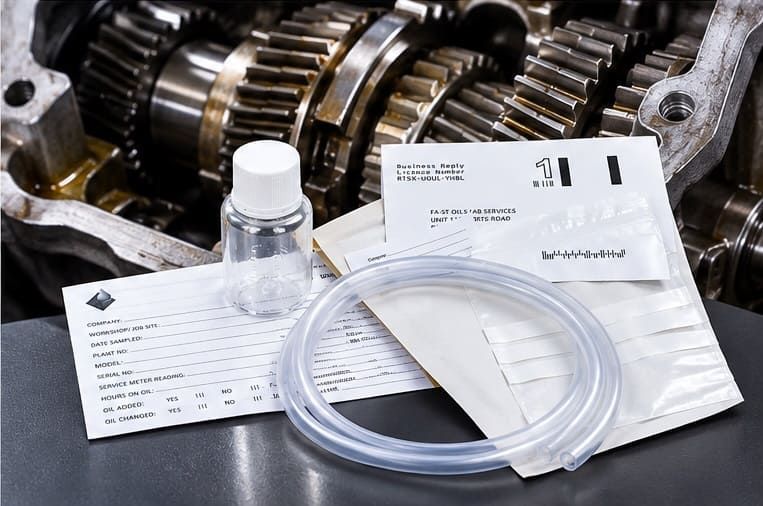
GEAR OIL
Gear Oil Analysis Kit
Monitor lubricant condition and relevant wear indicators to support gearbox maintenance and condition monitoring.
Looking for turbine, marine, wind turbine or other specialist oil analysis?
APPLICATION-SPECIFIC OIL ANALYSIS
Oil Analysis for Different Equipment & Applications
Different machines place different demands on their lubricants. Oil analysis can help identify changes in oil condition, contamination and wear before they develop into more serious equipment problems.
From wind turbines and marine equipment to engines, hydraulic systems and industrial machinery, the right sampling and analysis programme can provide valuable information about the condition of both the lubricant and the equipment it protects.
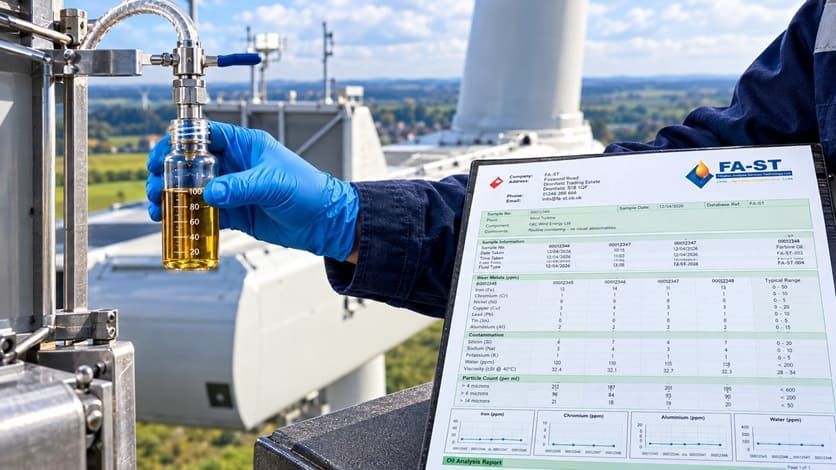
WIND TURBINES
Wind Turbine Oil Analysis
Wind turbine gearboxes , bearings and other lubricated components operate under demanding condition, contamination and wear to support condition-based maintenance.
- Monitor gearbox and bearing wear
- Identify contamination and lubricant degradation
- Support condition monitoring programmes
- Help identify developing problems earlier
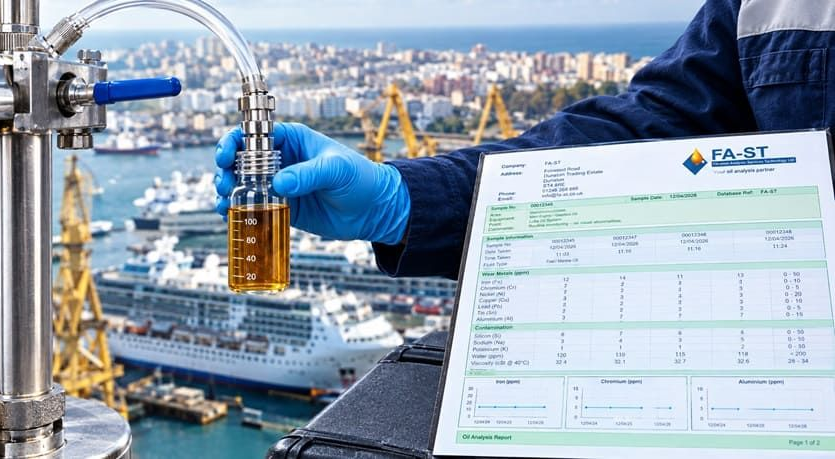
MARINE
Marine Oil Analysis
Marine engines, gearboxes and hydraulic systems rely on lubricants operating in demanding environments. Oil analysis provides information that can help monitor lubricant condition, contamination and component wear.
- Monitor engine and gearbox condition
- Identify wear metals and contamination
- Assess lubricant condition
- Support planned and condition-based maintenance
GAS ENGINES
Gas Engine Oil Analysis
Gas engines can place significant demands on their lubricants. Routine analysis can help monitor oil condition, combustion-related changes, contamination and wear, providing useful information for ongoing engine condition monitoring.
- Monitor lubricant condition
- Identify wear and contamination
- Monitor oxidation and nitration
- Support engine condition monitoring
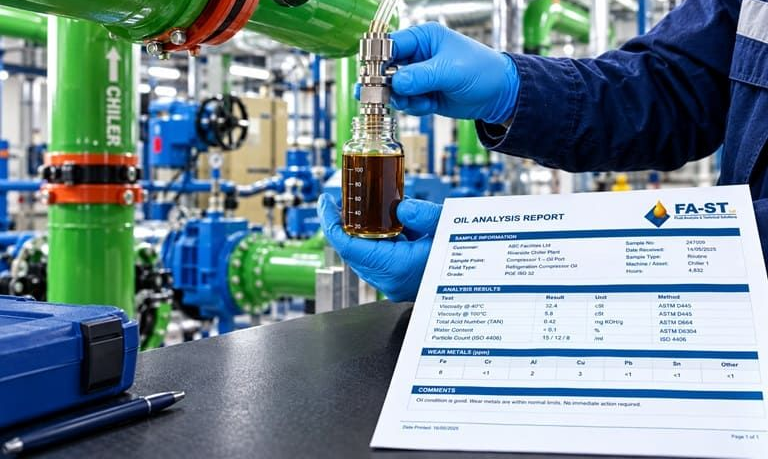
INDUSTRIAL MACHINERY
Industrial & Manufacturing Equipment
Oil analysis can be used across a wide range of industrial equipment, including gearboxes, compressors, hydraulic systems, pumps and other critical machinery.
- Monitor equipment wear
- Identify contamination
- Assess lubricant condition
- Support predictive maintenance strategies
Not sure which analysis is right for your equipment?
Our team can help you select the appropriate oil analysis tests based on your equipment, lubricant, application and maintenance requirements.
WHAT CAN OIL ANALYSIS REVEAL?
More Than Just a Check on Oil Condition
A lubricant sample can provide valuable information about the condition of both the oil and the equipment in which it is operating
By analysing properties such as wear metals, contamination, viscosity and lubricant degradation, oil analysis can help identify changes that may otherwise go unnoticed until they develop into more significant problem.
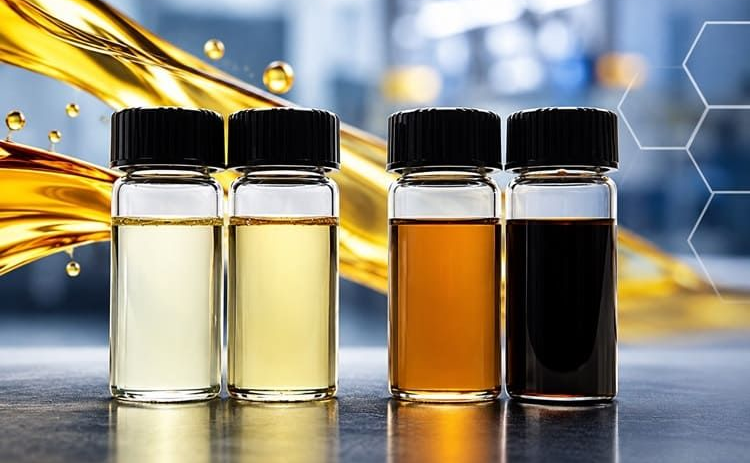
Oil Condition
Analysis can help determine whether the lubricant is still suitable for continued use and identify signs of degradation or changes in its physical and chemical properties.
- Viscosity changes
- Oxidation and lubrication degradation
- Changes in additive condition
- Evidence of thermal or chemical stress
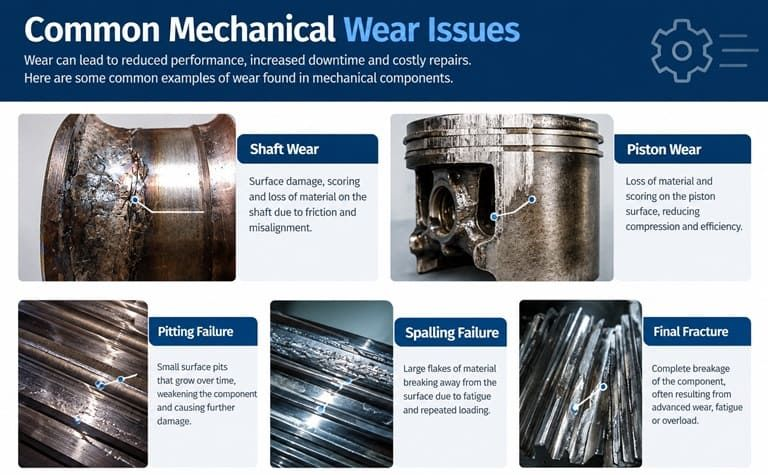
Wear & Component Condition
Wear particles carried within the lubricant can provide clues about what is happening inside the equipment and help identify changes in component condition.
- Wear metals and particles
- Changes in wear trends
- Potential component deterioration
- Early indications on abnormal wear
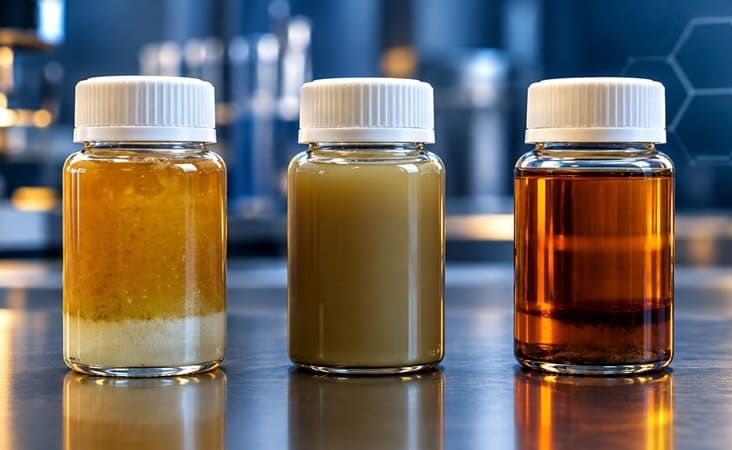
Contamination
Contamination can affect lubricant performance and accelerate equipment wear. Analysis can help identify unwanted materials entering or developing within the lubrication system.
- Dirt and particulate contamination
- Water and moisture
- Coolant or process-fluid contamination
- Changes in cleanliness levels
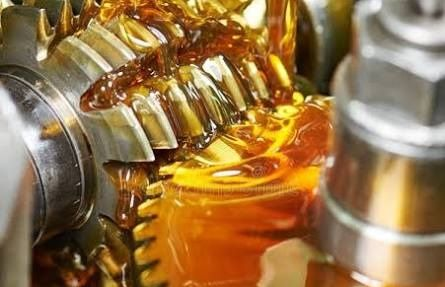
Additive & Lubrication Performance
Lubricant additives are designed to protect equipment and maintain oil performance. Analysis can help monitor additive condition and identify changes that may affect lubricant performance
- Depletion of additive elements
- Changes in lubricant chemistry
- Evidence of additive in reaction
- Potential lubricant performance issues
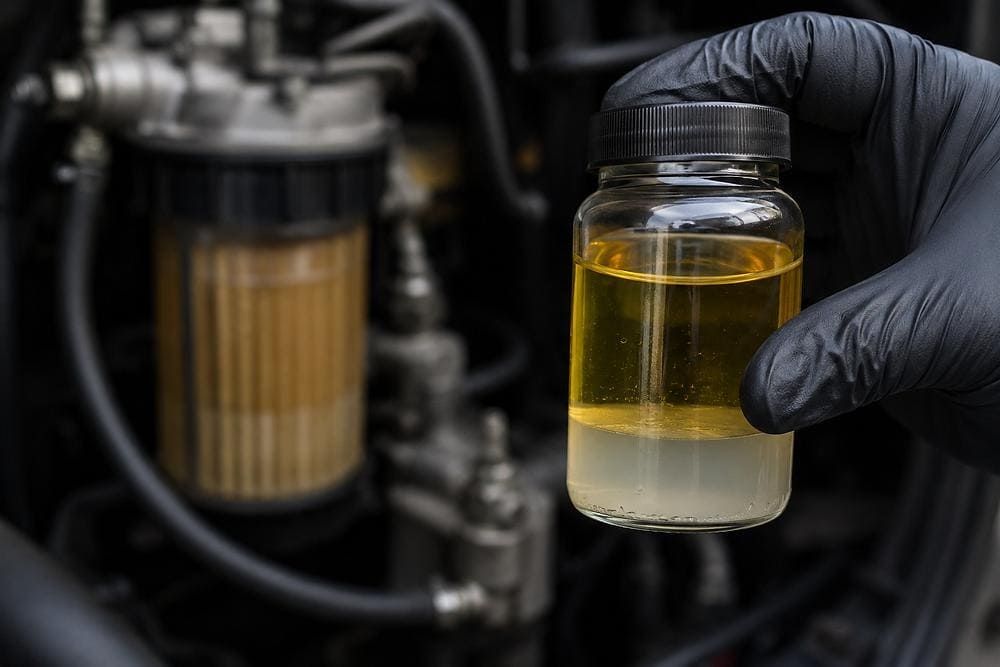
Water & Moisture
Even relatively small amounts of water can have an impact on lubricant performance and equipment condition. Testing can help identify the presence and level of moisture within the oil.
- Detect water contamination
- Monitor changes over time
- Identify potential ingress problems
- Support contamination control
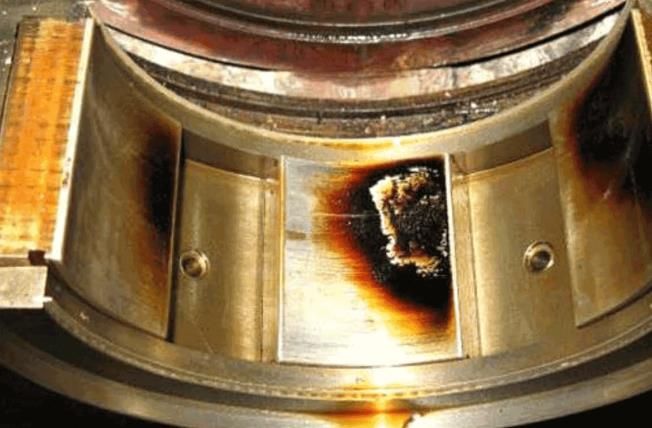
Varnish & Deposits
Specialist testing can identify indicators associated with varnish formation and helps assess the potential for deposits to affect critical lubricated components.
- Assess varnish potential
- Identify deposits-forming conditions
- Support turbine and hydraulic monitoring
- Help investigate lubricant-related issues.
Trends are often more valuable than a single result
Regular sampling allows results to be compared over time. Establishing a history for each machine can make changes in oil condition, contamination or wear easier to identify and investigate.
Need help choosing the right oil analysis tests?
The most useful analysis depends on the equipment, lubricant, operating conditions and reason for testing.
OIL ANALYSIS TESTING
Oil Analysis Tests to Understand Lubricant & Equipment Condition
The right combination of laboratory tests can provide a detailed picture of lubricant condition, contamination and equipment wear.
Analysis requirements vary depending on the equipment, lubricant, operating conditions and reason for testing. Our laboratory analysis can therefore be tailored to provide the information most relevant to your application.
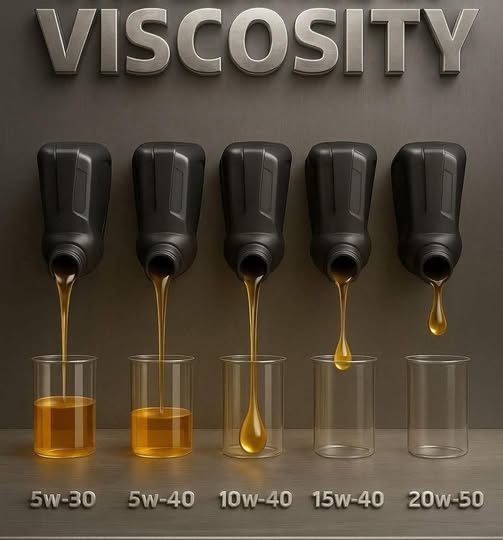
Viscosity
Viscosity is one of the most important properties of a lubricant. Testing can identify changes that may indicate contamination, degradation or the use of an incorrect lubricant.
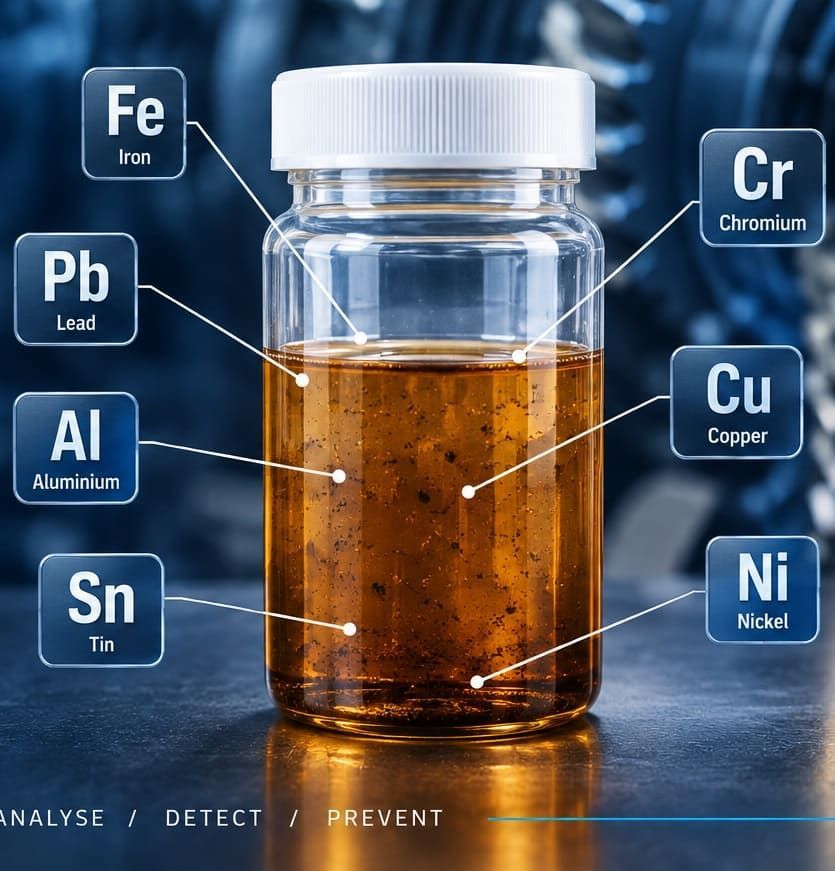
Wear Metals
Wear Metal analysis can help identify changes in component wear and provide useful evidence of what may be happening inside a lubricated machine.
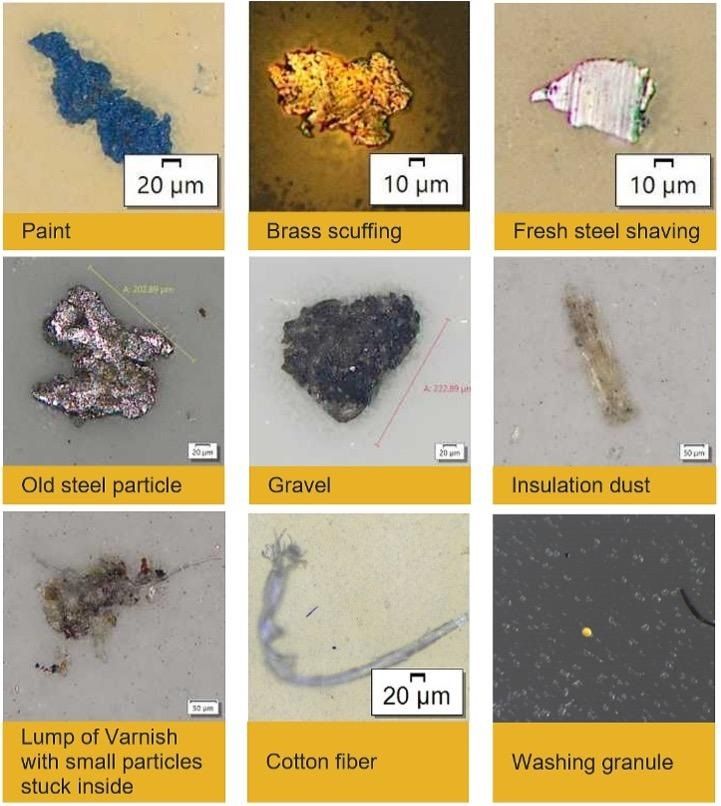
Contamination & Particle Analysis
Contamination testing can identify unwanted particles and materials within the lubricant, helping assess cleanliness and potential sources of contamination
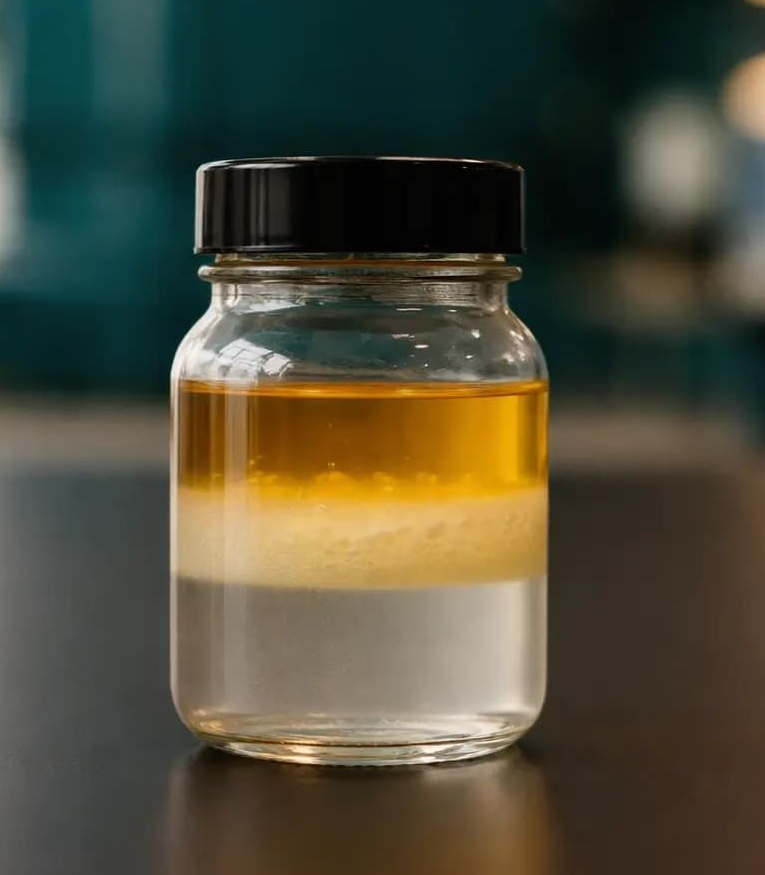
Water & Moisture
Water contamination can affect lubricant performance and contribute to corrosion, wear and lubricant degradation. Testing can help identify and monitor moisture within the oil.
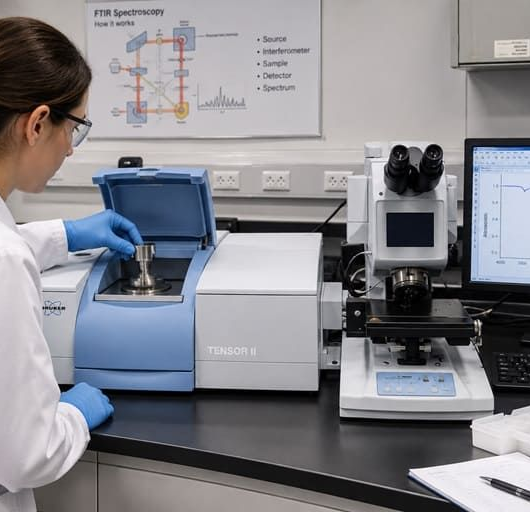
FTIR Analysis
FTIR analysis can provide information about lubricant degradation and identify indicators associated with oxidation, contamination and other changes in the oil.
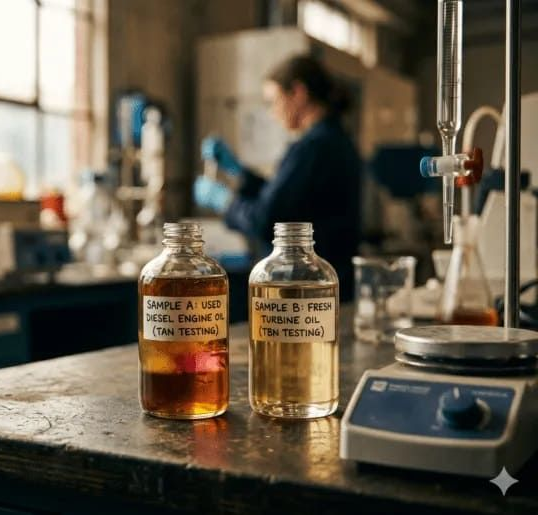
TAN & TBN
Total Acid Number and Total Base Number can help assess changes in lubricant chemistry and are particularly useful when monitoring oils where acidity or reserve alkalinity is important.
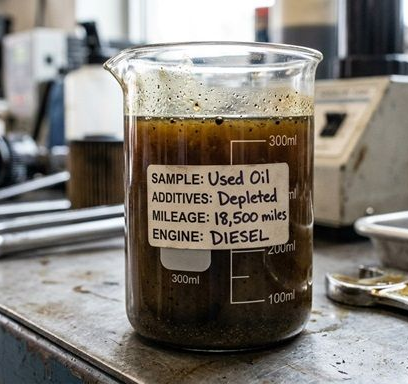
Additive Analysis
Analysis of additive elements can help monitor lubricant chemistry, identify changes over time and support lubricant condition monitoring
SPECIALIST OIL ANALYSIS
Varnish Potential Analysis
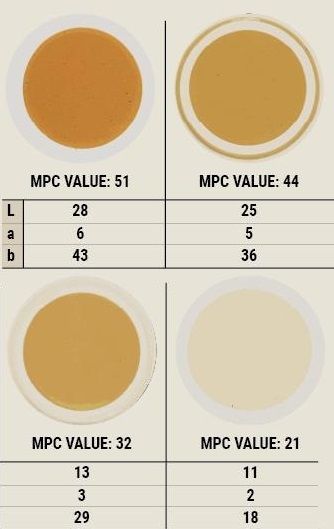
Specialist Varnish Testing can assess the potential for varnish formation in lubricating oil. This can be particularly important for turbines and other critical systems where deposits can affect component operation.
Which oil analysis tests do you need?
There is no single analysis package that is right for every machine. The most appropriate tests depend on the lubricant, equipment type, operating environment and the problems you are looking to monitor or investigate.
Let us help you choose the right analysis
If you are unsure which tests are appropriate for your application, speak to our team before sending a sample.
FROM SAMPLE TO ACTION
How the Oil Sampling & Analysis Process Works
Effective oil analysis starts with a representative sample. From selecting the right sampling point through to laboratory testing and reviewing the results, every stage contributes to the quality and usefulness of the information obtained.
A consistent sampling process also makes it easier to compare results over time and identify changes in lubricant equipment condition.
STEP 1
Select the Sampling Point
Choose a representative sampling location that provides useful information about the condition of the lubricant and equipment
- Use a consistent sampling location
- Consider accessibility and safety
- Avoid locations where the sample may be unrepresentative
STEP 2
Collect a Representative Sample
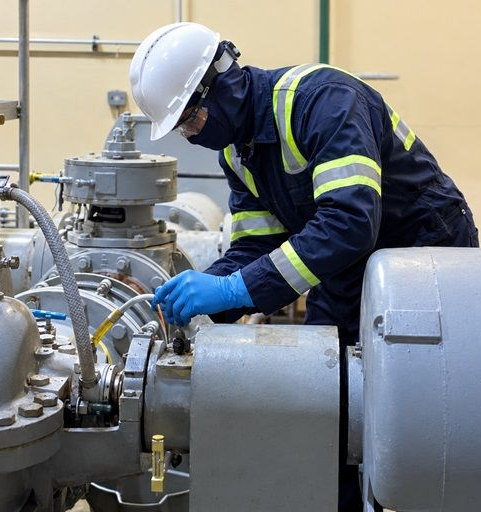
Collect the sample using a suitable bottle, pump, tubing, valve or sampling connection while taking care to minimise external contamination.
- Use clean sampling equipment
- Use the correct sampling container
- Follow consistent sampling procedure
STEP 3
Send the Sample for Analysis
Once collected, the sample can be submitted for the analysis tests appropriate to the equipment, lubricant and monitoring requirements.
- Identify the machine and lubricant
- Provide relevant operating information
- Select the appropriate package or tests.
STEP 4
Laboratory Analysis
The sample is tested using selected laboratory methods to assess lubricant condition, contamination, wear and other relevant characteristics.
- Laboratory Testing of the sample
- Measurement against appropriate parameters
- Results recorded for review and trending
STEP 5
Review the Results
Analysis results can then be reviewed alongside previous samples, equipment history and operating conditions to identify significant changes or developing trends.
- Compare results with previous samples
- Identify changes and trends
- Investigate abnormal results
STEP 6
Take Action
The information obtained from oil analysis can help support maintenance decisions, further investigation and ongoing condition monitoring.
- Investigate unusual changes
- Plan appropriate maintenance
- Continue monitoring equipment condition
Good Analysis starts with a good sample
Even sophisticated laboratory testing relies on the sample being representative of the lubricant and equipment condition. Using the correct sampling point, clean equipment and a consistent sampling method can help reduce the risk of misleading results.
Everything You Need to Collect an Effective Oil Sample
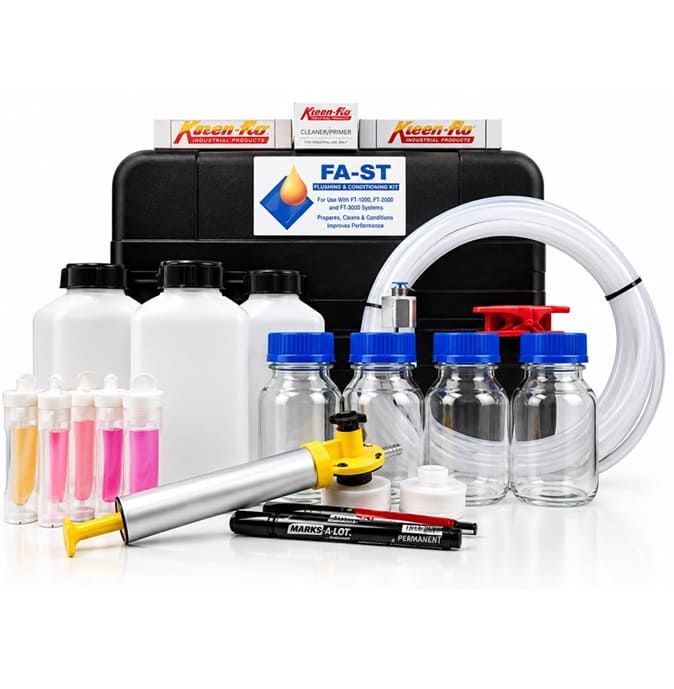
The equipment required sampling point and type of lubricant. From bottles and containers to sample pumps, valves and complete sampling kits, choosing the right equipment helps make routine sampling cleaner, easier and more respectable.
Start building a reliable oil analysis programme
Whether you are introducing oil analysis for the first time or improving an existing programme, we can help with sampling equipment and laboratory analysis.
WHY CHOOSE FA-ST
Oil Analysis Backed by Practical Experience
Effective oil analysis is about more than laboratory testing. The quality of the sample, the equipment it comes from and the way the results are interpreted all play an important role. FA-ST brings together oil sampling, laboratory analysis and practical experience to help you get more value from your oil analysis programme.
Practical Oil Analysis Support
Oil analysis is most useful when laboratory results are considered alongside the equipment, lubricant and operating conditions involved.
- Practice approach to oil condition monitoring
- Support from sampling through to analysis
- Focus on useful actionable information
A Wide Range of Analysis Options
Different applications require different information. Selecting the appropriate tests can help identify lubricant degradation, contamination and signs of component wear.
- Lubricant condition testing
- Wear and contamination analysis
- Specialist oil analysis where required
Application-Focused Analysis
The right analysis depends on the equipment being monitored. Oil analysis can be used across a wide range of industrial and mobile applications.
- Industrial machinery
- Wind turbines and energy equipment
- Marine and gas engine applications
Clear & Useful Results
Laboratory data is only valuable when it can help you understand what is happening with your lubricant and equipment.
- Understand changes in oil condition
- Identify potential contamination and wear
- Support informed maintenance decisions
Build Reliable Oil Analysis Trends
Regular sampling from the same equipment and sampling location makes it easier to compare results over time and identify changes in condition.
- Establish a sampling baseline
- Monitoring changes over time
- Identify developing trends
Support from Sampling to Analysis
Getting a representative sample is an important part of the overall process. FA-ST can help you consider the sampling equipment and approach required for your application.
- Sampling bottles and containers
- Sampling kits, pumps valves
- Oil analysis services
FROM SAMPLE TO DECISION
Make Your Oil Analysis Programme Work Harder
Reliable oil analysis starts with a representative sample and continues through laboratory testing, result interpretation and ongoing trend monitoring.
01
Sample
Collect a representative sample.
02
Analyse
Test the oil for relevant parameters
03
Understand
Review the results and trends
04
Act
Use the information to support maintenance decisions.
NEED HELP WITH OIL ANALYSIS
Speak to Our Team About Your Oil Analysis Requirements
Whether you are starting an oil analysis programme, reviewing your current sampling process or looking for a specific analysis, we can help you identify the next step.
GET STARTED WITH OIL ANALYSIS
Build a More Effective Oil Analysis Programme
Whether you are introducing oil analysis for the first time or looking to improve an existing sampling programme, the right combination of sampling equipment and laboratory analysis can provide valuable information about the lubricant and equipment condition.
01
Identify Your Equipment
Start by identifying the equipment and lubricant you want to monitor. Different machines and applications can require different sampling methods and analysis requirements.
02
Choose the Right Sampling Method
A representative sample is essential for meaningful analysis. Consider the sampling point, fluid type, access and required sample volume when selecting your sampling equipment.
03
Collect a Representative Sample
Use clean sampling equipment and consistent sampling procedure to help reduce contamination and produce comparable results over time.
04
Select the Appropriate Analysis
Choose analysis based on the equipment, lubricant and information you need to obtain. Testing can help assess oil condition, contamination and signs of wear.
05
Monitor Results Over Time
Repeated sampling from the same equipment and sampling location allows results to be compared and trends to be identified as conditions change.
OIL SAMPLING EQUIPMENT
Everything You Need to Collect an Oil Sample
The sampling method can have a significant effect on the quality of the sample. Choose equipment designed around your application, sampling location and fluid.
01
Sampling Kits
Convenient equipment for collecting representative oil samples.
02
Sample Pumps
Pumps and adaptors for accessing oil sampling points and containers
03
Sample Valves
Fixed sampling points for repeatable and convenient sample collection
04
Bottles & Containers
Sampling containers for collecting and preparing samples for analysis.
READY TO GET STARTED?
Start Turning Oil Samples Into Useful Equipment Information
From selecting the right sampling equipment to choosing the appropriate oil analysis, FA-ST can help you develop a practical approach to monitoring lubricant and equipment condition.
OIL ANALYSIS FAQs
Frequently Asked Questions About Oil Analysis
Find answers to some of the most common questions about oil sampling, laboratory analysis, test selection and monitoring condition.
What is Oil Analysis
Oil analysis is the laboratory examination of a lubricant sample to assess its condition, lubricant degradation or component wear.
Regular oil analysis can help establish a history of lubricant and equipment condition, allowing results to be compared over time and changes to be identified.
Why is oil analysis important
Oil analysis can provide information about both the lubricant and the equipment in which it is operating. Testing can help identify changes in oil condition, contamination and wear before they become more significant problems.
When samples are taken consistently, oil analysis can also help build trends that support condition monitoring and maintenance decisions.
How often should oil be sampled?
Sampling frequency depends on the equipment, application, lubricant, operating conditions and the purpose of the oil analysis programme.
The important principle is consistency, taking samples at suitable intervals and using the same sampling location and procedure makes it easier to compare results and identify developing trends.
What can oil analysis detect?
Depending on the analysis selected, laboratory testing can provide information about lubricant condition, contamination, water or moisture, wear particles, viscosity and other characteristics of the oil.
Specialist testing can also provide additional information for particular applications or concerns, such as varnish potential in turbine oils.
How do I collect an oil sample?
A representative sample should be collected from a suitable sampling location using clean sampling equipment and an appropriate container.
The sampling point, fluid type, sample volume and connection required should all be considered when selecting the sampling method.
Where appropriate, dedicated sampling points such as sample valves can make repeatable sampling easier.
How much oil is needed for analysis?
The required sample volume depends on the analysis being requested. Different laboratory tests can have different sample requirements.
If you are unsure how much oil to collect, check the requirements for the analysis you require before taking the sample.
What oil analysis tests should I choose?
The appropriate tests depends on the equipment, lubricant, operating environment and what you are trying to understand from the sample.
Common areas of analysis include lubricant condition, contamination, water, wear and other oil characteristics. Additional specialist testing may be appropriate where a specific issue or application requires further investigation.
Can oil analysis identify equipment wear?
Oil analysis can provide information that may indicate component wear by examining wear-related particles and changes within the lubricant.
Comparing results over time can be particularly useful because changes from an established baseline may provide an indication that equipment condition is changing.
Can oil analysis identify contamination
Yes. Depending on the analysis selected, testing can provide information about contamination within the lubricant, including particles and water moisture.
Identifying contamination can help highlight potential issues with the operating environment, equipment, seals, storage, handling or the sampling process itself.
Why is the sampling method important?
Laboratory analysis can only assess the sample that is submitted. If the sample is not representative of the lubricant in the equipment, the results may not provide a useful picture of actual operating conditions.
Using an appropriate sampling point, clean equipment and consistent procedure helps improve the reliability and comparability of results.
STILL HAVE QUESIONS?
Not Sure Which Oil Analysis You Need?
If you're unsure which tests, sampling equipment or sampling method is right for your application, speak to our team.
OIL SAMPLING & ANALYSIS
Get More From Your Oil Analysis Programme
From collecting a representative sample to selecting the right analysis, the right approach can provide valuable insight into lubricant and equipment condition
Whether you need help choosing an analysis, selecting sampling equipment or getting started with regular oil condition monitoring, our team can help find the right solution for your application.