What is Advanced Microscopy & LIBS Particle Analysis?
Understanding an unknown particle often requires more than simply looking at it.
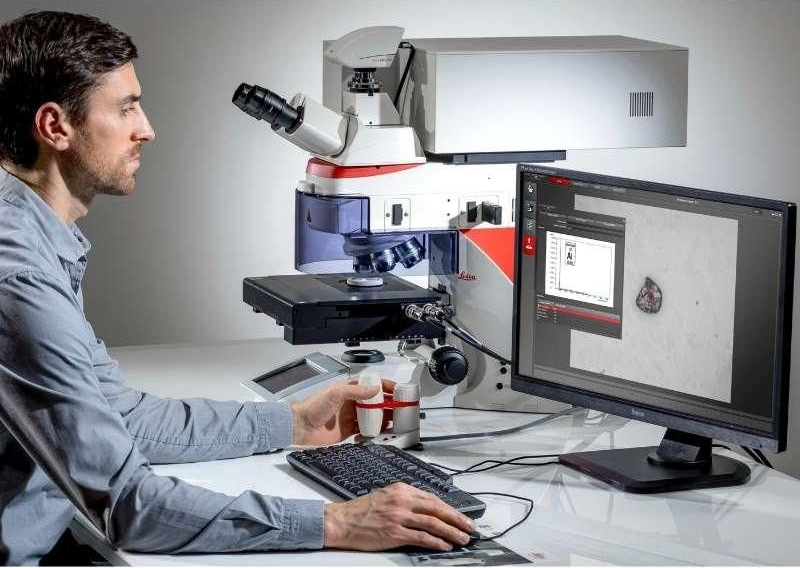
Our Advanced Microscopy & LIBS Particle Analysis service combines high-resolution microscopy with Laser-Induced Breakdown Spectroscopy (LIBS) to investigate individual particles and determine their physical characteristics and elemental composition.
By bringing these techniques together, we can help establish what a particle is, what it is made of and whether it may be associated with contamination, wear or a failure mechanism.
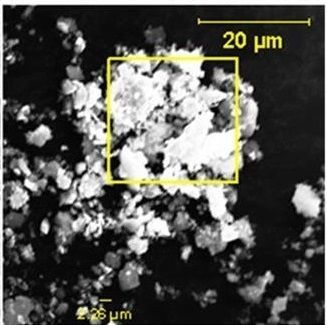
Advanced Microscopy
Examine particle size, shape, morphology, surface characteristics and other physical features at high magnification.
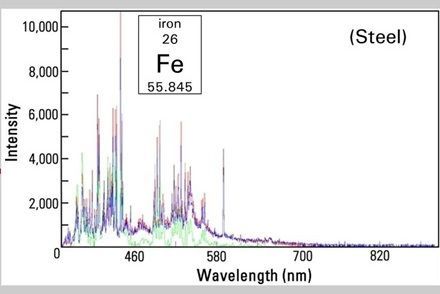
LIBS Elemental Analysis
Use a focused laser to generate a plasma and determine the elemental composition of the particle.
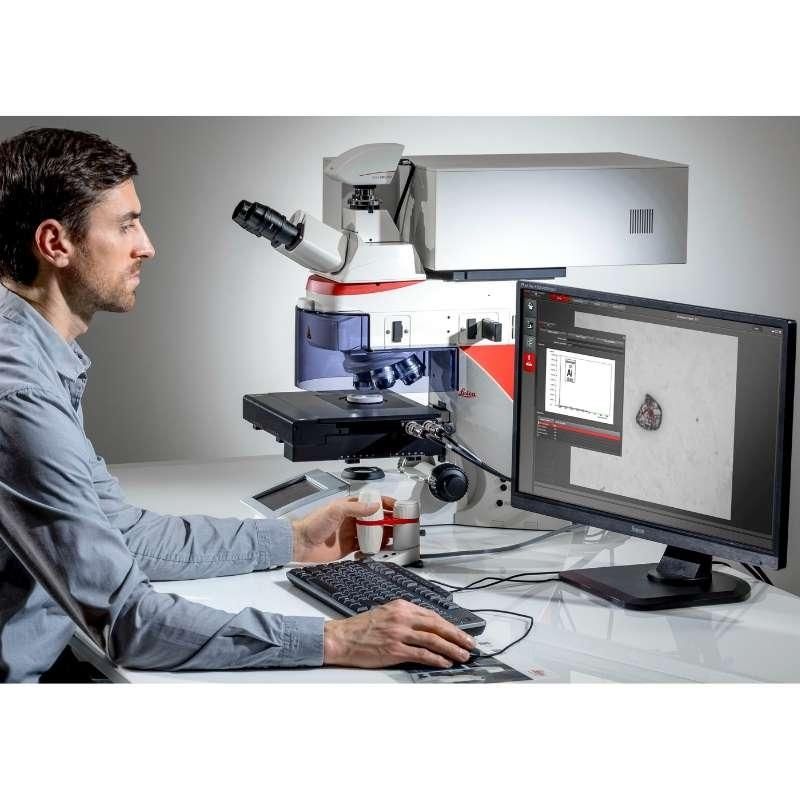
Combined Insight
Correlate physical and elemental information to build a clearer understanding of the particle and its potential origin.
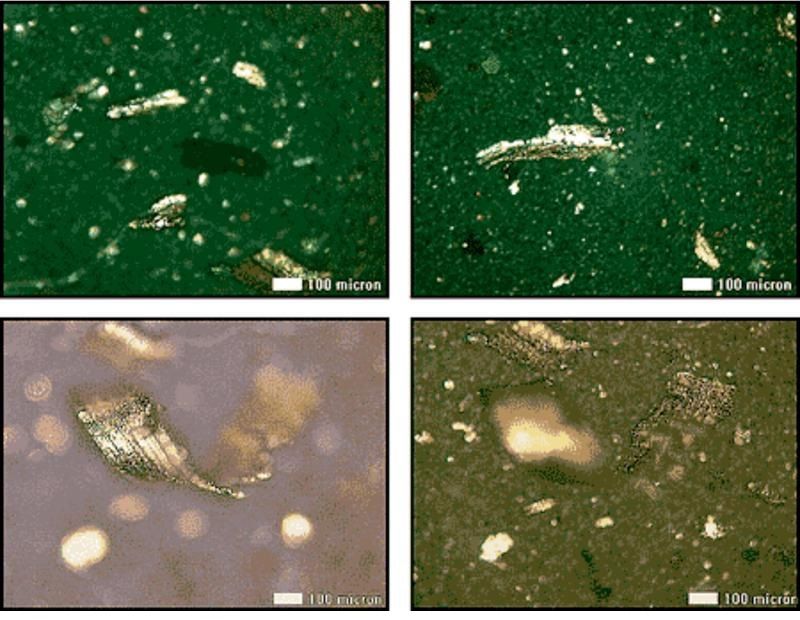
01 — Advanced Microscopy
See the particle in detail.
Microscopic examination provides the first layer of information about an unknown particle — revealing characteristics that may not be visible to the naked eye.
Individual particles can be examined at high magnification to assess their physical characteristics, morphology and surface features. This allows potentially significant particles to be identified and selected for further analysis.
✓
Particle size
Measure and characterise individual particles and fragments.
✓
Morphology
Assess shape, structure and overall particle form.
✓
Surface characteristics
Identify surface features, damage, deposits and irregularities.
✓
Evidence of wear or degradation
Look for features associated with wear, fracture or corrosion.
02 — LIBS Elemental Analysis
Discover what the particle is made of.
Microscopy shows us what a particle looks like. LIBS helps determine what it is made of.
Laser-Induced Breakdown Spectroscopy (LIBS) uses a focused laser pulse to create a small plasma on the surface of a particle. As the plasma cools, it emits light at wavelengths characteristic of the elements present.
By analysing this emitted light, we can identify the elemental composition of individual particles and compare the results with potential source materials.
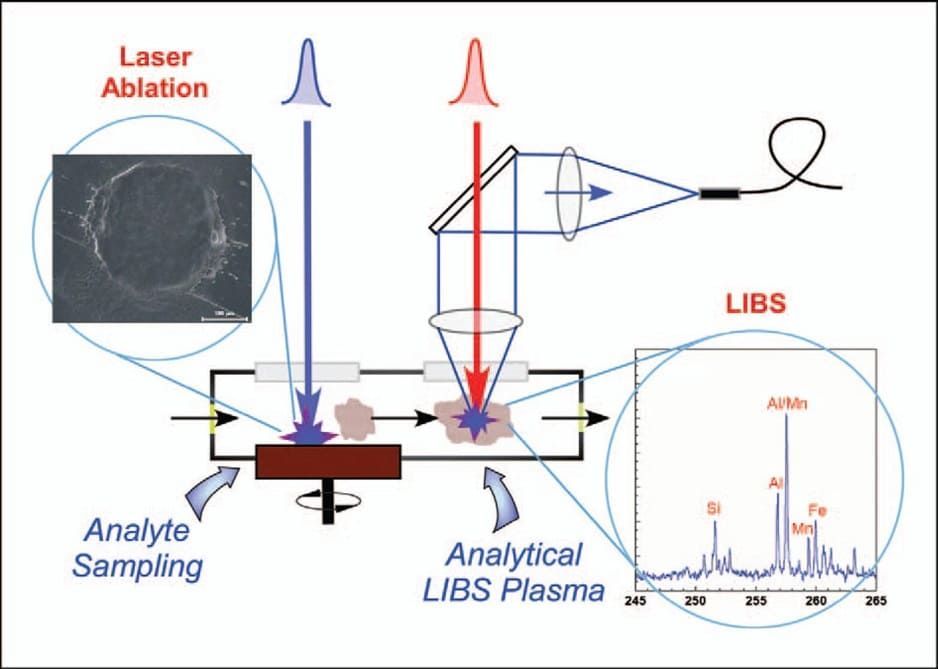
Elemental composition
Identify the elements present within an individual particle.
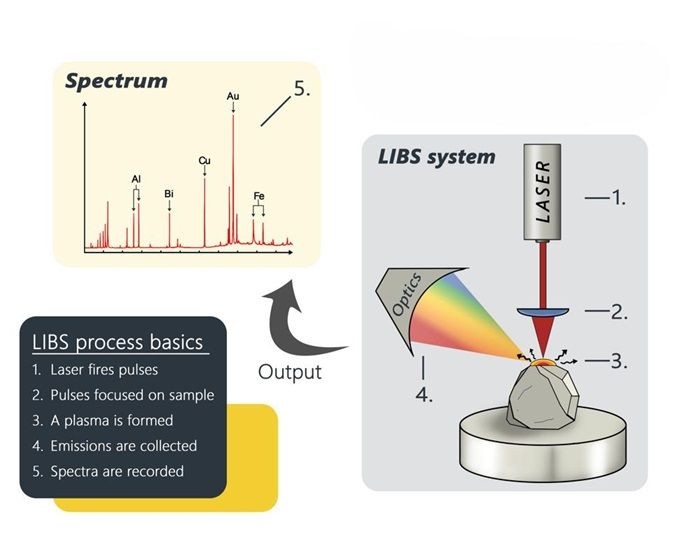
Material comparison
Compare particles with known materials and potential sources.
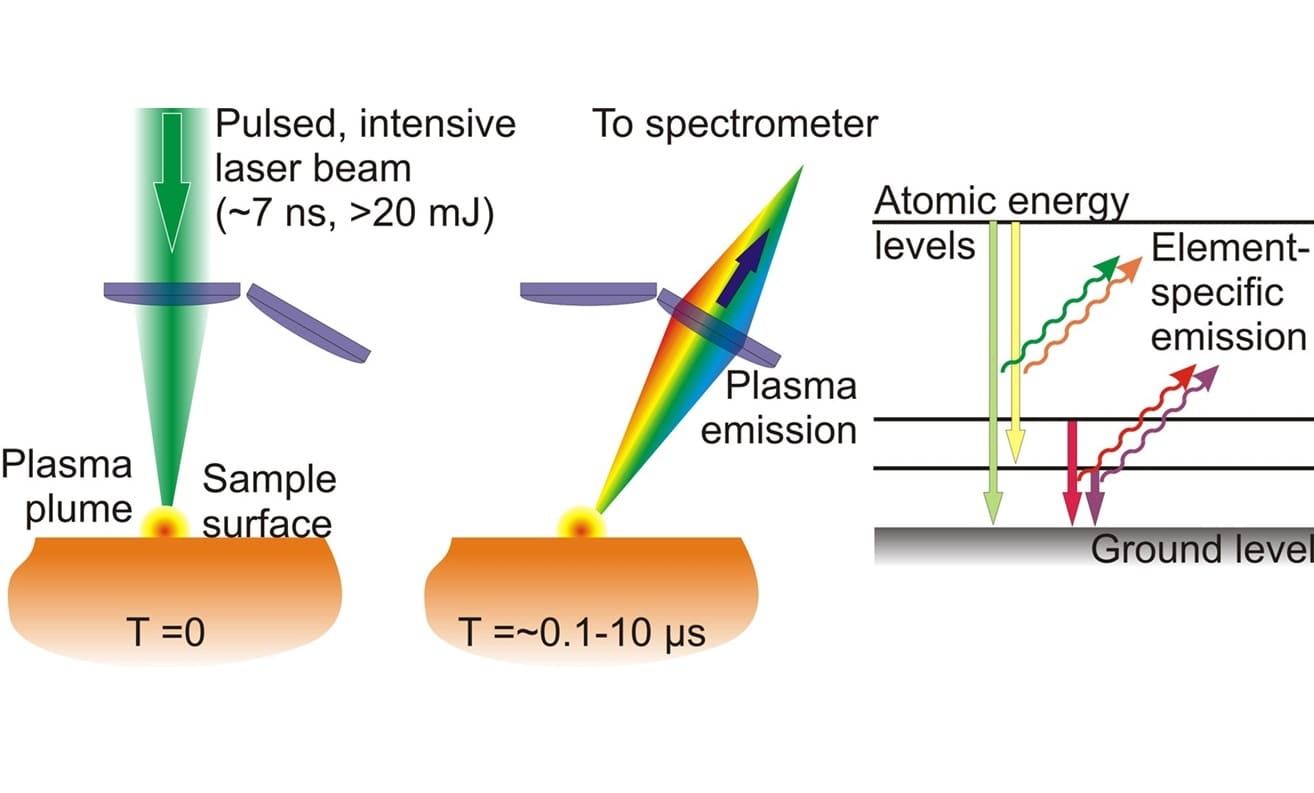
Individual particle analysis
Investigate specific particles rather than relying only on bulk samples.
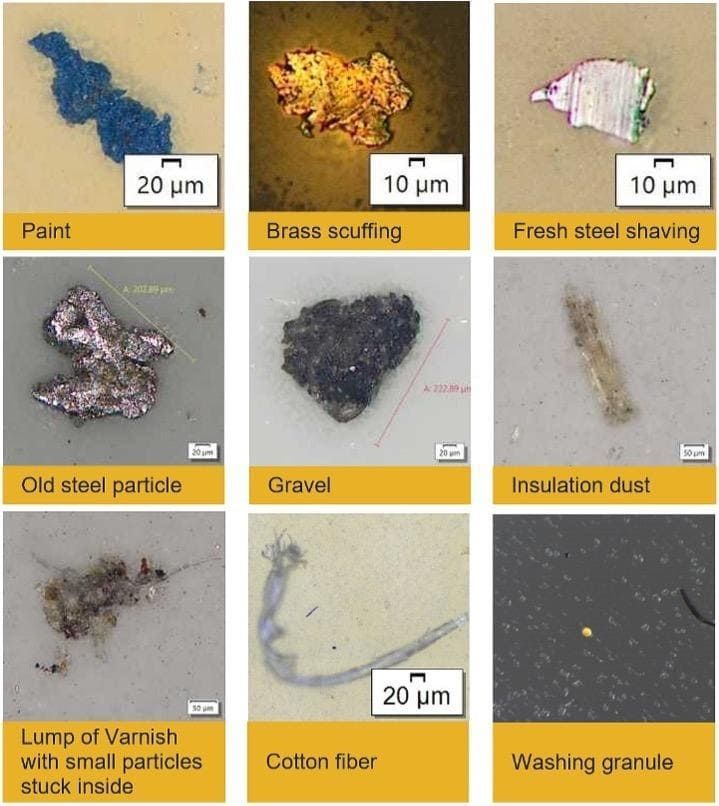
03 — Combined Analysis
One particle. More complete insight.
Microscopy tells you what a particle looks like. LIBS tells you what it contains. Used together, these techniques provide a more complete understanding of an unknown particle and its potential source.
Physical characteristics
Examine the particle's size, shape, morphology, surface features and evidence of wear, fracture or degradation.
Elemental composition
Use LIBS to identify the elemental signature of the particle and establish which materials or elements are present.
Source investigation
Combine physical and chemical evidence to help investigate where the particle may have originated and whether it is consistent with a suspected source.
Example Analysis
Turning an unknown particle into useful evidence.
An unknown metallic particle may appear relatively insignificant when viewed in isolation. Detailed microscopy and elemental analysis can reveal a much more informative picture.
For example, microscopy may identify an irregular metallic particle showing signs of abrasion, while LIBS may detect elements such as iron, chromium and nickel. Together, these observations can be compared with potential source materials and manufacturing components.
04 — What We Analyse
From contamination to material debris.
Individual particles can originate from many different sources. Our microscopy and LIBS analysis can help characterise unknown particulate material and provide evidence to support contamination, wear and materials investigations.
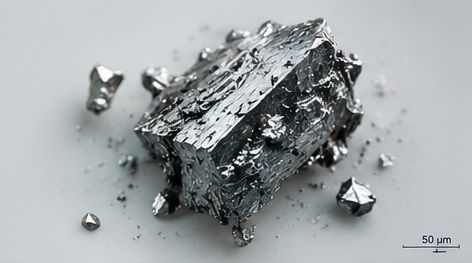
Metallic Particles
Investigate metallic particles, wear debris and fragments that may originate from components, machinery or manufacturing processes.
Wear debris · Metal fragments
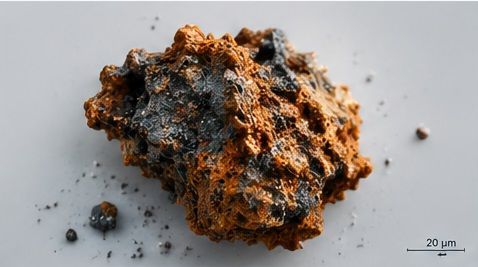
Corrosion Products
Characterise particles associated with corrosion, degradation and material breakdown to help investigate potential sources.
Oxides · Degradation
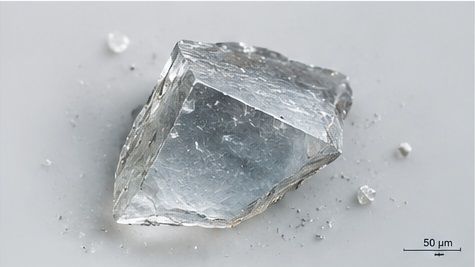
Material Fragments
Examine fragments of materials where their physical appearance and elemental composition may help establish their identity or origin.
Material debris · Fragments
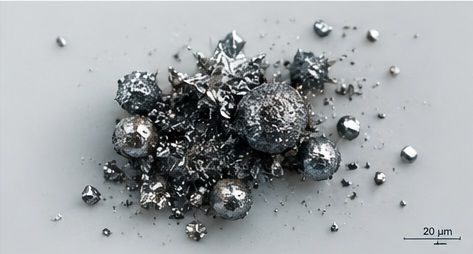
Manufacturing Residues
Analyse particulate residues associated with machining, processing, handling, assembly and other manufacturing activities.
Process residues · Machining debris
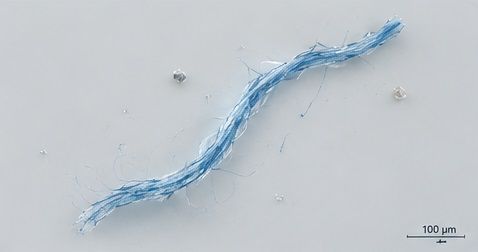
Foreign Particulate Matter
Investigate unexpected particles found within products, components, systems or controlled environments.
Contamination · Foreign matter
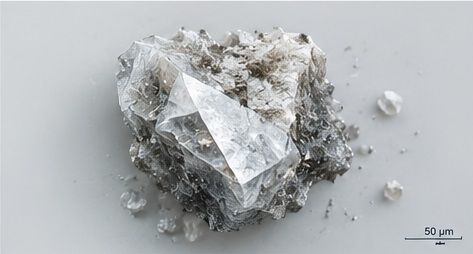
Mineral & Inorganic Particles
Characterise inorganic and mineral-based particles using their morphology and elemental composition.
Minerals · Inorganic debris
Don't know what the particle is? That's where our analysis can help.
05 — Our Analysis Process
From sample to meaningful results.
Every analysis is approached systematically, combining detailed microscopic examination with elemental analysis to build a clear picture of the particles present and their potential source.
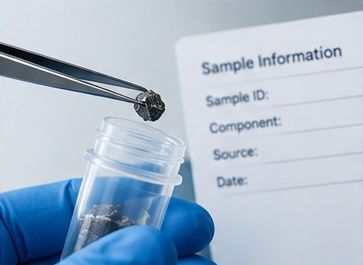
Sample Submission
Submit your particle, component or sample for assessment. We review the available information and establish the most appropriate analytical approach.
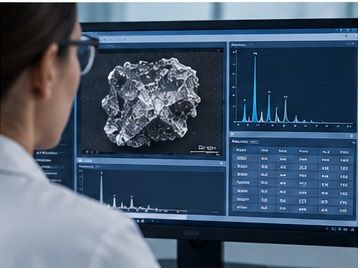
Initial Assessment
We examine the sample and available background information to determine the most suitable analysis strategy.
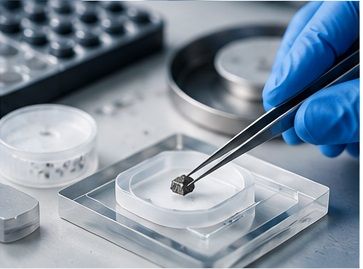
Sample Preparation
Where required, particles are carefully prepared or isolated so that individual features can be examined and analysed.
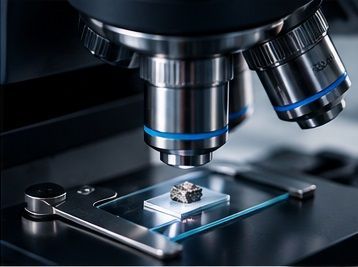
Microscopic Examination
Particles are examined at appropriate magnification to assess size, morphology, surface characteristics and visible evidence of wear or degradation.
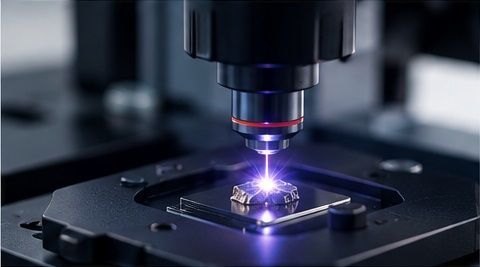
LIBS Analysis
Selected particles are analysed using LIBS to obtain elemental information and identify the composition of the material.
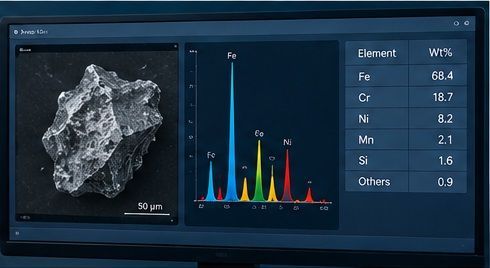
Data Interpretation
Microscopy and elemental results are considered together to build an evidence-based understanding of the particles and potential material sources.
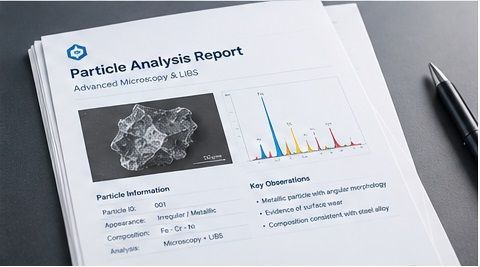
Results & Reporting
Findings are presented clearly, with relevant images, analytical results and observations to support your investigation.
-----SUBMIT-----ASSESS-----PREPARE-----EXAMINE-----ANALYSE-----INTERPRET-----REPORT-----
06 — Applications
Particle analysis across industries.
Unknown particles and material debris can occur across a wide range of products, components and manufacturing environments. Advanced microscopy and LIBS analysis can provide valuable evidence when investigating contamination, wear, material identity or unexpected particulate matter.
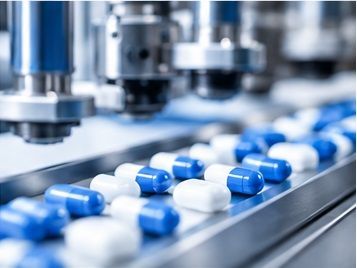
Pharmaceuticals
Characterise unexpected particles and investigate potential sources of particulate contamination within products or processes.

Aerospace & Defence
Investigate particulate contamination, metallic debris, wear products and material fragments associated with critical components and systems.
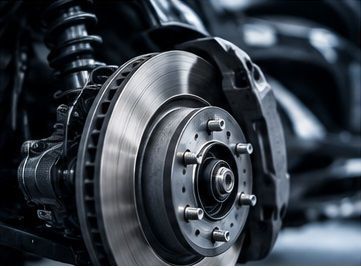
Automotive
Analyse wear debris, manufacturing residues and unexpected particles found within components and systems.
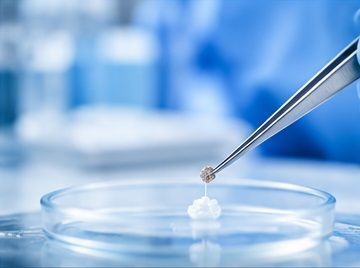
Medical Devices
Support investigations into foreign particulate matter, material fragments and contamination within medical products.
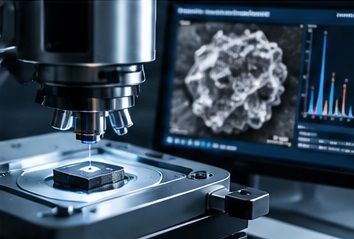
Materials Research
Characterise unknown particulate materials and investigate elemental composition as part of materials research and development.
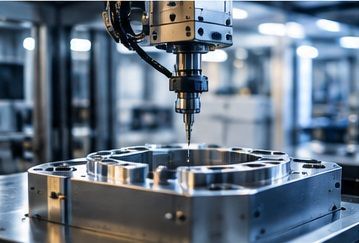
Manufacturing
Support contamination investigations, process troubleshooting and analysis of unexpected residues or material debris.
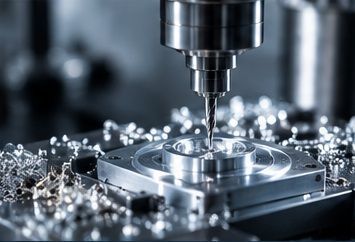
Precision Engineering
Examine wear debris, machining residues and material fragments generated during precision manufacturing and component use.
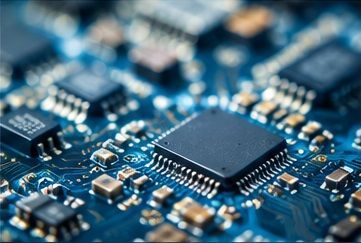
Electronics
Investigate particulate contamination and material residues associated with sensitive electronic components and assemblies.
Have a particle from an application not listed above? We can discuss the most appropriate analytical approach.
07 — Why Analyse Individual Particles?
Small particles can reveal bigger problems.
A single particle can provide important evidence about contamination, wear, material degradation or an unexpected source of debris.
Bulk analysis can provide useful information about the overall composition of a sample, but individual particles can sometimes tell a different story. By isolating and examining specific particles, it is possible to investigate their physical characteristics and elemental composition independently.
This can help distinguish between different particle populations, identify unusual materials and provide additional evidence during failure, contamination or root-cause investigations.
01
Identify the unknown
Establish the physical and elemental characteristics of an individual particle to help determine what it may be.
02
Investigate potential sources
Compare particle characteristics with suspected source materials, components or manufacturing processes.
03
Distinguish particle populations
Examine multiple particles to identify similarities, differences and potentially different sources within the same sample.
04
Support root-cause investigations
Use particle evidence alongside other information to support investigations into contamination, wear and material failure.
From particle to evidence
Detailed particle analysis can add another layer of evidence to an investigation — helping you understand
what is present, what it is made of and where it may have come from.
08 — What You Receive
Clear results. Useful evidence.
Our analysis is designed to provide more than raw analytical data. We bring together microscopic observations, elemental information and interpretation to help you understand the particles present in your sample.
Typical Deliverables
Depending on the sample and scope of the investigation, your analysis may include the following:
Microscopy Images
High-resolution images showing particle appearance, morphology, surface characteristics and other relevant visual features.
Particle Observations
Recorded observations relating to size, shape, morphology, surface condition, colour and other notable characteristics.
LIBS Elemental Results
Elemental information obtained from selected particles using Laser-Induced Breakdown Spectroscopy.
Interpretation & Comparison
Where appropriate, results can be interpreted and compared with potential materials or sources relevant to the investigation.
Clear Analytical Report
A structured report bringing together the relevant observations, analytical findings and interpretation in a clear format.
The aim of the analysis
Not simply to generate data, but to provide clear information that can help support your investigation and understanding of the material.
09 — Discuss Your Sample
Have an unknown
particle to investigate?
Whether you're investigating contamination, wear debris, unexpected material or a manufacturing issue, Advanced Microscopy and LIBS can provide valuable information about what is present and what it may be made of.