SPECIALIST FLUID ANALYSIS
Coolant Analysis for Engine and Industrial Cooling Systems
Understand the condition of your coolant with laboratory coolant analysis from FA-ST. Testing can help investigate coolant quality, contamination and chemical condition in suitable engine, marine and industrial cooling-system applications.
Explore our coolant analysis kits to find an option suited to your application, including standard and marine coolant testing.
? Standard coolant analysis ? Marine coolant analysis ? Laboratory testing
UNDERSTAND COOLANT CONDITION
Why Is Coolant Analysis Important?
Coolant does more than help regulate engine temperature. Its chemical condition and contamination levels can affect the protection it provides to cooling-system components. Laboratory coolant analysis can help identify changes and investigate potential problems before deciding on the next steps.
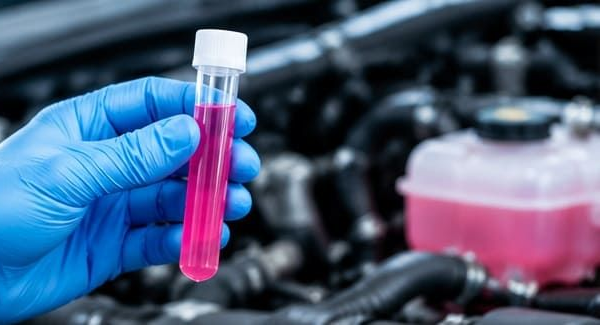
Assess Coolant Condition
Testing selected properties can help assess coolant condition and identify changes that may warrant further investigation or maintenance.
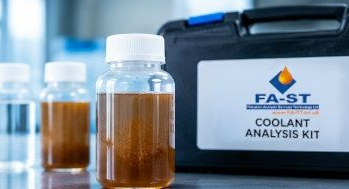
Investigate Contamination
Laboratory testing can help investigate abnormal findings associated with contamination, mixing or changes in coolant chemistry, depending on the tests selected.
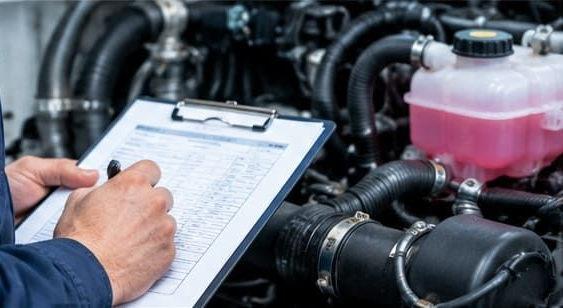
Support Maintenance Decisions
Use laboratory results alongside equipment history, coolant specifications and operating conditions to help inform maintenance decisions.
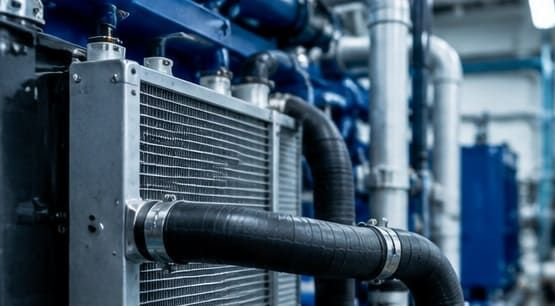
Monitor Cooling Systems
Coolant analysis can support condition-monitoring programmes for suitable engines and industrial equipment when results are assessed over time.
Looking for a suitable test for your application?
FIND THE RIGHT TEST
Choose Your Coolant Analysis Kit
FA-ST offers coolant analysis options for different applications, including standard and marine coolant testing. Whether you need an individual analysis kit or equipment for collecting multiple samples, explore the available options below.
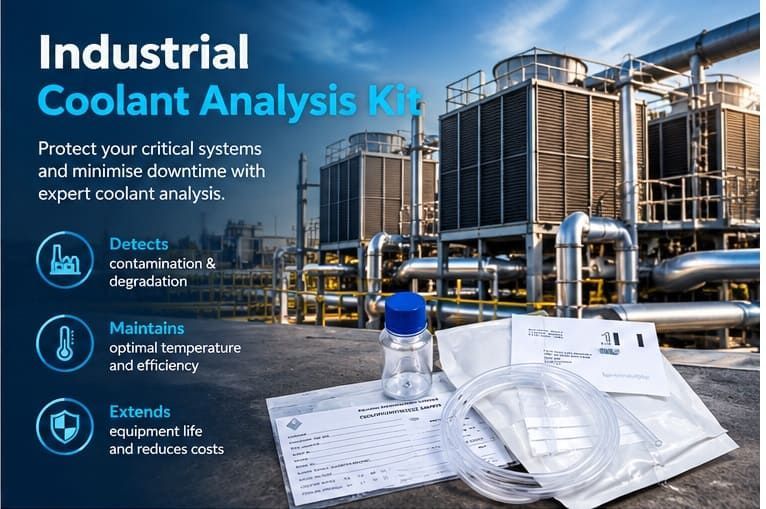
Standard testing
Coolant Analysis Kit
A coolant sampling and analysis option for investigating coolant condition and potential issues in suitable cooling-system applications.
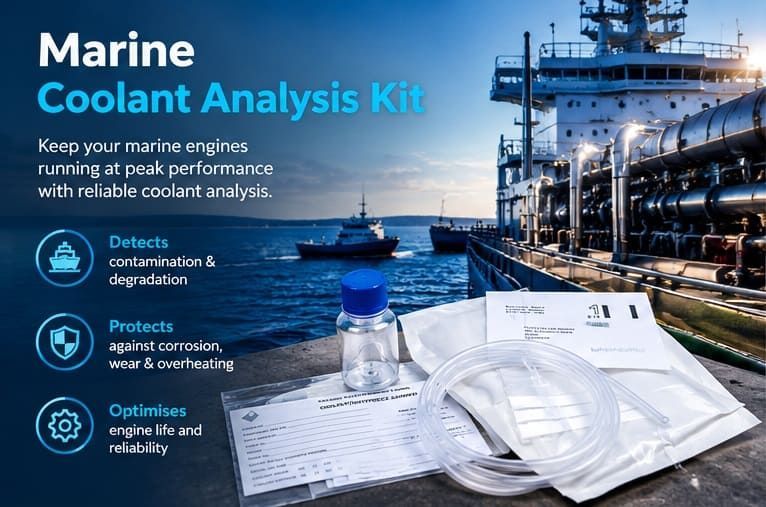
Marine applications
Marine Coolant Analysis Kit
Designed for marine coolant analysis, with listed test parameters including glycol volume, pH, freezing point and total dissolved solids.
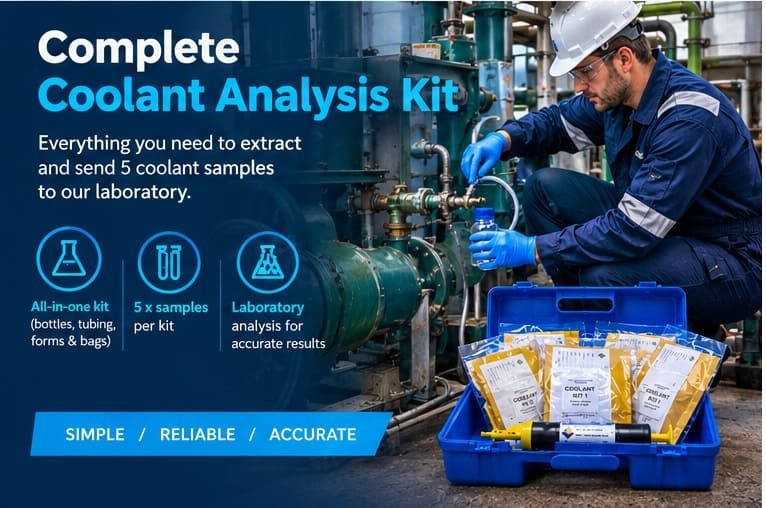
Multiple samples
Coolant Carry Case Kit
A convenient option for users requiring multiple coolant analysis kits and sampling equipment. The product listing describes five analysis kits and a sampling pump.
Not sure which coolant test you need?
Compare the available products and their included tests before choosing the most appropriate option for your application.
UNDERSTANDING YOUR COOLANT
What Does Coolant Analysis Test For?
Coolant analysis can help assess important properties of engine and industrial cooling fluids. The results can provide insight into coolant condition and help identify when further investigation or maintenance maybe appropriate.
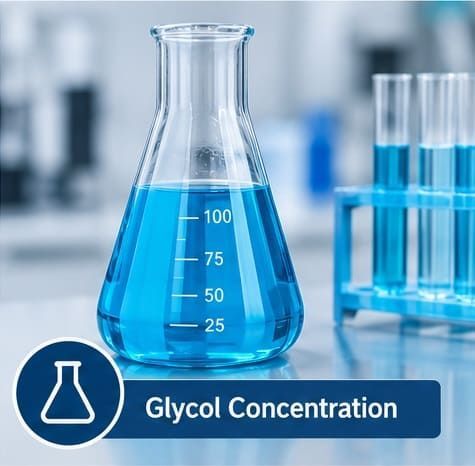
Glycol Concentration
Glycol concentration or volume helps assess the mixture of glycol and water incompatible coolant formulations. The results can help evaluate whether the mixture is appropriate for the application.
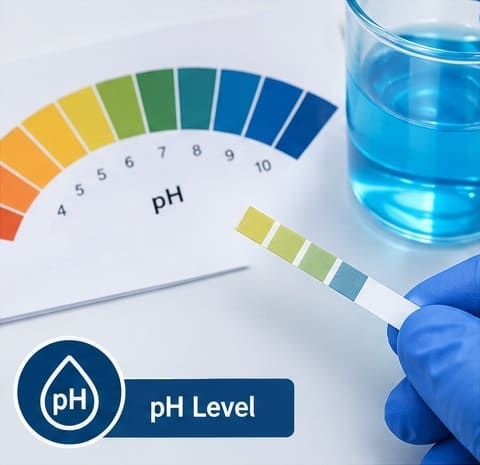
pH Level
pH indicates how acidic or alkaline the coolant is. An unsuitable pH can be relevant to corrosion risk, although interpretation depends on the coolant formulation and the equipment manufacturer's guidance.
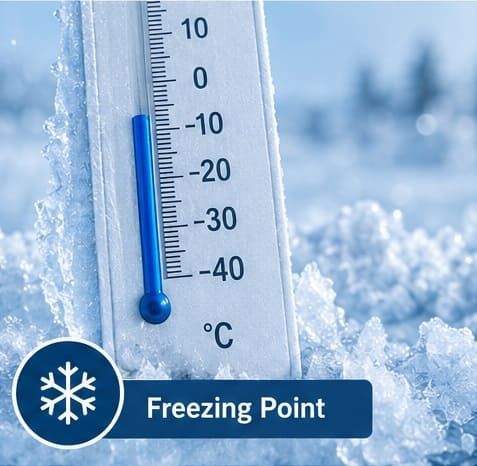
Freezing Point
Freezing-point assessment help indicate the coolant's protection against freezing. This is particularly important where equipment operates low temperatures or is exposed to seasonal conditions.
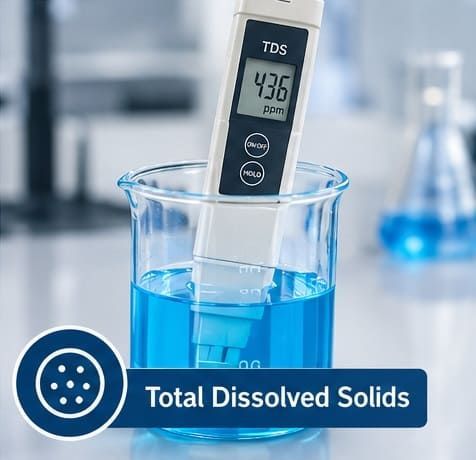
Total Dissolved Solids
Total Dissolved Solids (TDS) provides an indication of dissolved material in a coolant sample. Results can support an assessment of fluid condition but should be interpreted alongside other relevant information.
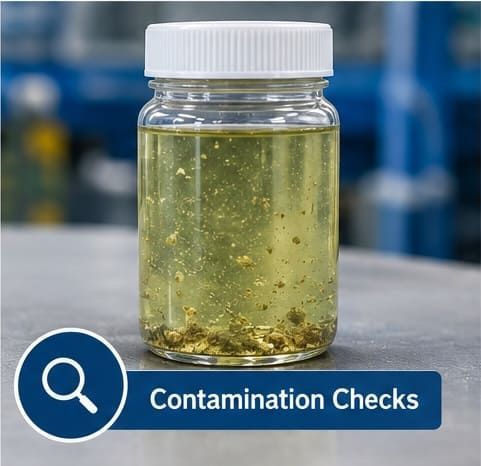
Contamination Checks
Discolouration, deposits or unexpected substances may indicate a coolant issue. Identifying specific contaminates can require additional laboratory analysis beyond the selected kit's standard scope.
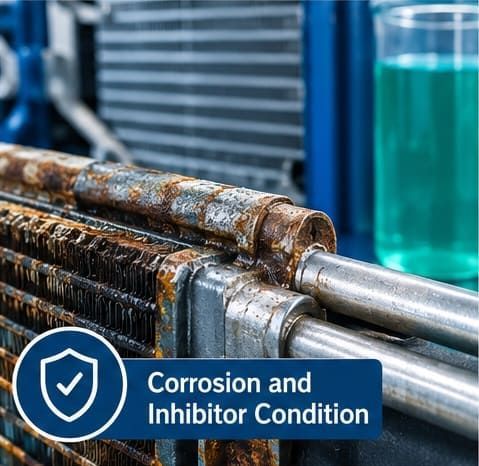
Corrosion and Inhibitor Condition
Coolant additives help protect compatible metals and systems components. Assessing inhibitor condition or identifying corrosion products may require a seperate or more comprehensive test package.
Choose the right test for you application
The parameters available depend on the kit and analysis selected. FA-ST marine coolant analysis kit list glycol volume, pH, freezing point and total dissolved solids. Check the individual product details before ordering to confirm the scope of your chosen kit.
Find the right coolant analysis kit
Review the stated kits and their stated test parameters.
IDENTIFY POTENTIAL COOLANT PROBLEMS
Coolant Contamination and Corrosion: What Should You Look For?
Coolant condition can change during service due to operating temperatures, fluid ageing, contamination and the condition of the cooling system. Recognising potential warning signs can help maintenance teams decide when further investigation is needed.
01
Changes in Colour or Appearance
Unexpected discolouration, cloudiness or visible deposits may indicate a change in coolant condition. Appearance alone cannot confirm the cause, and some coolant formulations have different colours by design.
02
Rust, Deposits or Scale
Rust-like material or deposits may be associated with corrosion, water quality or accumulated material within the system. Further checks may be needed to establish the source.
03
Changes in Coolant Properties
Changes in pH, glycol concentration or other measured properties can affect how coolant preforms. Suitable testing can help assess these characteristics against the requirement of the application.
04
Possible Cross-Contamination
Oil, incompatible fluids or other foreign material may require investigation in suspected. Confirming specific contaminants generally requires an appropriate test rather than relying on visual inspection alone.
Important: If equipment is overheating, leaking or showing signs of a serious cooling-system fault, follow the manufacturer's safety guidance and investigate the mechanical issue. Coolant analysis complements maintenance checks; it does not replace them.
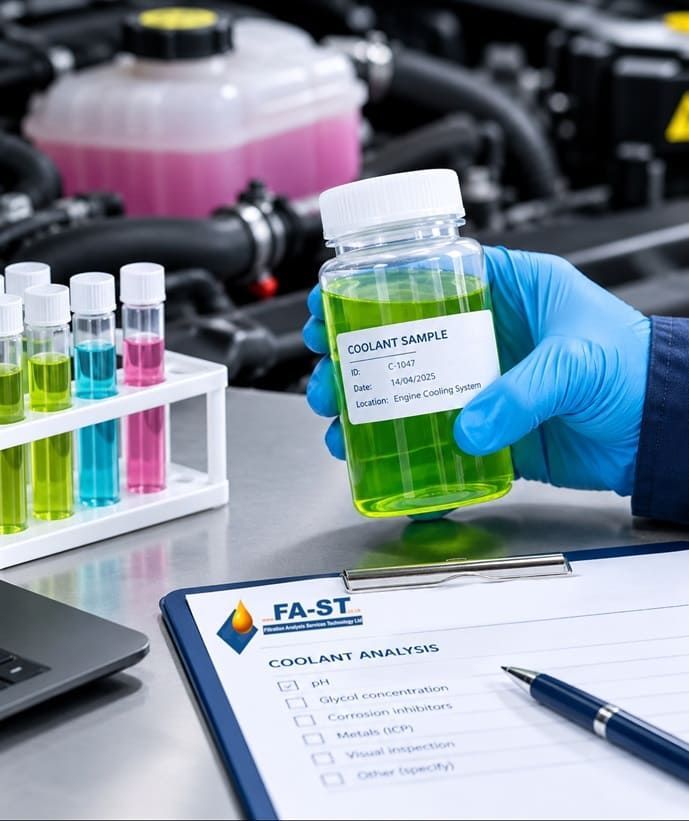
COOLANT TESTING APPLICATIONS
Coolant Analysis for Marine, Engine and Industrial Systems
Coolant plays an important role in managing operating temperatures and protecting compatible cooling-system components. Testing can help assess coolant condition across a range of applications and support informed maintenance decisions.
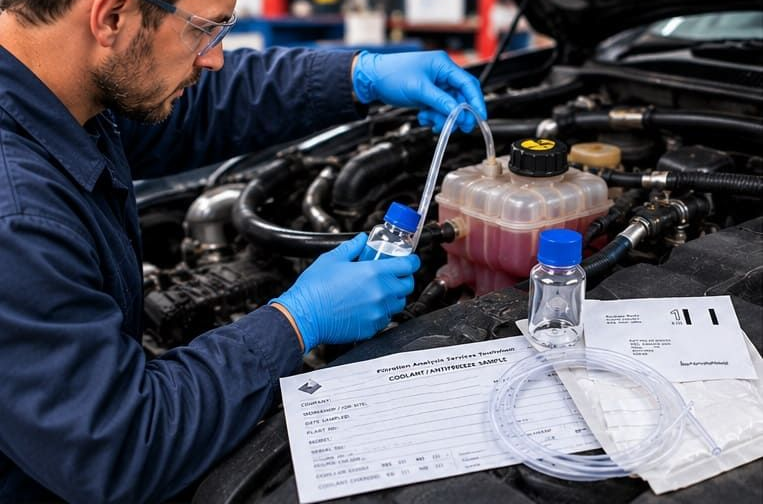
ENGINES AND VEHICLES
Engine Coolant Analysis
Assess selected coolant properties in suitable engine cooling systems. Testing can help maintenance teams review fluid condition and investigate concerns about glycol concentration, pH or freezing-point protection where these parameters are included in the selected test.
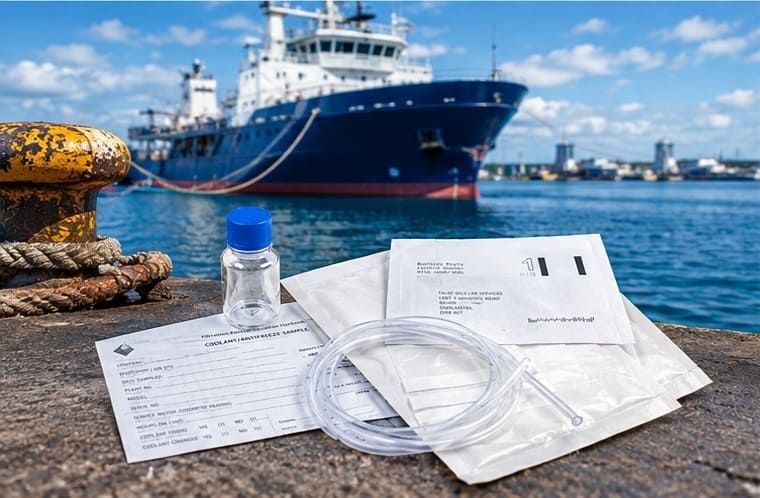
MARINE ENGINNERING
Marine Coolant Testing
Coolant condition is an important consideration for marine engine maintenance. The marine coolant analysis kits lists glycol volume. pH, freezing point and total dissolved solids among its test parameters
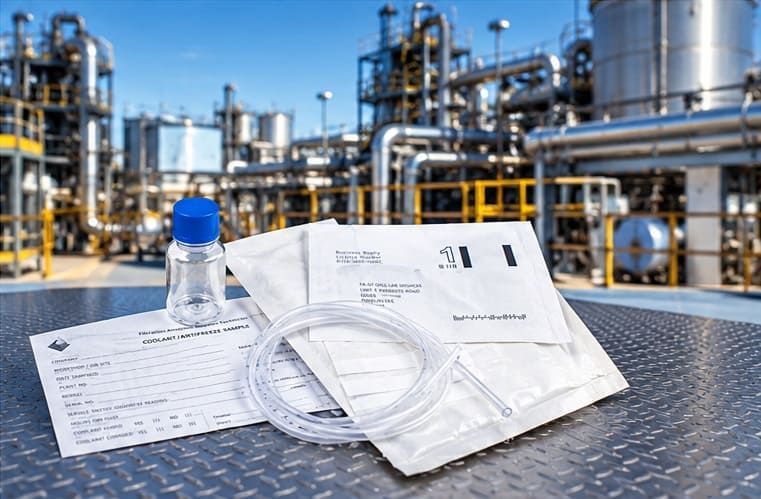
INDUSTRIAL EQUIPMENT
Industrial Cooling Systems
For compatible industrial cooling applications, coolant testing can contribute to routine fluid checks and help identify when further investigation may be appropriate. Select a test that matches the fluid type system requirements.
Not sure which coolant test you need?
Check the product details for the available test parameters and confirm compatibility with your coolant type before ordering.
A SIMPLE TESTING PROCESS
How Does Coolant Analysis Work?
Coolant analysis starts with selecting a suitable test for your application and collecting a representative sample. Following the relevant kit instructions helps ensure the sample can be assessed appropriately.
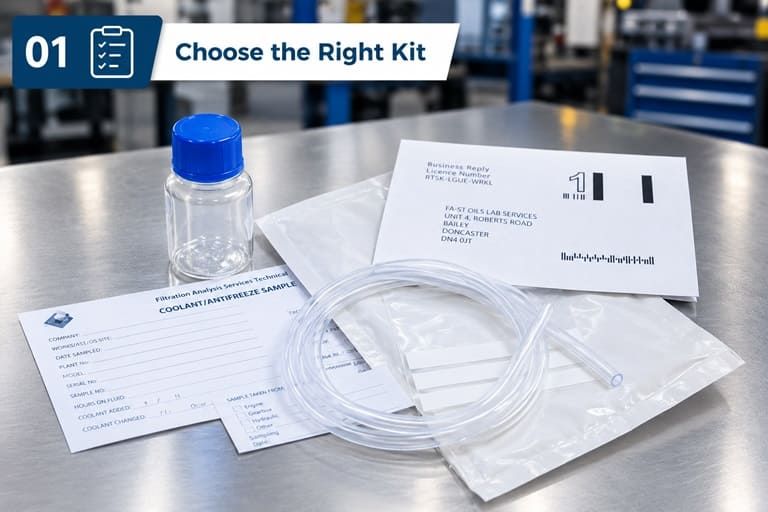
Choose the Right Kit
Review the available coolant analysis kits and select one that matches your application and parameters you want to assess. Check the product information to confirm the test scope before ordering.
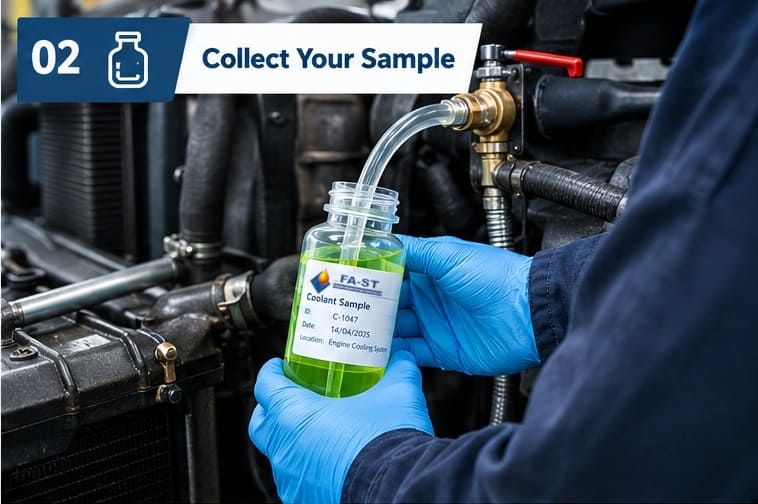
Collect Your Sample
Following the kit's sampling instructions and use the specified container and equipment. Identify the sample clearly and provide any requested details about the coolant and equipment.
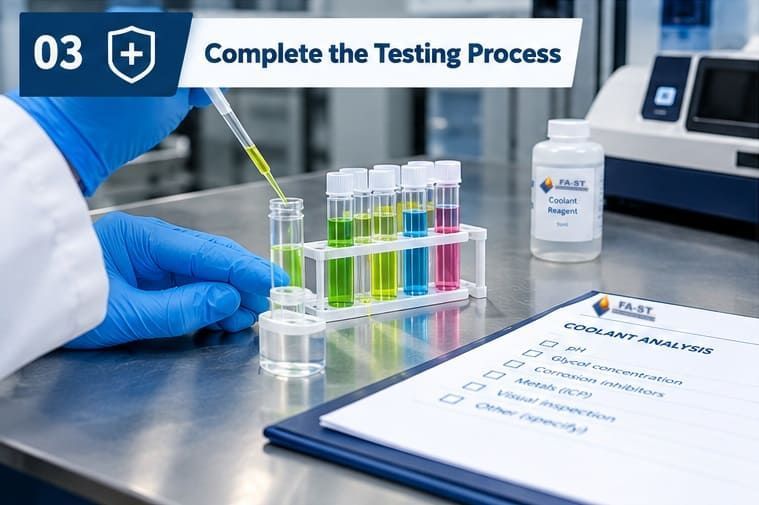
Complete the Testing Process
Carry out the tests or submit the sample as directed by the selected kit. Follow the supplied instructions carefully, including any requirements for handling, packaging or returning the sample.
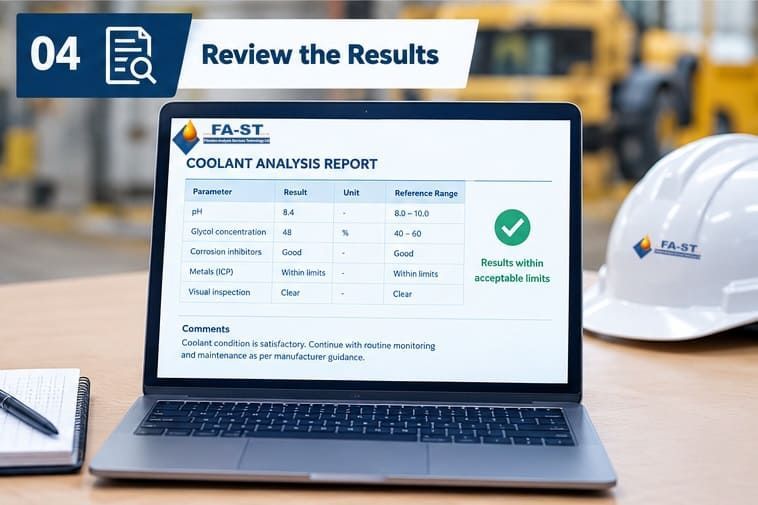
Review the Results
Review the results available for your selected test and consider them alongside equipment history, coolant specifications and maintenance guidance when deciding whether further action is needed.
Sampling Safely Matters: Never open a hot or pressurised cooling system to collect a sample. Follow the equipment manufacturer's safety guidance and the instructions supplied with your kit.
Ready to Get Started?
Explore the available coolant analysis kits and check which option is suitable for your requirements
MAKE SENSE OF YOUR RESULTS
Understanding Your Coolant Analysis Results
Coolant test results provide information about the properties measured by the selected test. Understanding those results in context can help you assess fluid condition, investigate concerns and plan appropriate maintenance.
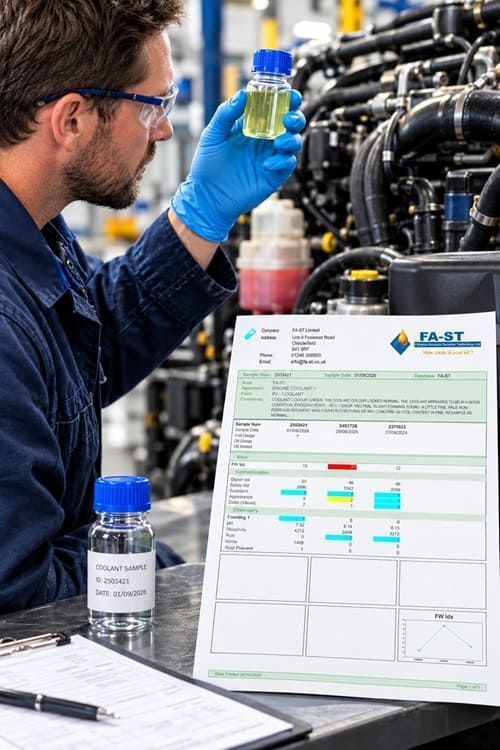
01
Review the Parameters Measured
Start by checking which properties were tested, such as glycol concentration or volume, pH, freezing point and total dissolved solids where included. Make sure you understand the units and any guidance supplied with the results
02
Compare Results with Suitable Guidance
Interpret measurements against the coolant manufacturer's specifications and the equipment manufacturer's requirements. Acceptable values can differ depending on the coolant formulation, application and operating conditions.
03
Look for Changes Over Time
Where comparable historical results are available, reviewing changes over time can help identify trends that may warrant further investigation. Consistent sampling methods make comparisons more meaningful.
04
Decide Whether Further Investigation is Needed?
Results outside the recommended range, unexpected changes or signs of contamination may justify further checks. Consider the complete picture before deciding whether maintenance, fluid replacement or additional testing is needed.
Remember: Not every coolant analysis kit includes a formal laboratory report or the same parameters. Check the individual product description to understand exactly what results and guidance are supplied.
Looking for the right coolant test?
Explore the available kits and check the parameters provided for each option.
WHY FA-ST?
Practical Coolant Analysis Solutions from FA-ST
FA-ST (Filtration Analysis Services Technology Ltd) provides coolant analysis kits to help customers assess coolant condition and make more informed decisions. Whether you work with engine cooling systems, marine equipment or industrial machinery, choosing an appropriate test kit is an important first step.
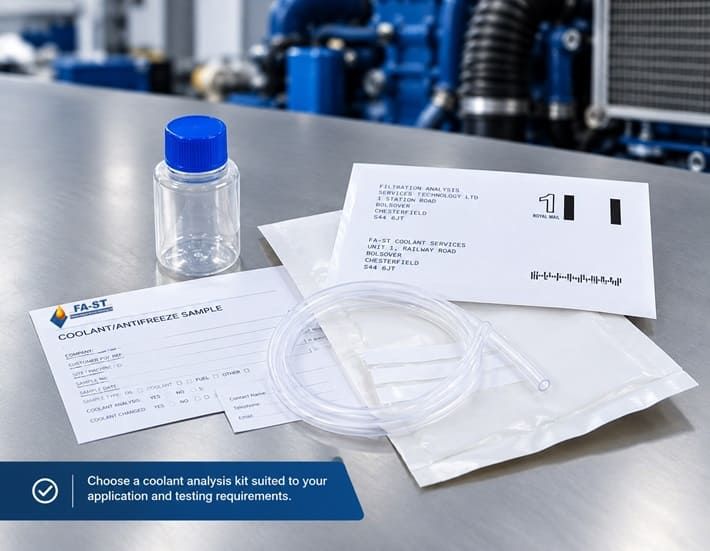
01
Options for Different Applications
Explore coolant analysis for engine and marine cooling applications, with product details to help identify a suitable option.
02
Understand What You Are Testing
Review the stated test parameters before ordering. For example, the marine coolant analysis kit lists glycol volume, pH, freezing point and total dissolved solids
04
Support Better-Informed Maintenance
Coolant testing can help you assess selected properties of a sample and identified when further investigation or maintenance checks may be appropriate.
04
Clear Product Information
Compare the available kits, review their descriptions and check the included tests to help match your choice to your equipment and requirements.
Always check the individual product description for the test parameters included, sampling instructions and any application limitations before ordering.
FREQUENTLY ASKED QUESTIONS
Coolant Analysis FAQs
Find answers to common questions about coolant analysis coolant testing kits and assessing the condition of engine, marine and industrial cooling-system fluids.
What is coolant analysis?
Coolant analysis involves testing a coolant sample to assess selected properties of the fluid. Depending on the test method and kit used, this may include glycol concentration, pH, freezing point and total dissoved solids. The results can help you assess coolant condition and decide whether further checks or maintenance may be appropriate.
Why should I test my engine coolant?
Coolant testing can help identify changes in measurable fluid properties that may affect cooling-system performace. It can support maintenance planning and help determine whether further investigation is needed. Testing should be used alongside equipment-manufacturer guidance and routine cooling-system inspections.
What parameters can a coolant analysis kit measure?
The parameters depend on the kit selected. The FA-ST Marine Coolant Analysis Kit lists glycol colume, pH, freezing point and total dissolved solids (TDS). Check each product description to confrim the tests included before ordering.
Can coolant analysis help identify contamination?
Coolant analysis may identify changes in the properties measured by the selected test. However, not every kit checks for every type of contamination, corrosion product or degradation. If you suspect oil ingress, rust, deposits or other contamination, check the test scope and consider further investigation where appropriate.
How often should coolant be tested?
The appropratie testing interval depends on the equipment, coolant type, operating conditions and manufacturer's maintenance recommendations. For critical equipment, a consistent testing schedule can help you compare results over time. Follow the applicable maintenance guidance when setting your sample frequency.
Can I use the same coolant analysis kit for marine and engine applications?
Not necessarily. Suitability depends on the coolant, application and parameters required. Review the product description for each kit and confirm that its testing scope meets your requirements before use.
Does coolant analysis replace routine maintenance?
No. Coolant analysis is an additional tool to support maintenance decisions. It does not replace routine inspections, scheduled coolant changes, checks for leaks or compliance with the equipment manufacturer's servicing recommendations.
How do I choose the right coolant analysis kits?
Start by identifying the application and the properties you need to measure. Compare the stated test parameters, sampling requirements and productdetails for each kit. If you are unsure which option suits your requirements, confirm the kits scope before purchaing.
Still have questions about coolant testing?
Review the available kits and their stated test parameters to find an option that suits your application.
COOLANT ANALYSIS KITS
Take the Next Step with Coolant Analysis
Assess selected coolant properties and support your cooling-system maintenance decisions with a suitable coolant analysis kits. Explore the FA-ST range to compare available options for engine, marine and other cooling-system applications.
Check each product description for included test parameters, sampling instructions and application suitability before ordering.