FA-ST FILTRATION ANALYSIS SERVICES TECHNOLOGY LTD
Grease Analysis & Testing for Industrial Lubrication
Understand the condition of your lubricating grease with professional grease sampling and analysis. FA-ST's pre-paid GKIT1 Provides a convenient way to submit a grease sample for independent laboratory testing.
- Wear metals and elemental analysis
- Contamination, water and additive assessment
- PDF report emailed 3-5 days after arrival at our independent laboratory.
One pre-paid sampling kit. Independent laboratory analysis. Clear results to support maintenance decisions.
THE BENEFITS OF GREASE TESTING
Why Is Grease Analysis Important?
Grease plays a vital role in protecting bearings and other machinery components. Analysing used grease can help identify abnormal wear, investigate contamination and assess lubricant chemistry before small changes become bigger maintenance concerns.
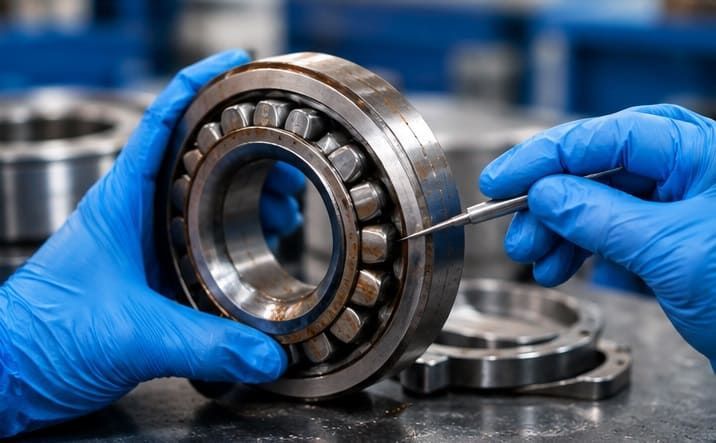
Identify Wear Metals
Elemental analysis and ferrous wear measurement can help identify changes in wear patterns and highlight potential machinery issue that may need further investigation
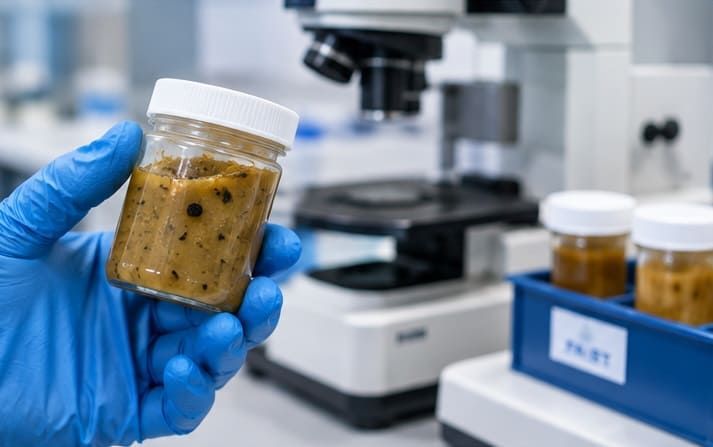
Detect Contamination
Investigate possible water ingress and contaminants such as dirt or other foreign material. Testing can help narrow down potential contamination sources when interpreted alongside equipment and operating information.
Assess Grease Chemistry
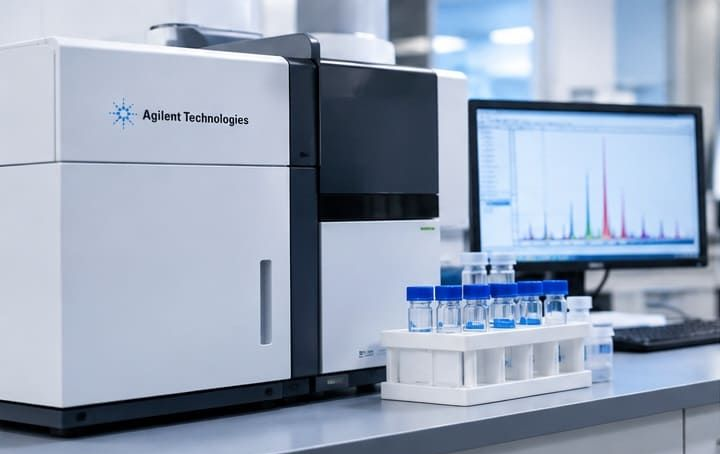
Elemental analysis can provide information about additive elements in a grease sample, helping assess its chemical make-up and investigated differences between samples or possible additive-related changes.

Support Maintenance Decisions
Use laboratory findings, technical comments and historical results to help plan further inspections, review re-greasing intervals and make informed lubrication maintenance decisions.
Get more insight into the condition of your grease with the FA-ST pre-paid sampling and analysis kit.
THE FA-ST GREASE ANALYSIS SERVICE
GKIT1 - Grease Sampling & Analysis Kit
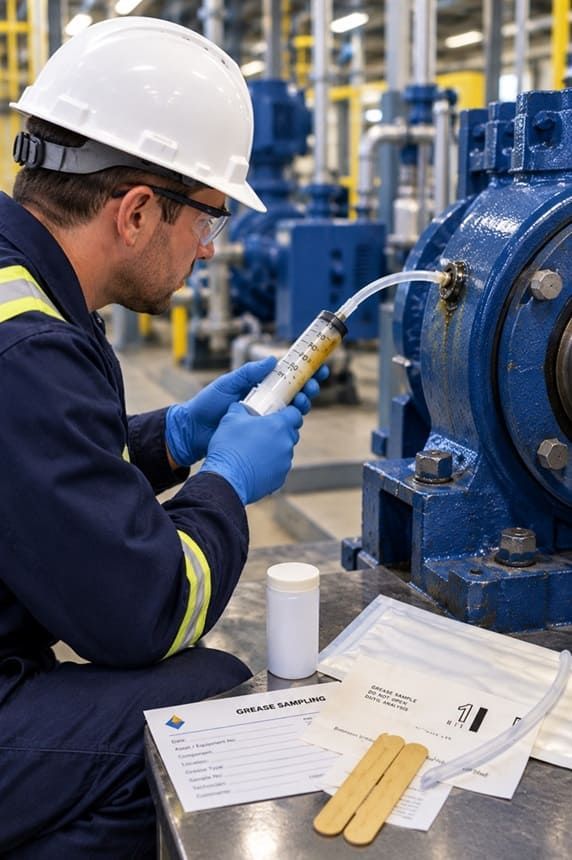
Get your grease sample tested by an independent ISO-accredited laboratory using the FA-ST pre-paid grease sampling and analysis kit. Receive a detailed PDF report by email to help you assess grease condition and investigate potential machinery issues.
Product reference: GKIT1
A straightforward way to investigate grease condition
The kit provides the equipment and arrangements needed to collect a grease sample and send it to the laboratory for analysis. The findings can help identify changes in wear, contamination and the chemical make-up of the grease.
✓
Sampling Equipment Included
Everything needed for sampling and submission, as specified with the kit.
✓
Independent Laboratory Testing
Analysis of wea-related items, contamination indicators and additive chemistry.
✓
Ferrous Wear Assessment
A ferrous wear index to complement elemental analysis
✓
Water content testing
Karl Fischer water testing, as described in the grease analysis specification.
✓
PDF report by email
Typically emailed 2-3 days after the laboratory receives your sample.
What will your report include?
Your report provides results relating to wear, contamination and grease chemistry, alongside laboratory technician comments and recommended actions where required.
Follow the supplied sampling instructions and check the kit details for the exact contents and submission requirements
INSIDE THE ANALYSIS
What Does Grease Analysis Test For?
Grease analysis examines elemental content, wear-related indicators, contamination and water content to help assess lubricant condition. Results should be interpreted alongside the grease specification, equipment operating conditions and previous sample history.
Elemental Analysis & Wear Metals
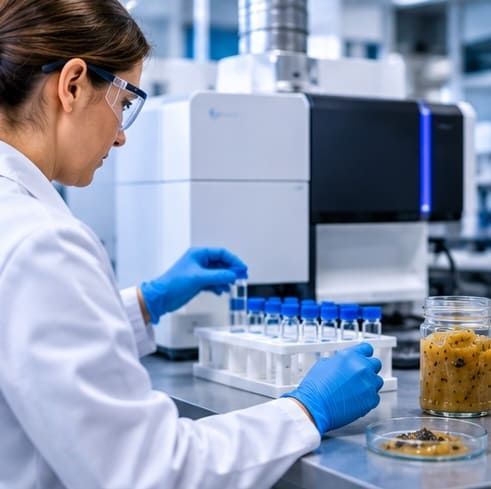
ICP-AES elemental analysis measures the concentration of selected elements in the grease sample. Depending on the equipment and lubricant, these may include iron, copper, aluminium, chromium, lead and other elements associated with materials, wear or additives.
Why it matters: Elemental trends can help flag changes that warrant further investigation.
Ferrous Wear & PQ Index
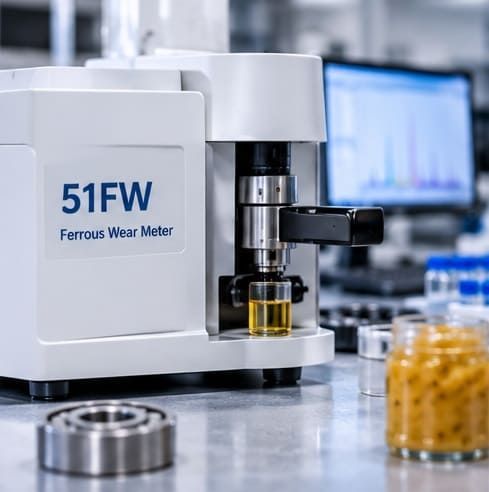
a 51FW meter is used to assess magnetic ferrous wear particles. The PQ Index complements elemental analysis because it can respond to ferrous particles that may not be fully represented by conventional ICP-AES measurements.
Why it matters: The results can add context to wear assessment, particularly when compared with ICP results and previous samples.
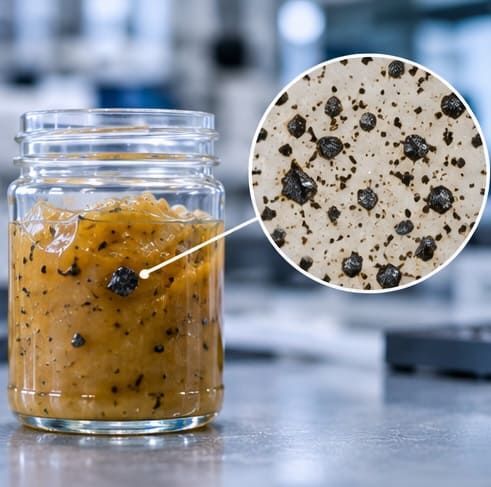
Contamination Indicators
Elemental results can help identify possible contamination patterns. For example, silicon may be associated with dust or other silicate materials, while sodium and boron may be linked to certain coolants, inhibitors or other sources.
Why it matters: Indicators can help guide further checks, but an element alone does not confirm the source of contamination.
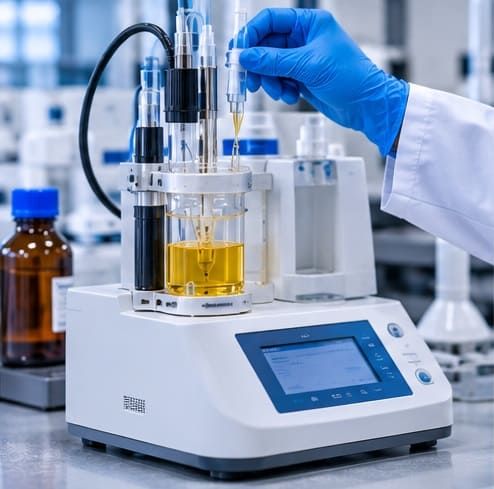
Water Content
Water content is assessed using Karl Fischer analysis, as specified in the supplied service specification. Water can affect lubricant performance and may be associated with corrosion, ingress or process contamination.
Why it Matters: Measuring water content helps establish whether moisture needs further investigation.
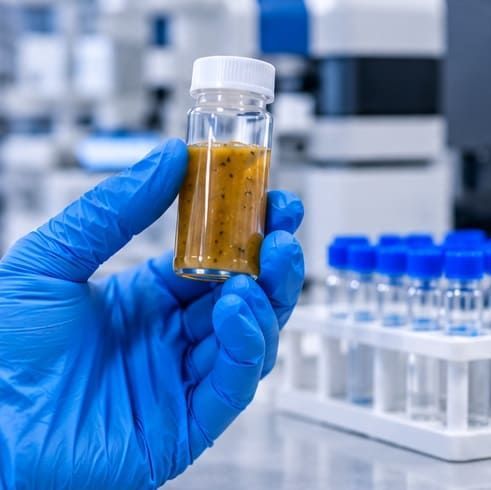
Additive & Chemical Composition
Elemental analysis can help assess the grease's chemical profile. Elements such as calcium, magnesium, molybdenum, phosphorus and zinc may be associated with additive packages or other constituents, depending on the grease formulation.
Why it matters: Results can help assess composition and investigate possible differences between samples or batches.
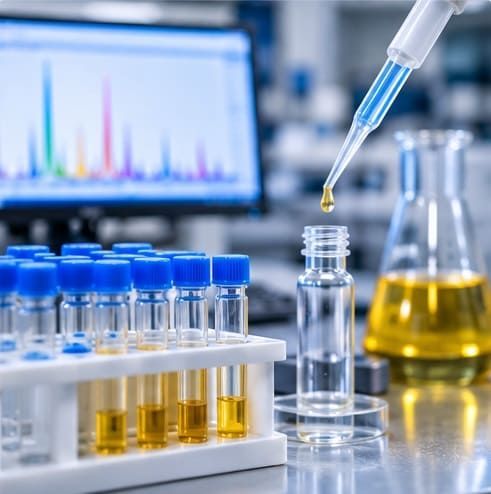
Results Need Context
No single result should be treated as a definitive diagnosis of a component failure. Grease type, application, operating conditions, sampling quality and historical results all affect interpretation.
Get more insight from your grease samples
The GKIT1 kit provides a practical route to laboratory grease analysis, with a PDF report emailed 2-3 days after the laboratory receives your sample.
Test methods and analysis scope are subject to the supplied kit specification. Elemental analysis has limitations, including its ability to detect larger wear particles.
UNDERSTANDING FERROUS WEAR
Ferrous Wear Analysis & the PQ Index
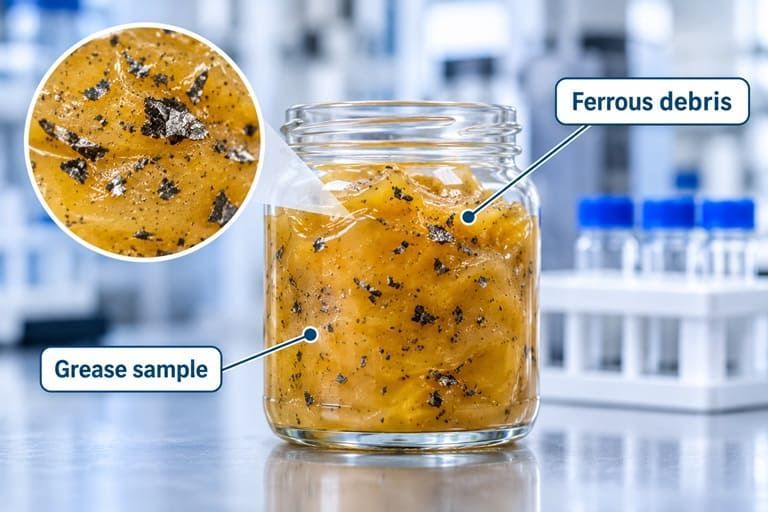
Not all wear-related information is captured by elemental analysis alone. FA-ST's grease analysis services includes a ferrous wear assessment using a 51FW meter, providing an additional indicator to consider alongside ICP-AES results.
What is the PQ Index?
The Particle Quantifier (PQ) index is a measurement responsive to magnetic ferrous material in a sample. It can provide useful additional information about iron-based wear debris, including particles that may not be fully represented by conventional ICP-AES analysis
Why compare PQ and ICP-AES?
ICP-AES measures selected elements in the sample, while the PQ Index provides a complementary indication of magnetic ferrous material. Considering both results together can help build a more informed picture of wear-related changes.
Use results as part of condition monitoring
Comparing results from successive samples can help identify changes that merit further investigation. Trends are most useful when sampling is consistent and results are reviewed alongside equipment history, lubricant type and operating conditions.
Important to remember
A PQ Index result does not identify a specific failed component on its own. It should be interpreted with other test results and knowledge of the equipment.
CONTAMINATION AND MOISTURE ASSESSMENT
Grease Contamination & Wear Testing
Contamination can affect grease condition and the protection it provides to lubricated components. Laboratory analysis can identify elemental indicators and measure water content, helping you investigate potential issues and make better-informed maintenance decisions.
LOOK BEYOND THE VISIBLE CONDITION
What could be present in your grease?
Grease may appear normal while containing unwanted substances. Analysing a representative sample provides additional information that visual inspection alone cannot supply.
- Investigate possible environmental or process contamination
- Measure water content using Karl Fischer analysis
- Compare findings with lubricant type and previous results
Elemental Indicator
Si Silicon
Silicon my be associated with dust, sand, silicate materials or other sources such as certain sealants and compounds. Its presence needs to be assessed in the context of the grease formulation and operating environment.
Consider investigating
Dust ingress, surrounding processes and possible external sources.
Elemental Indicator
Na Sodium
Sodium can have several possible sources, including some coolant inhibitors, environmental deposits, salts and other materials. A result alone cannot confirm which source is responsible.
Consider investigating
Nearby processes, exposure to salts and possible fluid ingress.
Elemental Indicator
B Boron
Boron may be present because of certain additives, coolant inhibitors or other materials. Interpreting its concentration requires consideration of the grease's expected elemental profile.
Consider investigating
Lubricant formulation, possible cross-contamination and process fluids.
Moisture measurement
Water Content - Karl Fischer
Karl Fischer analysis is used to measure the water content of a sample. Moisture can be relevant to lubricant condition, corrosion risk and the investigation of possible ingress or process-related contamination.
Why measure water?
To establish a measured baseline and identify results that may warrant investigatin.
How are contamination indicators assessed?
ICP-AES measures selected elements in the sample, with results typically reported as concentrations. The laboratory's interpretation considers the expected grease chemistry and other available findings. Karl Fischer analysis provides a separate measurement of water content.
Important Elemental indicators are clues, not proof of a particular contaminant or its source.
Investigate grease condition with laboratory analysis
Use the GKIT1 Grease Sampling & Analysis Kit to submit a sample for the specified testing and receive a PDF report by email, typically 2-3 days after the laboratory receives the sample.
The significance of any result depends on the grease formulation, application, sampling quality and operating conditions. Testing scope is subject to the supplied kit specification.
INDUSTRIAL APPLICATIONS
Where Can Grease Analysis Make a Difference?
Grease analysis can provide useful condition information from lubricated components operating in demanding industrial environments. By examining wear-related elements, ferrous debris, contamination indicators and water content, maintenance teams can investigate changes and make better-informed maintenance decisions.
ROTATING EQUIPMENT
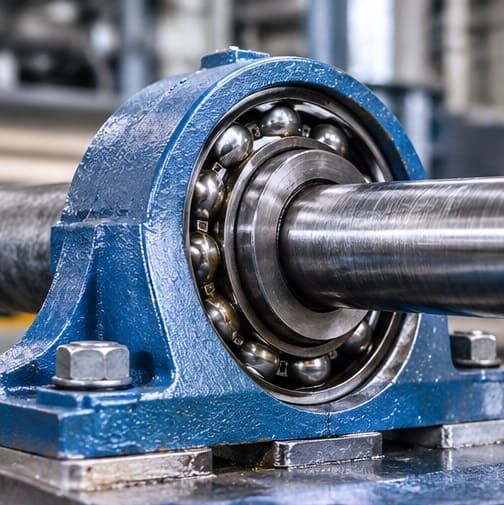
Bearing & Bearing Housings
Bearings rely on suitable lubrication to help reduce friction and wear. Grease analysis can help investigate changes in wear-related elements, ferrous debris, moisture or contamination.
Useful for: Reviewing grease condition and investigating unusual wear indicators.
MECHANICAL DRIVES
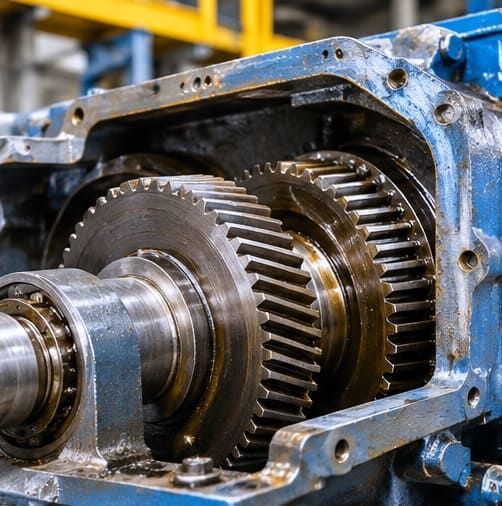
Gears & Drive Assemblies
Where gears and drive components are lubricated with grease, sample analysis can add information about elemental content and possible ferrous wear, depending on the application and sampling method.
Useful for: Supporting investigations into changing wear indicators and lubricant condition.
PLANT EQUIPMENT
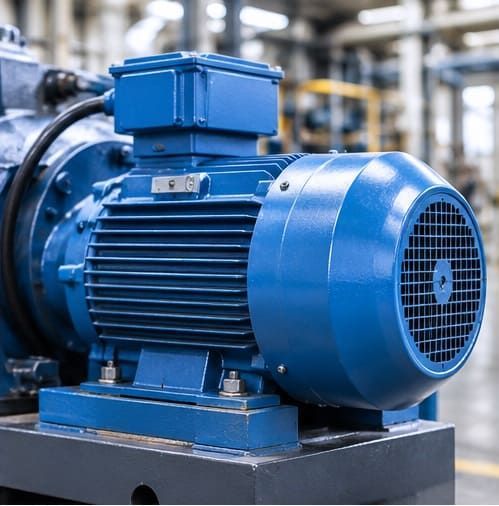
Electric Motors
Greased motor bearings may benefit from planned sampling and representatively. Results can be considered alongside maintenance records and operating history.
Useful for: Monitoring grease condition in suitable motor-bearing applications.
MATERIAL HANDLING
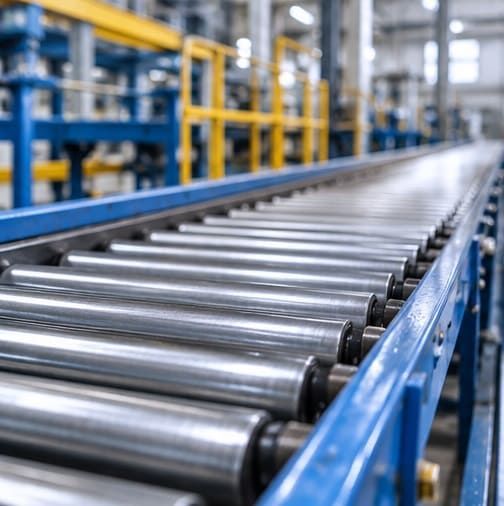
Conveyors & Production Lines
Conveyor rollers, bearings and other grease-lubricated components can operate in dusty, wet or demanding environments. Analysis may help investigate possible contamination and changes in wear-related results.
Useful for: Investigating possible ingress and assessing changes in sampled grease.
HEAVY INDUSTRY
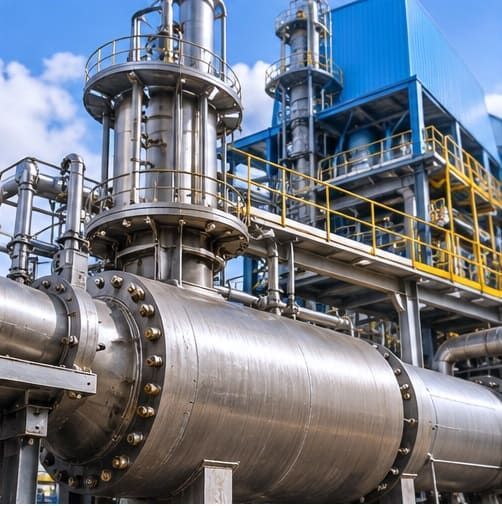
Industrial & Process Machinery
In manufacturing, processing and heavy industrial settings, grease analysis can complement existing inspection and maintenance routines where suitable sampling points are available.
Useful for: Reviewing sample trends and investigating results that differ from expectations.

MAINTENANCE PLANNING
Planned Maintenance Programmes
Where repeatable sampling is practical, results from successive samples can help establish trends and inform decisions about further inspection, lubrication practices or follow-up testing.
Useful for: Building a record of grease condition over time.
Is grease analysis suitable for your equipment?
Suitability depends on the lubricant, component, available sampling method and the questions you want the analysis to help investigate. Samples should be collected in accordance with the supplied instructions.
Grease analysis is one source of condition information and should be interpreted alongside equipment history, inspection findings and operating conditions. Not every component or application is suitable for every sampling method.
A STRAIGHTFORWARD PROCESS
How Does Grease Sampling & Analysis Work?
The GKIT1 Grease Sampling & Analysis Kit provides a practical wat to submit a grease sample for laboratory testing. Follow the supplied instructions to collect and return your sample, then use the report to help understand the findings.
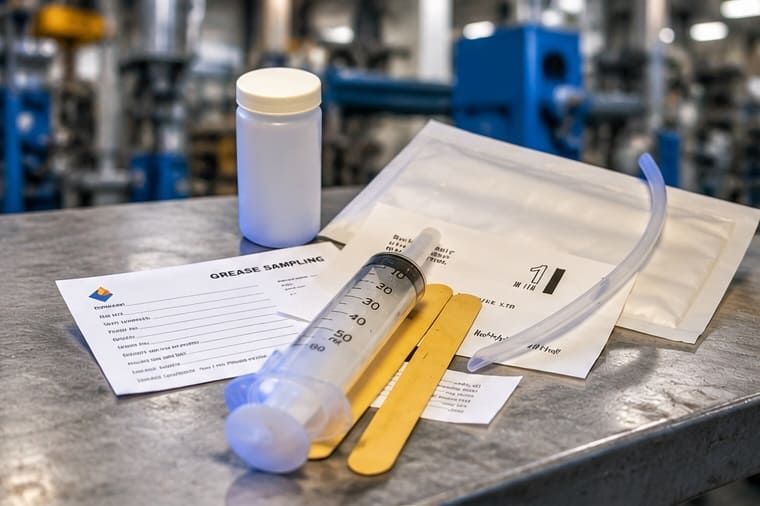
Order the GKIT1 Kit
Obtain the pre-paid Grease Sampling & Analysis Kit, which is supplied with the equipment needed to take a sample and submit it for independent laboratory analysis, as specified with the kit.
Start with the sampling kit
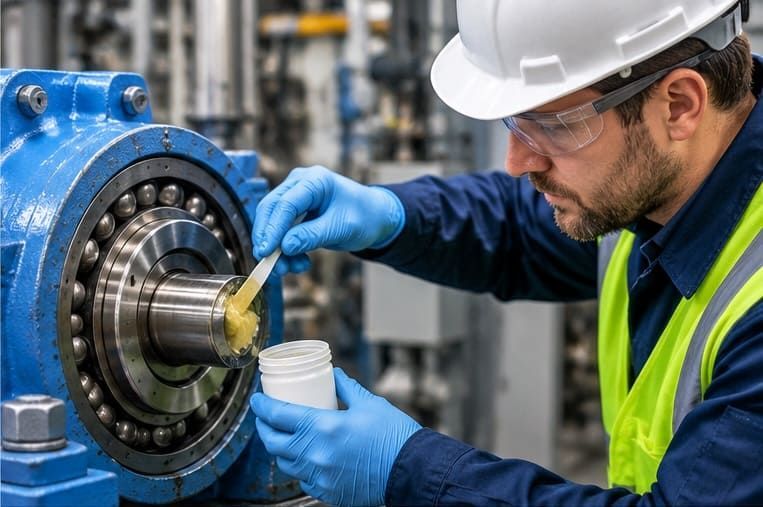
Collect Your Grease Sample
Follow the supplied sampling instructions and use the provided equipment as directed. Aim to collect a representative sample from the intended component while avoiding external contamination.
Follow the kit instructions
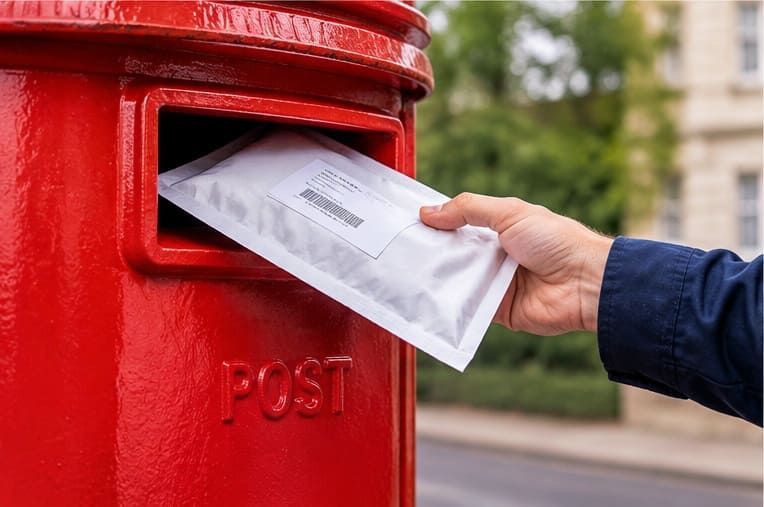
Send the Sample to the Laboratory
Prepare and return the sample in accordance with the kit's submission and packaging instructions. The laboratory carries out the specified grease analysis once the sample is received.
Laboratory testing begins after receipt
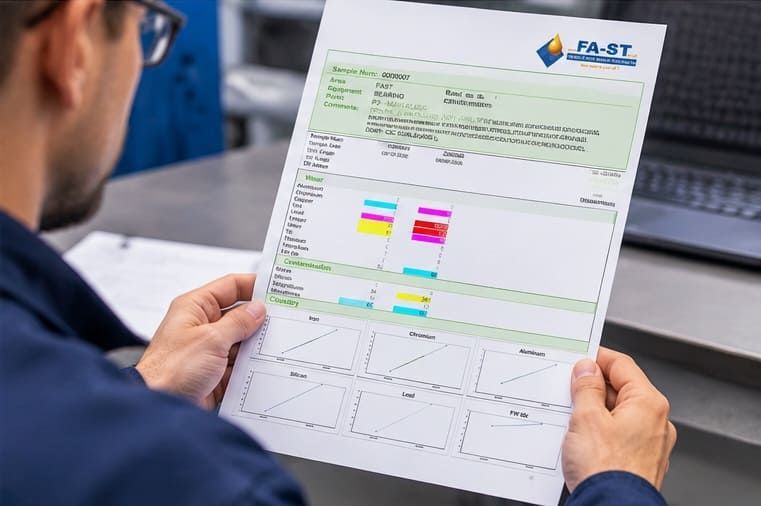
Receive Your PDF Report
Your report is emailed 3-5 days after the laboratory receives the sample. It includes findings on wear levels, contamination, chemical make-up, laboratory technician comments and recommended actions where required.
PDF report by email
LABORATORY TURNAROUND
Typically 3-5 days after sample receipt
The stated turnaround starts when the laboratory services your sample, not when the kit is ordered or the sample is posted.
Ready to arrange your grease analysis?
Use the GKIT1 kit to submit your grease sample for the specified laboratory tests and receive your findings by email.
Always follow the supplied sampling, handling, packaging and submission instructions. Sampling should only be carried out where it is safe and appropriate to do so.
FROM LABORATORY RESULTS TO MAINTENANCE INSIGHT
Understanding Your Grease Analysis Report
Grease analysis provides useful information about the lubricant condition, wear-related elements and possible contamination. The GKIT service includes a PDF report emailed after laboratory testing, helping you assess the findings alongside your equipment's operating conditions maintenance history.
WHAT THE REPORT COVERS
Key Areas of Your Grease Test Results
Each area offers a different piece of information about the grease. Results should be considered together rather than interpreted in isolation.
Wear-Related Elements
Elemental analysis by ICP-AES measures selected elements in the grease, reported in parts per million (ppm). Certain elements may be associated with wear, but their significance depends on the machinery, materials, grease formulation and historical results.
Elements Analysis
Contamination Indicators
Elements such as silicon, sodium and boron can provide clues about possible external contamination or other substances present in the grease. These elements can also have alternative sources, so findings need to be interpreted in context.
Contamination Assessment
Ferrous Wear & PQ Index
The ferrous wear assessment provides complementary information about magnetic iron-containing material. Comparing the PQ index with elemental analysis and previous samples can help identify changes that may warrant further investigation.
Magnetic wear Assessment
Water Content
Karl Fischer water testing assesses the water present in the submitted grease sample. Water may affect lubricant performance and contribute to corrosion or other operating problems, depending on the application and amount present.
Karl Fischer Testing
Grease Chemistry & Additives
Elemental results can help assess the grease's chemical make-up, including elements associated with some additive systems The significance of each element depends on the product formulation and other possible sources.
Chemical composition
Technician Comments & Recommended Actions
The report includes laboratory technician comments and recommended actions where required. Use these alongside equipment knowledge, operating conditions and maintenance records when deciding whether further inspection or testing is appropriate.
Practical interpretations
Why Context Matters
A single result does not automatically confirm a failed component or identify the exact source of wear. Comparing results over time, where comparable samples are available, and considering the equipment's history can provide a more useful picture of changing grease condition.
TAKE THE NEXT STEP
Get more information from your grease sample
Submit your sample using the GKIT1 Grease Sampling & Analysis Kit and receive a laboratory PDF report by email.
GREASE ANALYSIS FROM FA-ST
A Practical Approach to Grease Testing
FA-ST Filtration Analysis Services Technology Ltd provides a straightforward route to independent laboratory grease analysis. The GKIT1 Grease Sampling & Analysis Kit helps you submit a sample and receive results that can support informed maintenance decisions.
Independent Laboratory Analysis
Samples are submitted for analysis by an independent ISO-accredited laboratory, providing analytical data to help assess grease condition and composition.
Useful Structured Results
The PDF report includes findings on wear levels, contamination and chemical make-up, along with technician comments and recommended actions where required.
Clear Turnaround Expectations
Your PDF report is emailed typically 3-5 days after the laboratory receives your sample, helping you plan around the analysis process.
Support for Maintenance Decisions
Use the findings alongside operating conditions, equipment history and previous results to help identify changes that warrant further investigation.
YOUR QUESTIONS ANSWERED
Grease Analysis FAQs
Find out more about the GKIT1 kit, the tests performed and what to expect from your grease analysis report.

Need to discuss your application?
Contact the FA-ST team for assistance
What is included in the GKIT1 Grease Sampling & Analysis Kit?
GKIT1 is a pre-paid grease sampling and analysis kit supplied with the equipment needed to extract a sample and submit it for independent laboratory testing. Check the current product listing and supplied instructions for the exact kit contents and submission requirements.
What does grease analysis test for?
The specified analysis can assess wear-related elements, selected contamination indicators and grease chemistry using ICP-AES elemental analysis. The service also includes a ferrous wear assessment using a PQ index and water content testing by Karl Fischer, as specified for the kit.
How long does grease analysis take?
The PDF report is typically emailed 3-5 days after the laboratory receives the sample. This timeframe starts at laboratory receipt, not when you order the kit or send the sample.
Can grease analysis identify a failing bearing?
Grease analysis can provide indicators of wear, contamination and changes in lubricant chemistry, but it cannot always identify a specific failing component on its own. Interpret the results alongside equipment symptoms, maintenance history and other inspection findings.
What is the difference between ICP-AES and the PQ Index?
ICP-AES measures selected elements in the prepared sample and reports their concentrations. The PQ Index assesses magnetic ferrous material and can respond to particles that may not be fully represented by conventional elemental analysis. The methods complement one another and are most useful when interpreted together.
Can the report identify water or dirt contamination?
Karl Fischer testing measures water content in the submitted sample. Elemental results, including silicon and sodium, may also provide clues about possible contamination. These elements can have other sources, so the findings should not be treated as definitive proof of a particular contaminant.
How often should grease be analysed?
The appropriate interval depends on the equipment, operating conditions, criticality, lubrication practices maintenance objectives. Establish a sampling plan suited to the application and use comparable samples over time where possible to help assess trends.
What happens after I receive my grease analysis report?
Review the reported results, technician comments and any recommended actions. Compare them with previous results, equipment history and operating conditions. If findings appear unusual or concerning, consider an appropriate inspection or further investigation by a competent maintenance professional.
Make your Grease analysis part of a smarter maintenance plan
Start with the GKIT1 kit and laboratory information to support your assessment of grease condition.
GREASE SAMPLING & LABORATORY ANALYSIS
Get More Insight from Your Industrial Grease
Support your maintenance decisions with laboratory grease analysis from FA-ST. The GKIT1 Grease Sampling & Analysis Kit provides a straightforward way to submit a sample and receive a detailed PDF report by email.
- Independent laboratory analysis
- Wear, contamination and grease chemistry assessment
- PDF report typically 2-3 days after laboratory receipt
Please refer to the product listing and supplied kit instructions for current kit contents and sample submission requirements.
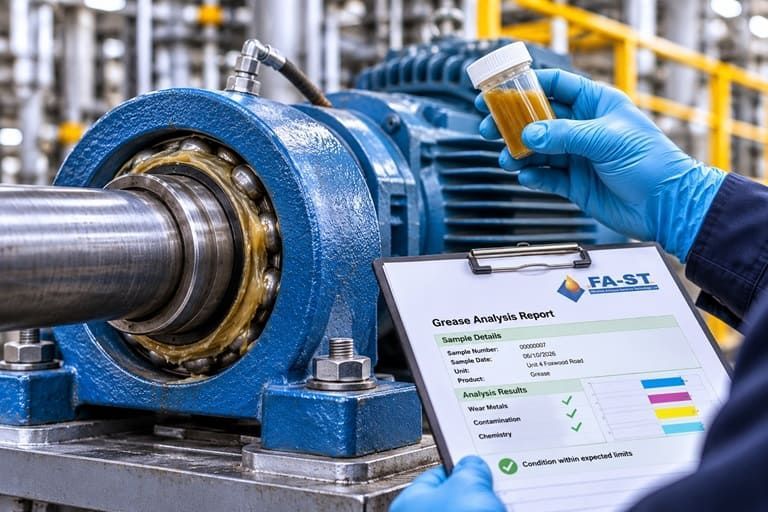
FA-ST Filtration Analysis Services Technology Ltd - helping you make informed decisions about industrial lubricant condition.