FA-ST OIL ANALYSIS SERVICES
Varnish Potential Analysis
ASTM D7843 Membrane Patch Colorimetry (MPC) Testing
Identify varnish potential in turbine and hydraulic oils with specialist laboratory analysis. Our testing helps you assess the condition of your oil, understand potential varnish-related risks and make more informed maintenance decisions.
- ASTM D7843 testing
- ΔE varnish potential score
- Laboratory report and interpretation
Submit a 100ml oil sample for laboratory analysis
WHY VARNISH TESTING MATTERS
Understand Your Oil's Varnish Potential
Varnish-related deposits can affect the performance of sensitive industrial equipment. Varnish Potential Analysis helps assess the potential for varnish formation in your oil, supporting informed decisions about oil condition and maintenance.
Identify Varnish Potential
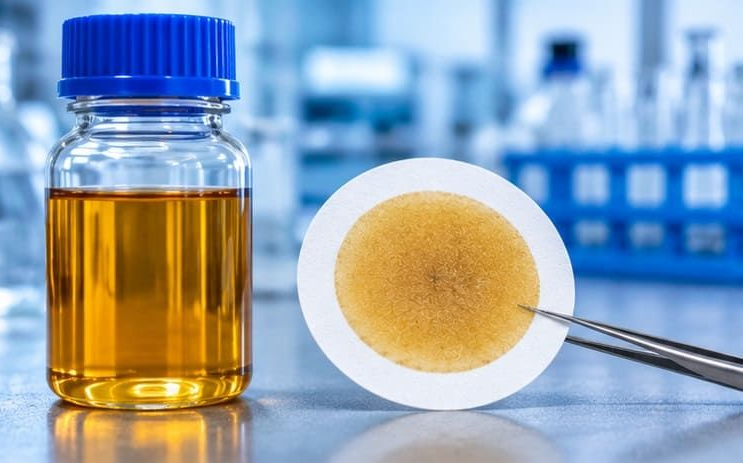
MPC testing assesses varnish potential by measuring the colour change of a membrane patch after oil filtration. The resulting ΔE score provides an indication of the material captured during the test.

Support Equipment Reliability
Varnish deposits may contribute to problems in sensitive components such as control valves and bearings. Testing can help identify potential concerns as part of an equipment condition monitoring programme.
Monitor Oil Condition
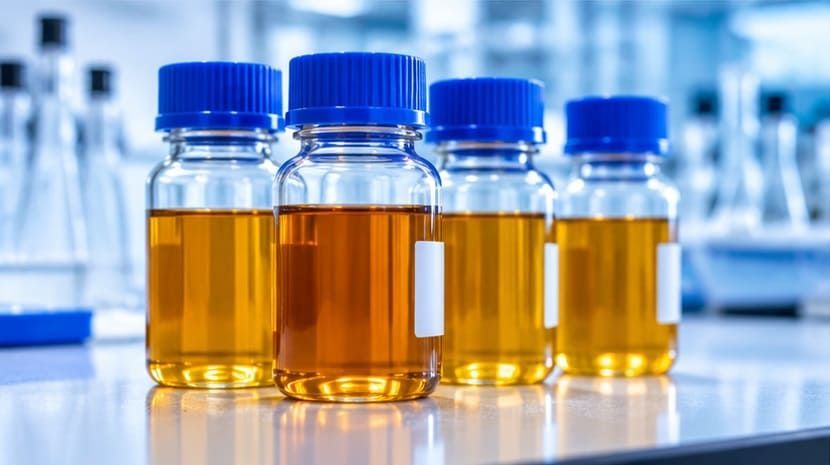
Repeat varnish potential testing can help track changes in oil condition over time. Comparing results with previous samples provides useful context when monitoring oil degradation and varnish potential.

Make Informed Decisions
Understanding varnish potential can help inform decisions about further investigation, oil management and maintenance. Results should be considered alongside equipment history and other oil analysis findings.
Find out how FA-ST's ASTM D7843 testing can help you assess varnish potential in your oil.
UNDERSTANDING VARNISH
What Is Varnish and Why Does It Matter?
Varnish is a term used to describe deposits that can form in lubricating and insulating oils as the oil degrades. These deposits are commonly associated with oil oxidation and the formation of degradation products that may become insoluble.
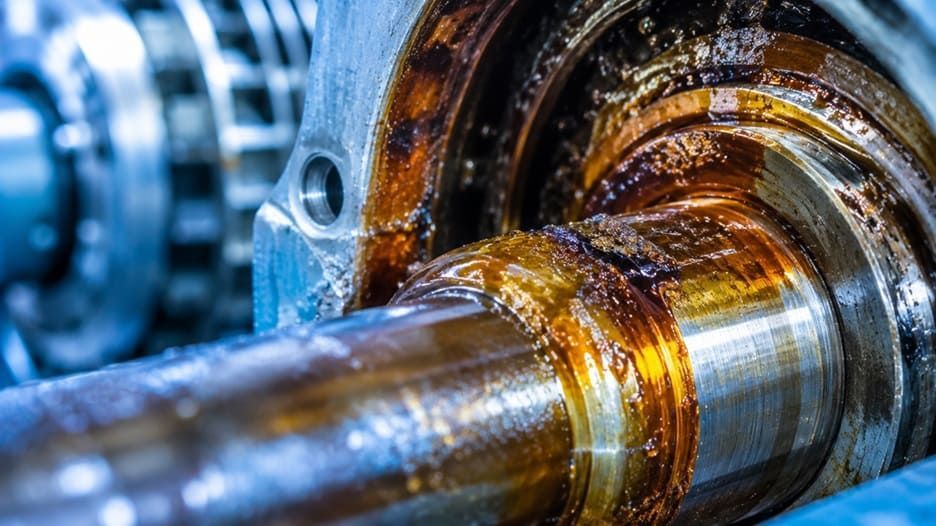
In industrial systems, varnish-related material can accumulate on internal surfaces and components. This may affect the operation of sensitive equipment, particularly where close clearances and precise movement are important.
Varnish Potential Analysis uses Membrane Patch Colorimetry (MPC) to assess material captured from an oil sample. It provides an indication of the oil's varnish potential and helps build a clearer picture of its condition.
Changes in Oil Condition
Oil degradation can produce by-products that contribute to varnish formation and may change the condition of the oil.
Deposits on Components
Varnish-related material may accumulate on internal surfaces, including valves and other precision components.
Potential Operational Issues
Deposits can contribute to sticking valves, restricted movement and other equipment performance concerns.
Understand the potential before problems develop
MPC testing provides an additional measure of oil condition that can be considered alongside other oil analysis results and equipment operating history.
THE LABORATORY TESTING PROCESS
How Does ASTM D7843 MPC Testing Work?
Membrane Patch Colorimetry (MPC) is a laboratory method used to assess varnish potential in oil. The process captures insoluble material on a membrane patch and measures its colour response to produce a ΔE result.
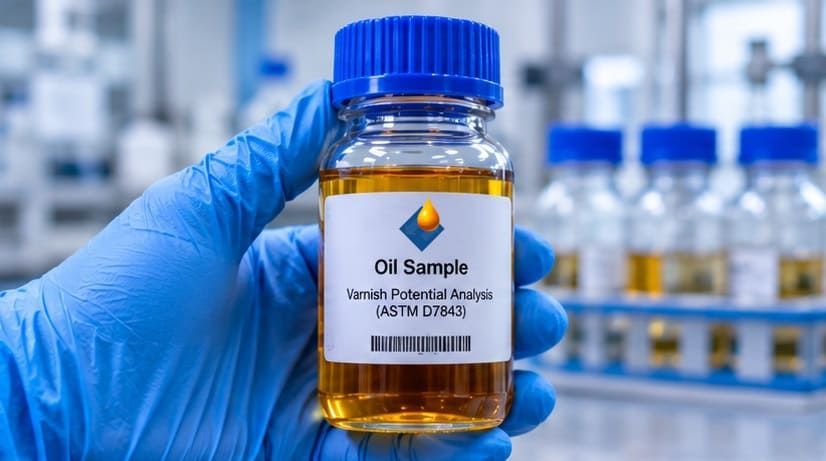
Oil Sample Preparation
A representative oil sample is collected from the equipment and prepared for laboratory analysis. FA-ST requests a 100 ml sample for its varnish potential test.

Membrane Filtration
The oil sample is processed through a fine membrane patch. Insoluble material is captured on the membrane, creating a patch that can be examined and measured.
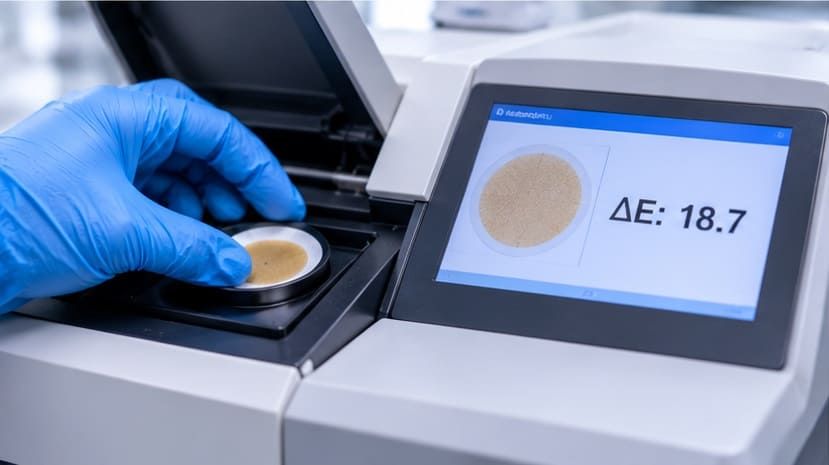
Patch Colour Measurement
The colour response of the membrane patch is measured to calculate a ΔE value. This provides an indication of the amount and colour intensity of material captured.
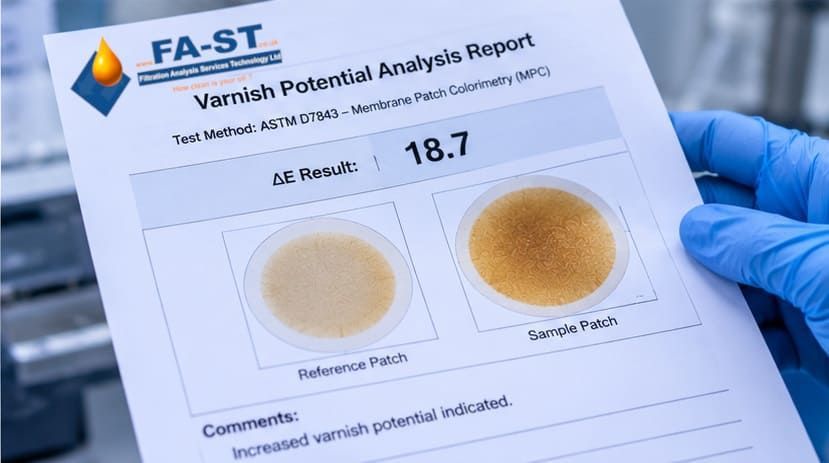
Result and Interpretation
The ΔE result is reported to help assess varnish potential. Reviewing the finding alongside previous results and equipment operating conditions helps inform appropriate follow-up decisions.
ASTM D7843 Testing Method
FA-ST's varnish potential analysis uses Membrane Patch Colorimetry (MPC), referenced to ASTM D7843. The method measures insoluble colour bodies captured on a membrane patch from an in-service oil sample.
Find out what your oil sample can reveal about varnish potential.
UNDERSTANDING YOUR RESULTS
Understanding Your Varnish Potential Results
Your FA-ST report will include a ΔE varnish potential score, along with an image of the membrane patch used during testing. Together, these provide useful information about insoluble degradation material in your oil sample.
A higher ΔE value generally indicates greater varnish potential. The result can help you assess oil condition and decide whether further investigation or monitoring may be appropriate.
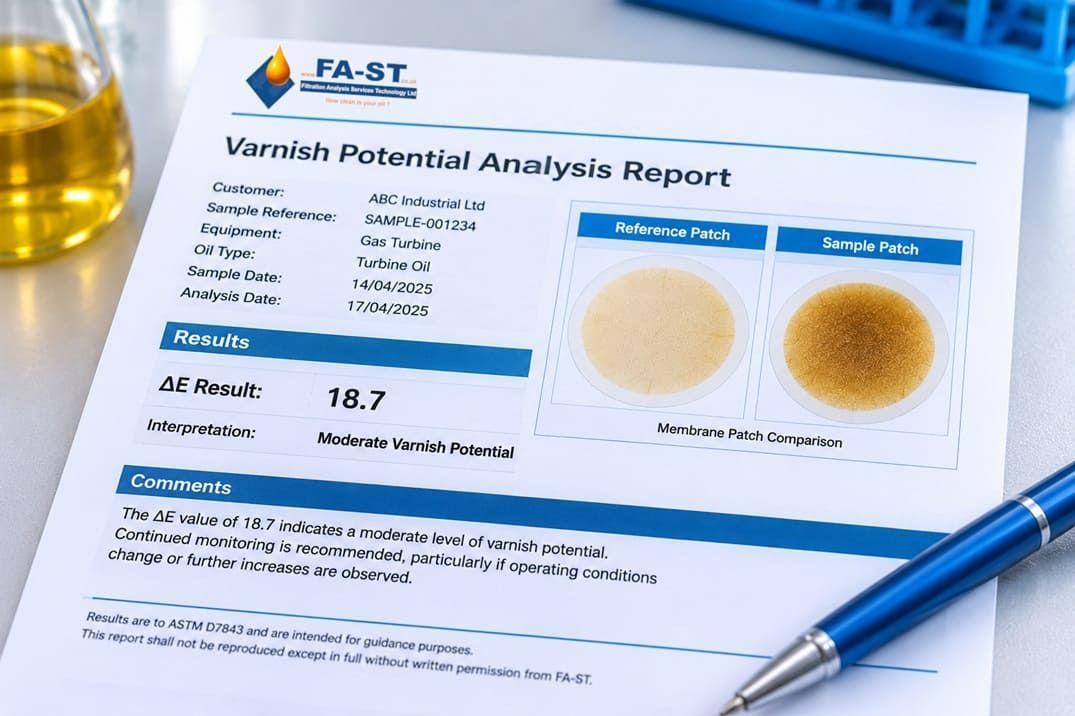
What does the ΔE value tell you?
What does the ΔE value tell you?
The ΔE value represents the colour difference between a clean reference membrane patch and the patch produced from the oil sample after filtration.
A greater colour difference indicates that more coloured insoluble material has been captured from the sample. This suggests increased varnish potential, but does not by itself confirm that harmful deposits are present inside the equipment.
↗
Higher ΔE
Generally indicates more coloured insoluble material captured on the membrane patch.
◉
Membrane patch image
Provides a visual record of the material captured during the test.
✓
Expert interpretation
Helps put the result into context and consider appropriate next steps.
VISUAL REFERENCE
Comparing membrane patch appearance
The appearance of a membrane patch can help illustrate the material captured from an oil sample. The examples below are illustrative only, not diagnostic score categories.
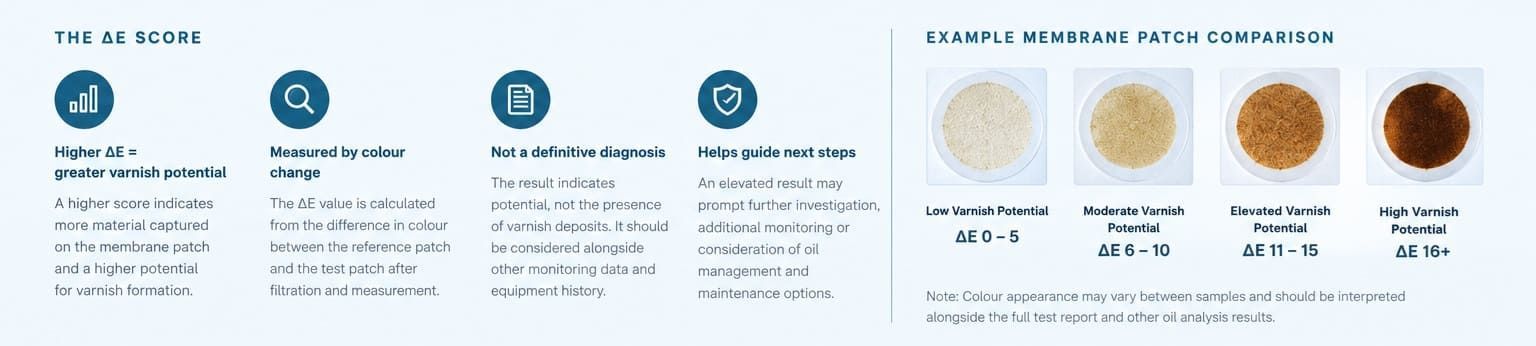
Why results need context
A varnish potential result should not be considered in isolation. Equipment type, operating conditions, oil history, previous analysis results and other condition-monitoring information can all help determine what the result means for your system.
Repeating the analysis over time can also help identify changes in oil condition and support a planned monitoring programme.
TAKE THE NEXT STEP
Get a clearer picture of your oil’s condition
Order Varnish Potential Analysis from FA-ST and receive laboratory testing to ASTM D7843, with a report to help you understand your oil condition.
WHO SHOULD USE VARNISH POTENTIAL ANALYSIS?
Protect Critical Equipment with Better Oil Condition Monitoring
Varnish Potential Analysis is particularly useful for applications where high-performance oils are used and oil degradation can affect equipment reliability. Testing can help identify increased varnish potential and support informed maintenance decisions.
- Power Generation Turbines
- Industrial turbine systems
- Hydraulic system using suitable oils


Power Generation
Monitor varnish potential in turbine oils used in power generation and energy facilities.

Industrial Turbines
Assess oil condition in industrial applications where deposits may affect equipment performance

Hydraulic Systems
Assess varnish potential in suitable hydraulic oils as part of an oil condition monitoring programme.
Important sample suitability information
This test is not suitable for turbine oils containing dyes or leak-detection fluid. If you are unsure whether your oil is suitable, please contact FA-ST before sending your sample.
Test your oil for varnish potential
Order your ASTM D7843 MPC analysis from FA-ST
WHY CHOOSE FA-ST?
Expert Oil Analysis You Can Rely On
Understanding varnish potential is an important part of monitoring oil condition in critical equipment. FA-ST provides specialist laboratory analysis to help you assess your oil, understand your results and make informed maintenance decisions.
- ASTM D7843 MPC testing
- Detailed laboratory reporting
- Expert support with understanding your results

Recognised Test Method
Varnish Potential Analysis using the ASTM D7843 Membrane Patch Colorimetry (MPC) method.
Clear Reporting
Receive a report including your ΔE result and membrane patch image to help you understand the test outcome.
Expert Support
Get help understanding your results and considering what they may mean for your equipment.
Ongoing Monitoring
Use repeat testing to track changes in oil condition and support a planned maintenance programme.
Partner with FA-ST for your oil analysis needs
Get valuable insight into your oil condition with Varnish Potential Analysis from FA-ST.
SUBMITTING YOUR SAMPLE
How to Submit Your Oil Sample
Submitting an oil sample for varnish potential analysis is straightforward. Follow these steps to help ensure your sample reaches the laboratory ready for testing.
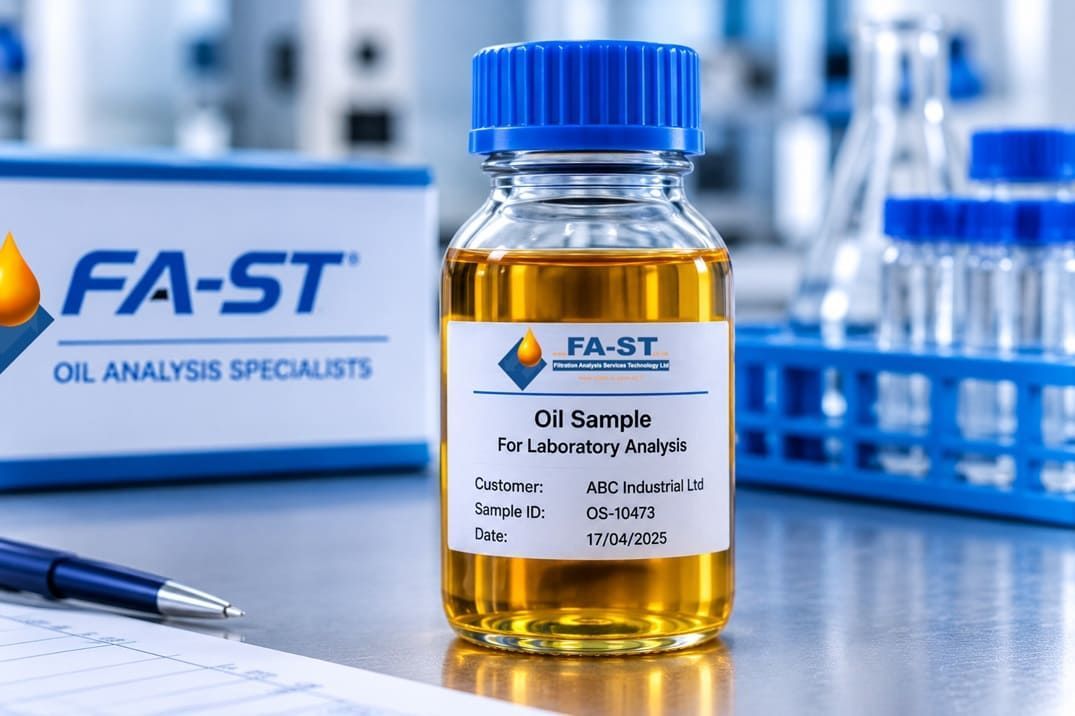
Collect a Sample
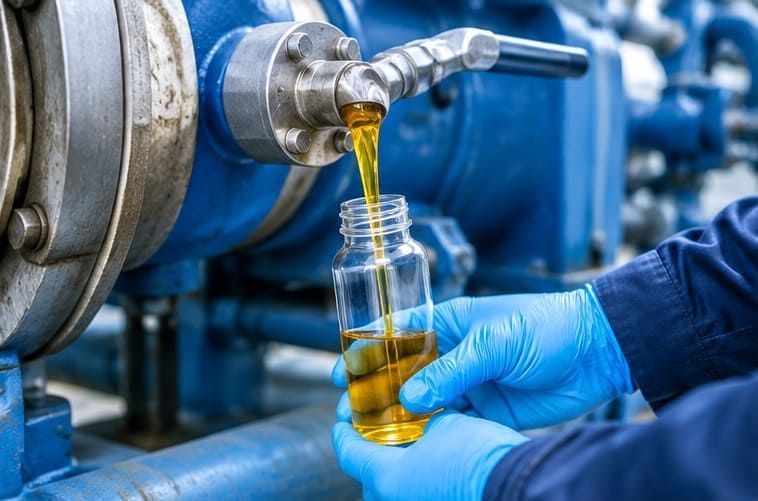
Take your sample from a representative point in the equipment or oil system, following suitable sampling procedures.
Use a Suitable Container

Use a clean, dry sample container. FA-ST require a 100 ml oil sample for this analysis.
Label Your Sample
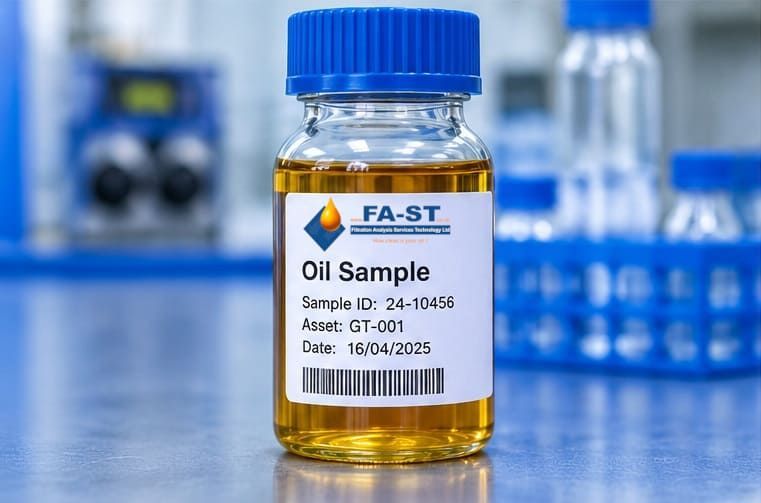
Clearly identify your sample and provide the relevant equipment or asset information with your submission.
Send Your Sample to FA-ST
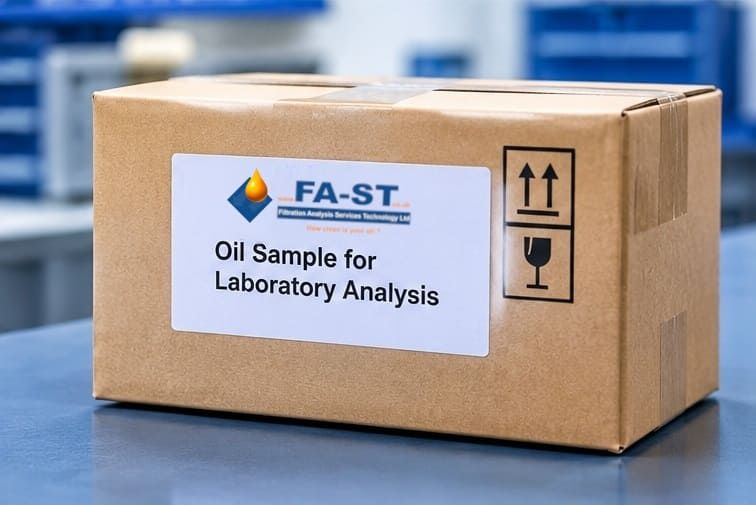
Package your sample securely and send it to the FA-ST laboratory, following the submission instructions.
Important Sample Information
A 100 ml oil sample is required for Varnish Potential Analysis. Ensure the sample is representative and that the container is clean and suitable for oil sampling.
This test is not suitable for turbine oils containing dyes or leak-detection fluid. Please contact FA-ST if you are unsure about sample suitability.
Ready to Order?
Arrange your Varnish Potential Analysis with
FA-ST.
NEED MORE INFORMATION?
Varnish Potential Analysis FAQs
Find answers to common questions about our varnish potential testing service, how the analysis works and what your results mean.
What is Varnish Potential Analysis?
Varnish Potential Analysis is a laboratory test used to assess insoluble degradation material in an oil sample. It helps indicate the potential for varnish-related deposits to develop within equipment and oil systems.
What is ASTM D7843 MPC testing?
ASTM D7843 is the standard test method for measuring insoluble contaminants in in-service turbine oils using membrane patch colorimetry (MPC).
Material captured on a membrane patch is assessed using colour measurement to produce a ΔE result.
What does the ΔE result mean?
The ΔE value represents the colour difference between a clean reference patch and the membrane patch produced from the oil sample.
A higher ΔE value generally indicates more coloured insoluble material has been captured and therefore greater varnish potential. Results should be interpreted alongside equipment history and other oil analysis data.
Does a high MPC result confirm varnish deposits?
No. An elevated MPC result indicates increased varnish potential, but it does not independently confirm that deposits are present on internal equipment surfaces.
The result should be considered alongside operating conditions, equipment history and other condition-monitoring information.
How much oil is required for the test?
FA-ST require a 100 ml oil sample for Varnish Potential Analysis. Use a clean, suitable sample container and collect a representative sample from your equipment.
Which oils can be tested?
The analysis is intended for suitable in-service turbine and other compatible oil applications. Suitability can depend on the oil formulation and additives.
The test is not suitable for turbine oils containing dyes or leak-detection fluid. Contact FA-ST if you are unsure whether your sample is suitable.
How long does the analysis take?
The product information currently lists a turnaround time of approximately 6–8 working days. Please check the product listing or contact FA-ST for the latest turnaround information.
How often should I carry out varnish testing?
Testing frequency depends on equipment criticality, operating conditions, oil age and previous analysis results. Repeat testing can help identify changes in oil condition over time.
FA-ST can help you consider a suitable monitoring frequency for your application.
Can I use MPC testing alongside other oil analysis?
Yes. MPC testing is most useful when considered as part of a wider oil condition monitoring programme. Reviewing it alongside other oil analysis results can provide a more complete picture of oil condition.
Still Have Questions?
Not sure whether Varnish Potential Analysis is suitable for your oil or equipment? Contact FA-ST for assistance before submitting your sample.
Ready to assess your oil's varnish potential?
Order ASTM D7843 MPC testing from FA-ST today.
TAKE CONTROL OF YOUR OIL CONDITION
Understand Your Oil's Varnish Potential with FA-ST
Varnish-related deposits can present challenges for critical equipment and oil systems. FA-ST Varnish Potential Analysis provides valuable insight into insoluble degradation material in your oil, helping you make informed maintenance decisions.
- ASTM D7843 MPC testing
-
ΔE result and membrane patch image - Laboratory reporting from FA-ST
Not sure whether your oil is suitable for testing? Contact FA-ST before submitting your sample.